Archive · 19 Sep 2026
Rare Moon Crater Discovered in NASA Scan After 2024 Impact
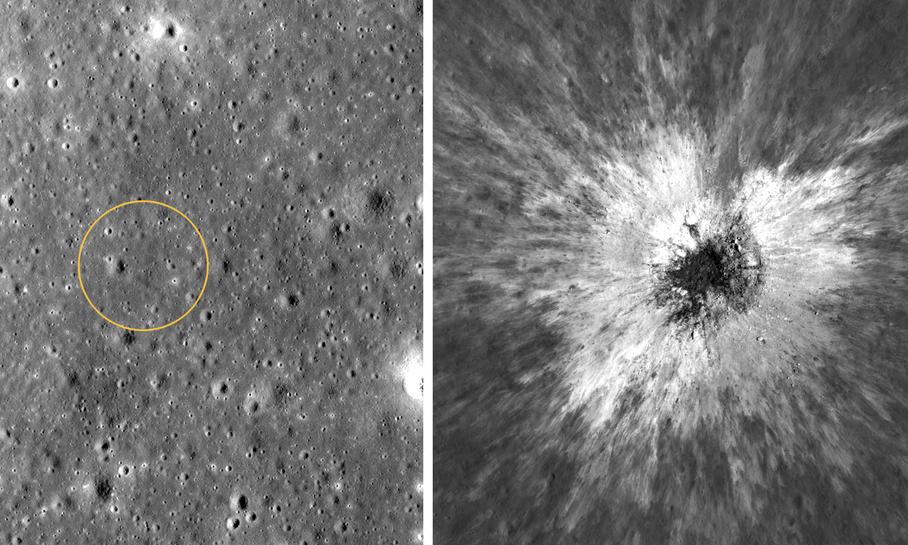
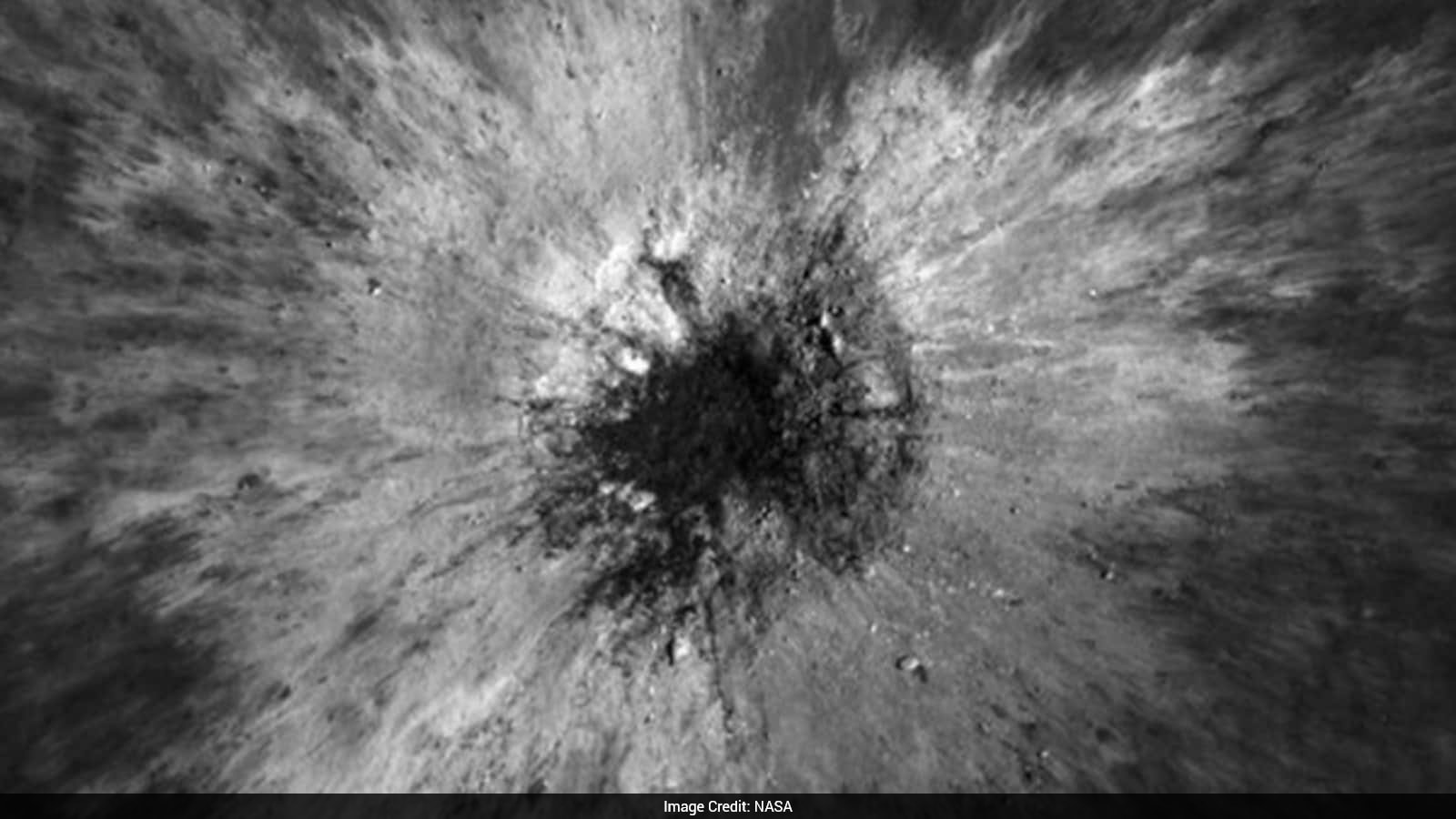
Robert Wagner was checking pictures of the Moon when he saw a strange bright spot with a dark ring around it.
The marks suggested that something had recently hit the lunar surface.
He compared newer pictures with older ones to investigate.
Scientists concluded that a comet or asteroid had made a new crater.
The crater is called McGetchin, after lunar scientist Tom McGetchin.
It formed sometime between April 11 and May 22, 2024.
It is about 730 feet wide, roughly the length of two football fields.
The space rock may have been as tall as a three- to six-story building.
Scientists say impacts this large happen on the Moon only about once every century or longer.

Robert Wagner noticed a bright spot surrounded by a dark halo in Lunar Reconnaissance Orbiter imagery.
The crater, named McGetchin, formed on the Moon’s eastern edge between April 11 and May 22, 2024.
Scientists estimate that a comet or asteroid three to six stories tall created the crater.
McGetchin measures about 728 to 730 feet, or 222 meters, across.
Published findings describe it as the largest newly formed crater discovered in the solar system and an event occurring about once a century or longer.
- Who
- Robert Wagner, an image-processing specialist from Intuitive Machines working with NASA’s Lunar Reconnaissance Orbiter Camera data, identified the crater.
- What
- Scientists identified McGetchin as the largest newly formed crater discovered in the solar system.
- When
- The crater formed between April 11 and May 22, 2024; the findings were published in Science Advances.
- Where
- On the eastern edge of the Moon.
- Why
- A comet or asteroid estimated to be three to six stories tall struck the lunar surface.
- Crater name
- McGetchin, named after lunar scientist Tom McGetchin
- Size
- About 728 to 730 feet wide, or 222 meters
- Formation window
- Between April 11 and May 22, 2024
- Estimated impactor
- A comet or asteroid the size of a three- to six-story building
- Estimated frequency
- An impact of this magnitude occurs about once a century or longer
- Detection system
- NASA’s Lunar Reconnaissance Orbiter and Lunar Reconnaissance Orbiter Camera
- Publication
- Science Advances