Archive · 6 Nov 2025
India's Rapeseed Planting Surges to Record High Amid Chinese Demand
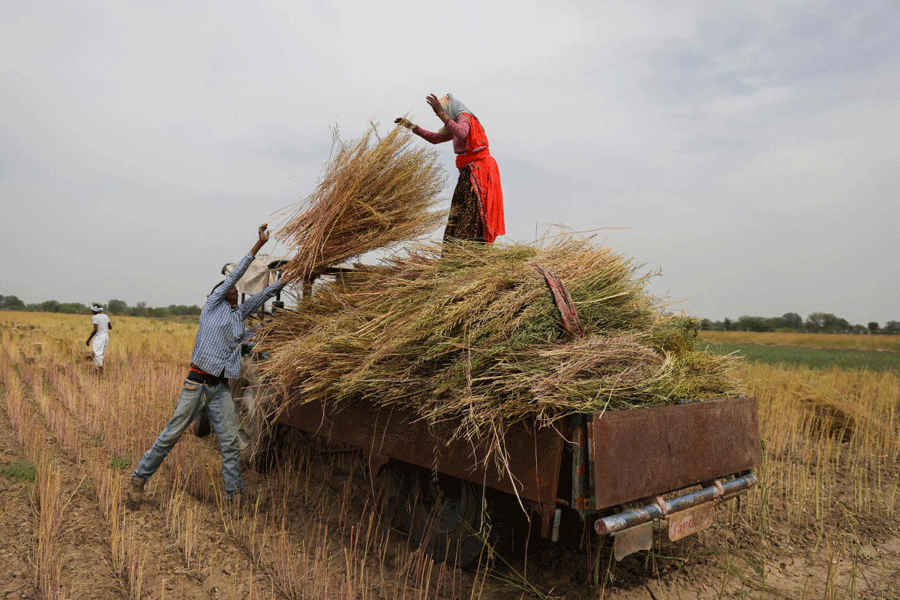
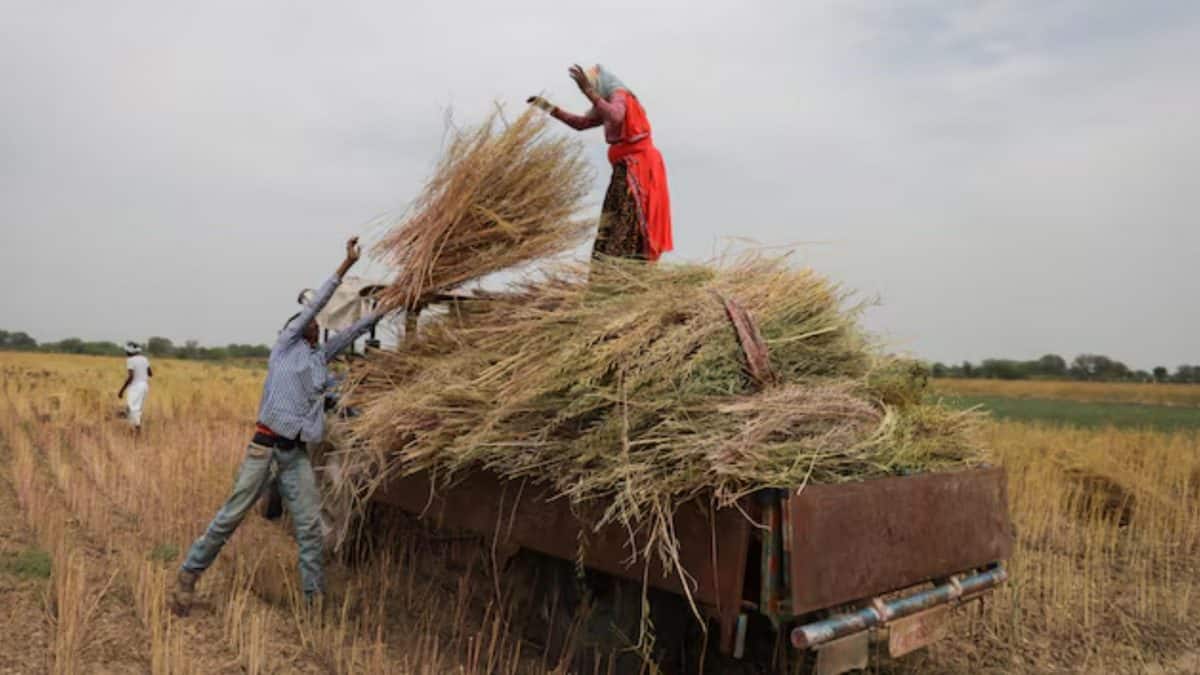
Indian farmers are planting more rapeseed this year than ever before!
This is happening because they made good money from it last year, and the weather has been great for growing it.
Also, China is buying a lot more of the meal that comes from rapeseed.
Rapeseed is a type of oilseed that farmers plant in the cooler months.
More rapeseed grown in India means they might not need to buy as much cooking oil from other countries, which can be expensive.
This is good news for Indian farmers and could help lower the country's spending on imported cooking oils.

India's rapeseed planting is expected to reach a record high due to strong demand from China and favorable weather.
Farmers are planting more rapeseed this year, with a projected 7-8% increase in area, and current plantings are already up 13.5% year-on-year.
Record Chinese purchases of rapeseed meal, particularly after tariffs on Canadian product, are a major driver of demand.
The increased rapeseed production is anticipated to help India reduce its costly imports of edible oils.
Rapeseed prices have remained above the government's minimum support price, which has also been increased for the new season.
- Who
- Indian farmers, China, traders, Solvent Extractors’ Association of India
- What
- Record high rapeseed planting driven by strong Chinese demand for rapeseed meal and favorable weather conditions.
- When
- Sowing occurs in October and November. Record Chinese imports of rapeseed meal in the first six months of the current fiscal year.
- Where
- India, with significant exports to China.
- Why
- Farmers are planting more due to strong profits from last year's crop, record Chinese demand for rapeseed meal (influenced by tariffs on Canadian product), and favorable soil moisture from above-average rainfall.
Increased Domestic Production Benefits
Continued Reliance on Imports
Impact on Edible Oil Imports
Increased Domestic Production Benefits
Surging rapeseed production is expected to help India limit costly overseas purchases of edible oils, as rapeseed has a high oil content.
Continued Reliance on Imports
Despite increased domestic production, India still meets nearly a third of its cooking oil demand through imports of palm oil, soyoil, and sunflower oil.
- Rapeseed Planting Area Increase
- Expected 7-8% increase this year; 4.17 million hectares planted so far (13.5% increase year-on-year)
- Last Year's Planting
- 8.93 million hectares, higher than the five-year average of 7.9 million hectares
- Key Export Driver
- Record Chinese buying of rapeseed meal
- Chinese Imports of Rapeseed Meal
- Record 488,168 metric tons in first six months of current fiscal year, compared to 60,759 tons for the entire 2024/25 fiscal year
- Minimum Support Price (MSP)
- Increased by 4.2% to 6,200 rupees per 100 kg for the new season's crop (previous year's MSP was 5,950 rupees)
- India's Edible Oil Imports
- Meets nearly a third of demand through imports of palm oil, soyoil, and sunflower oil