9 months ago
India Mandates SIM Linking for Messaging Apps
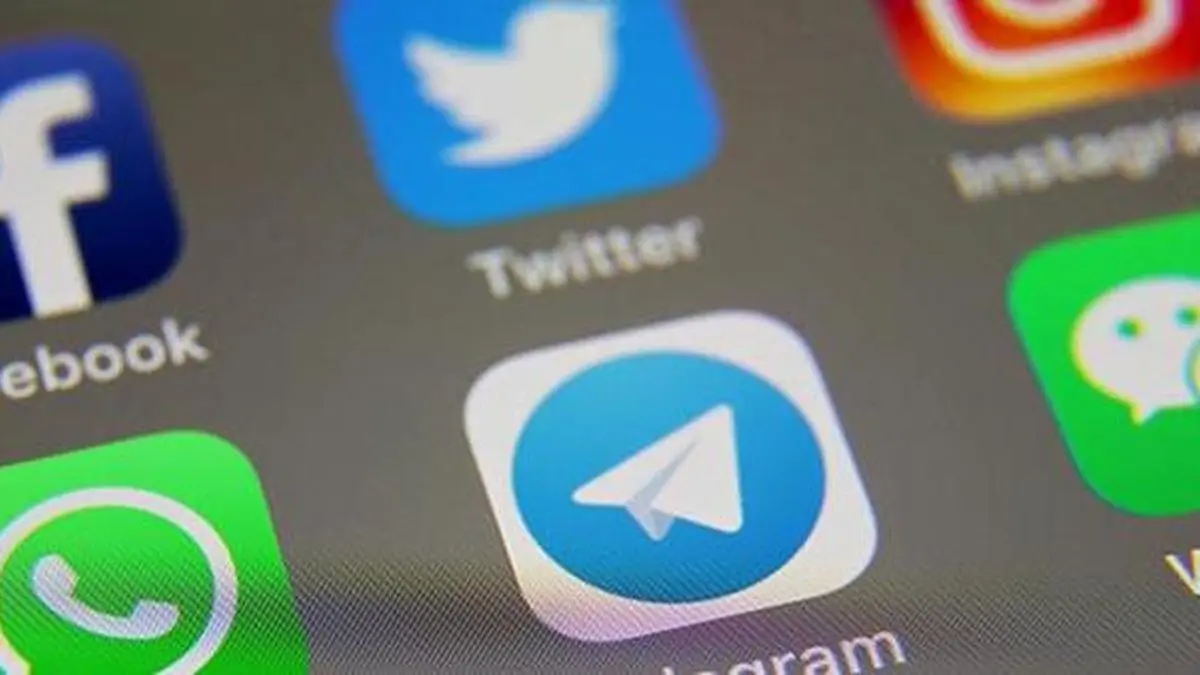
The Indian government has ordered messaging apps like WhatsApp, Telegram, and Signal to link their services to a SIM card.
This means you can only use these apps if they are connected to a SIM card in your device.
The government wants to do this to stop people from using these apps to commit fraud or hack into accounts.
The apps also need to make sure that their web versions log out every six hours and require a QR code to log back in.
The companies have 90 days to follow these rules and must report their compliance to the government within 120 days.
If they don't follow these rules, they could face legal action.
Some people think this will make it harder for users who travel or use the apps for work, but the government believes it will make the apps safer.

Messaging apps must link services to a SIM card to prevent fraud and hijacking.
Web versions of apps must log out periodically and require re-link via QR code every 6 hours.
Companies have 90 days to comply with the new rules.
Compliance reports must be submitted to the DoT within 120 days.
Non-compliance may result in action under the Telecommunications Act, 2023, and other applicable laws.
- Who
- Department of Telecommunications (DoT) and messaging app providers
- What
- Mandatory SIM-linking for messaging apps to prevent fraud
- Where
- India
- When
- Order issued on November 28, 2025
- Why
- To prevent misuse of telecommunication identifiers and ensure telecom cybersecurity
Key facts
- Affected Apps
- WhatsApp, Telegram, Signal, Arattai, Snapchat, Sharechat, Jiochat, Josh
- Purpose
- Prevent fraud and hijacking of messaging accounts
- Compliance Deadline
- 90 days from issuance of instructions
- Reporting Deadline
- 120 days from issuance of directions
- Penalty for Non-Compliance
- Action under the Telecommunications Act, 2023, and other applicable laws
- Context
- Telecommunication Cybersecurity Amendment Rules, 2025
- Web Version Requirement
- Periodic logout with re-link option via QR code every 6 hours
Timeline
India bolsters solar security, SIMs for inverters after 'Sindoor' alert.
Then, SIM card mandate expands to messaging apps to fight fraud.
PM Surya Ghar's solar security drive triggers SIM link rule for apps.
Solar SIMs prompt messaging app security boost.
India enforces SIM linking for messaging apps to combat hacking.
Quotes

Department of Telecommunications (DoT)
The Department of Telecommunications (DoT) is the executive arm of the Ministry of Communications responsible for telecommunication and postal services in India.
“From 90 days of issue of these instructions, ensure that the web service instance of the Mobile App, if provided, shall be logged out periodically (not later than 6 hours) and allow the facility to the user to re-link the device using QR code”
 deccanchronicle.com
“is posing a challenge to telecom cyber security as it is being misused from outside the country to commit cyber-frauds.”
deccanchronicle.com
Sources

India announces SIM-binding mandate for WhatsApp, Telegram, Signal and other apps to curb fraud

Messaging Apps like WhatsApp to work only with active SIM; DoT tightens cyber norms

Govt makes active SIM link mandatory for messaging apps

Why a new govt directive means your WhatsApp Web could soon log you out every 6 hours

WhatsApp, Telegram, Signal Won’t Function Without Active SIM Card Soon — What DoT New Directives Say

SIM binding mandatory for online messaging platforms: Dept of Telecom
Govt mandates 90 day deadline for WhatsApp, Signal others to enforce SIM device binding
SIM-ple Rule, Big Impact: Govt Orders WhatsApp, Telegram, Signal To Stay Tied To Active Numbers
DoT makes SIM-linking mandatory for messaging apps
No WhatsApp or Telegram Without SIM Card, Says DoT

Indian government to now force WhatsApp Web re-login every 6 hours: Check what new SIM binding mandate says

Why India’s telecom department has mandated ‘SIM binding’ for WhatsApp, some other app services

You may soon need to re-login to WhatsApp Web every 6 hours under new govt directive: here's what to know

SIM-binding norms to complicate communication for millions of Indian travellers in 2026