

Archive · 28 Aug 2026
Madhya Pradesh Updates EOW Law Amid Questions Over Performance
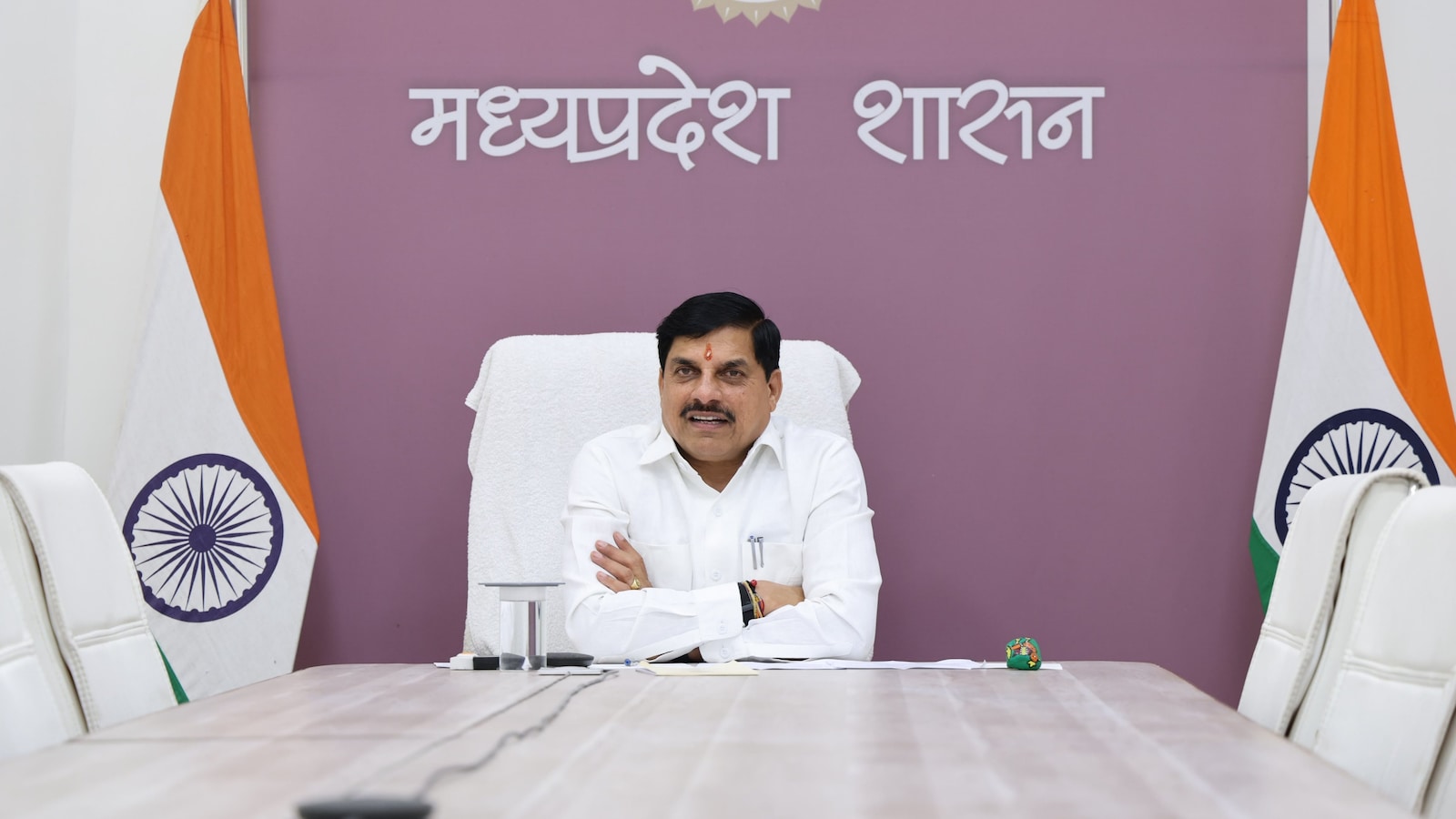
Madhya Pradesh has changed the legal rules used by its Economic Offences Wing, or EOW.
The change replaces references to an older criminal law with references to the newer Bharatiya Nyaya Sanhita.
This update was approved by the state Cabinet on August 25.
However, lawmakers are also worried about how quickly the EOW handles complaints.
From 2020 to June 2026, people submitted 23,261 complaints, but only 258 became criminal cases.
Charge sheets were filed in only nine of those cases.
Some cases that reached court ended in convictions, but they often took many years.
Critics want the legal update to be followed by faster investigations and more cases reaching court.

The Mohan Yadav Cabinet approved updating the EOW’s 1977 notification to reference the Bharatiya Nyaya Sanhita instead of the Indian Penal Code.
Between 2020 and June 2026, the Economic Offences Wing received 23,261 complaints, but only 258 criminal cases were registered.
Charge sheets were filed in just nine cases during that period, according to figures presented in the Madhya Pradesh Assembly.
Courts delivered judgments in 70 EOW cases between 2020 and 2025, with 40 convictions and 30 acquittals.
Those 70 cases took an average of 13 years and seven months from registration to final judgment.
- Who
- The Madhya Pradesh government, its Economic Offences Wing, and legislators including Congress MLAs Pratap Grewal and Pankaj Upadhyay.
- What
- The Cabinet approved an amendment aligning the EOW’s legal powers with the Bharatiya Nyaya Sanhita, amid concerns about complaint disposal, investigations, and delays.
- When
- The amendment was approved on August 25; the cited complaint figures cover 2020 to June 2026, while court judgments cited cover 2020 to 2025.
- Where
- Madhya Pradesh, including the state Assembly and its Economic Offences Wing.
- Why
- To replace references to the Indian Penal Code in the EOW’s 1977 notification and align it with the new criminal-law framework.
Critics and Opposition
Government and Legal Update
EOW performance
Critics and Opposition
Congress legislators said the large number of complaints but small number of criminal cases and charge sheets raises questions about the EOW’s investigation and disposal pace.
Government and Legal Update
The Cabinet approved a legal amendment intended to bring the EOW’s powers into line with the new criminal-law framework; the decision itself was described as a technical transition from the Indian Penal Code to the Bharatiya Nyaya Sanhita.
Independent scrutiny
Critics and Opposition
Pankaj Upadhyay questioned whether forwarding a complaint to the Urban Development and Housing Department weakened independent scrutiny, particularly because the complainant said he had already approached that department.
Government and Legal Update
The complaint was sent to the Urban Development and Housing Department for examination, as reflected in the Assembly response.
Conviction record versus delays
Critics and Opposition
The conviction figures do not resolve concerns about delay because the 70 cases took an average of 13 years and seven months to reach judgment.
Government and Legal Update
Among cases that received judgments, 40 ended in convictions and 30 in acquittals, producing a conviction rate of about 57 percent.
- Cabinet decision
- Approved on August 25 by the Mohan Yadav Cabinet.
- Complaints received
- 23,261 complaints between 2020 and June 2026.
- Criminal cases registered
- 258 cases based on those complaints.
- Charge sheets filed
- Nine charge sheets were filed before courts during the cited period.
- Court judgments
- Judgments were delivered in 70 EOW cases between 2020 and 2025.
- Convictions and acquittals
- Forty cases ended in convictions and 30 in acquittals.
- Average case duration
- The 70 decided cases took an average of 13 years and seven months from registration to verdict.