

Archive · 21 Jan 2026
Kashmir Mosque Profiling Sparks Political Outrage
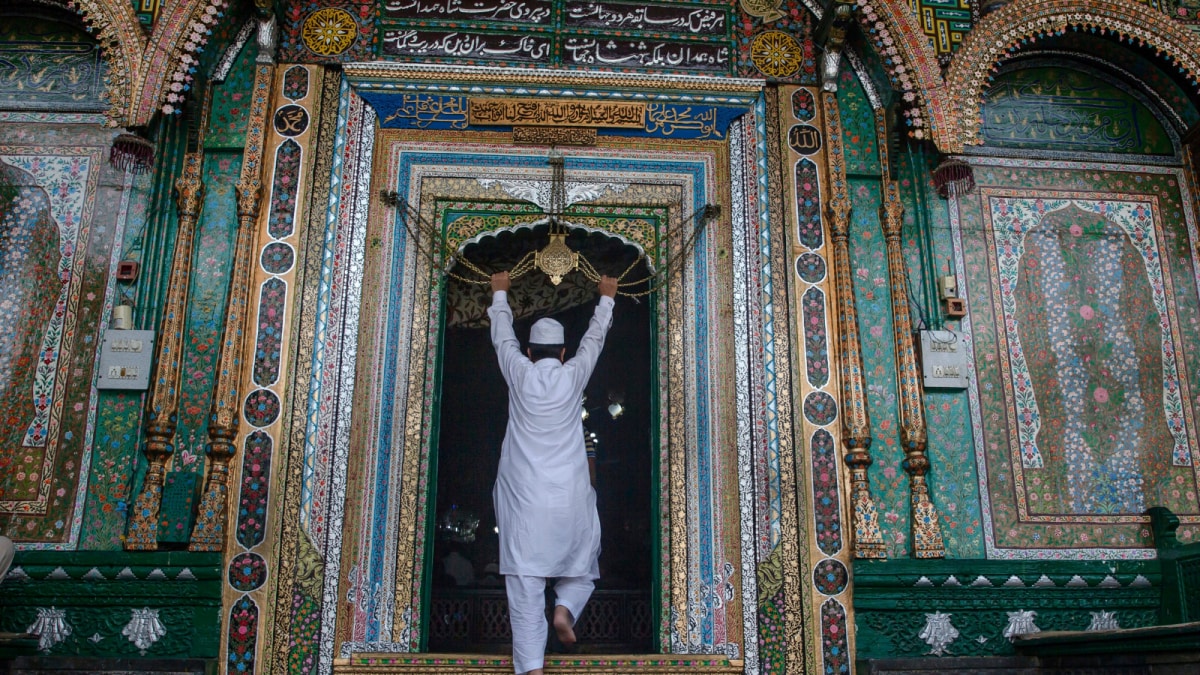
The Indian administration in Kashmir has started collecting details about mosques, madrassas, and imams.
Some political leaders say this is unfair and hurts religious freedom.
But the author says this is normal in many Muslim countries and helps keep religious places safe from bad influences.
The leaders are making a big deal out of it for political reasons, not because it's really a problem.
The author thinks this kind of oversight is good for everyone and keeps religion pure.

The Indian administration in Kashmir is compiling details of mosques, madrassas, and imams to ensure transparency and accountability.
Political leaders in Kashmir, including Mehbooba Mufti and Mirwaiz Umar, have criticized the move, calling it an assault on religious freedom.
Similar oversight of religious institutions is common in many Muslim-majority countries like Saudi Arabia, UAE, Turkey, and Indonesia.
The author argues that this policy is not persecution but responsible governance to prevent radicalization and protect religious spaces.
The controversy highlights the political sensitivity and mistrust in Kashmir, where administrative actions are often seen as coercive.
- Who
- Political leaders in Kashmir and the Indian administration
- What
- Administrative exercise to profile mosques, madrassas, and imams in Kashmir
- When
- January 21, 2026
- Where
- Jammu and Kashmir, India
- Why
- To ensure transparency, accountability, and prevent radicalization
- Location
- Jammu and Kashmir, India
- Date
- January 21, 2026
- Key Figures
- Mehbooba Mufti, Sajad Lone, Aga Ruhullah Mehdi, Mirwaiz Umar, Iltija Mufti, Mudasir Dar
- Policy
- Administrative exercise to compile institutional details of mosques, madrassas, and imams
- Global Precedents
- Similar oversight in Saudi Arabia, UAE, Turkey, Indonesia
- Author's View
- Policy is responsible governance, not persecution