9 months ago
India Faces 'Pollution Colonialism' from Toxic Industries
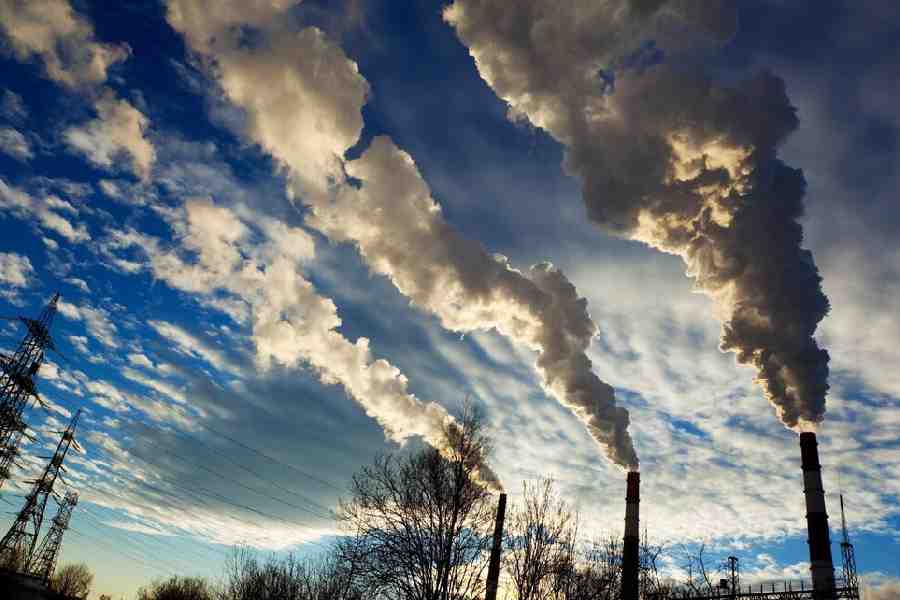
Some countries in Europe have strict rules to protect the environment, so they are closing down factories that cause a lot of pollution.
Instead of properly disposing of these factories, some companies are selling them to India, where the rules are not as strict.
This is called 'pollution colonialism' because it means bringing harmful industries to a different country.
In India, these factories can cause a lot of damage, like polluting water and soil, and making people sick.
Some people are worried because the government is not doing enough to stop this from happening.
They say that the government should make stronger rules and enforce them better to protect the environment and people's health.

Foreign industries are transferring decommissioned polluting plants to India due to stricter regulations in Europe.
Examples include an Italian plant in Koyna and Dow Chemical's polymer trains in Gujarat.
Indian industries also have a poor record of environmental violations, such as Vedanta in Odisha.
Weak regulatory mechanisms and enforcement in India enable this 'pollution colonialism'.
The consequences include contaminated water, food, soil, and health issues like cancer hubs near polluting industries.
- Who
- India, foreign industries, environmentalists, and experts
- What
- Transfer of toxic industries from Europe to India
- Where
- India, particularly Koyna and Gujarat
- When
- Ongoing issue with recent examples
- Why
- Stricter regulations in Europe, economic incentives, and weak enforcement in India
Key facts
- Issue
- Pollution colonialism
- Examples
- Italian plant in Koyna, Dow Chemical in Gujarat
- Impact
- Contaminated water, food, soil, and health issues
- Regulatory Status
- Weak enforcement and transparency
- Economic Factors
- Cheap land and labor encourage toxic industries