

Archive · 27 Jul 2026
India's Private Space Sector Grows
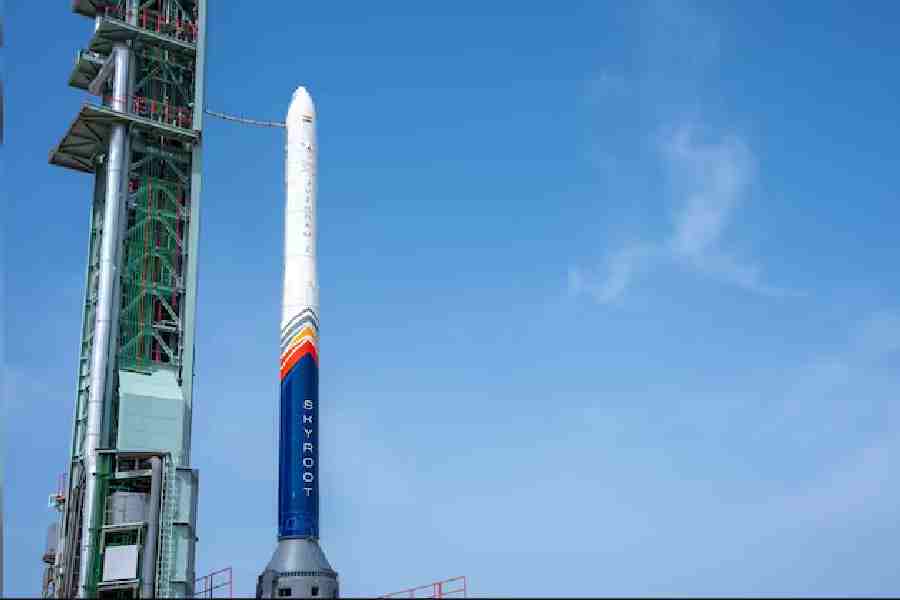
India's private space sector is growing fast, with companies like Skyroot Aerospace successfully launching satellites.
The government has invested money to support this growth, but it's also causing problems for the public space agency, ISRO, which is losing scientists and facing budget issues.
Meanwhile, space debris from anti-satellite tests by countries like China and Russia is increasing, making space more dangerous.
India is pushing for better international rules to keep space peaceful and safe for everyone.

Skyroot Aerospace’s Vikram-1 became the first privately developed Indian orbital launch vehicle to successfully place satellites in low-Earth orbit.
India's space sector has attracted over $618 million in private investment since reforms in 2020.
The government has provided Rs 1,000 crore for venture capital and Rs 500 crore for technology adoption in the space sector.
ISRO is facing budget shortages and has lost around 120 scientists to private companies.
The 1967 Outer Space Treaty is outdated and does not address modern challenges like anti-satellite weapons and space debris.
- Who
- Skyroot Aerospace, Indian Space Research Organisation (ISRO), United Nations Committee on the Peaceful Uses of Outer Space
- What
- Successful launch of Vikram-1, concerns over space debris and public sector challenges
- When
- Recent, with historical context on space treaties and anti-satellite tests
- Where
- India, international space governance
- Why
- To highlight the growth and challenges in India's private space sector and the need for updated international space governance
Private Sector Growth
Public Sector Concerns
Investment and Innovation
Private Sector Growth
Private investment has brought significant innovation and growth to India's space sector, as seen with Skyroot Aerospace's successful launch.
Public Sector Concerns
The public sector, particularly ISRO, is facing budget shortages and brain drain due to private sector expansion.
International Governance
Private Sector Growth
The private space sector's success depends on a peaceful international order and updated space treaties.
Public Sector Concerns
Current space treaties are outdated and do not adequately address modern challenges like anti-satellite weapons and commercial resource extraction.
- First Private Orbital Launch
- Skyroot Aerospace’s Vikram-1
- Private Investment
- $618 million
- Government Funds
- Rs 1,000 crore venture capital fund, Rs 500 crore technology adoption fund
- Scientists Leaving ISRO
- Around 120
- Outer Space Treaty
- Ratified by 118 nations, including India
- Anti-Satellite Tests
- China (2007) created 3,000+ debris fragments; Russia (2021) created 1,500+