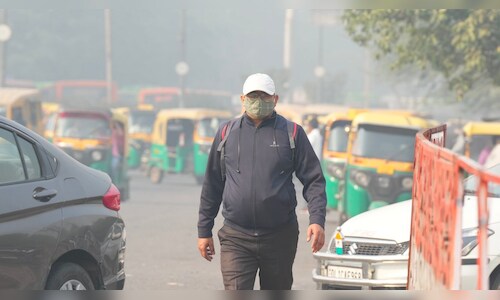
Archive · 12 Nov 2025
Centre Issues Health Advisory Amid Rising Air Pollution Across India
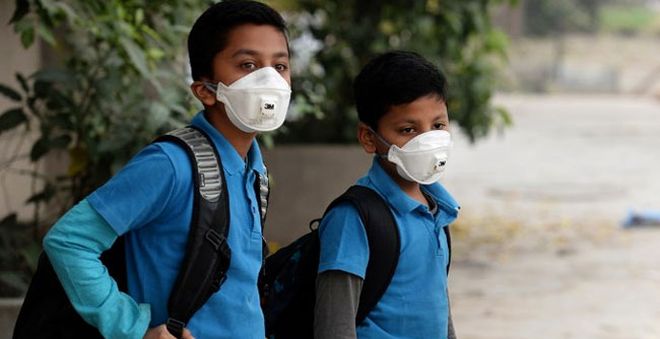
The government is concerned about the dirty air in many Indian cities making people sick, especially with winter approaching.
So, they sent out special instructions to all the states to get ready.
Hospitals need to make sure they have enough medicine, oxygen, and beds for people who have trouble breathing or heart problems because of the bad air.
They also want doctors to keep a closer watch on people who get sick from pollution and record it daily.
This helps them understand how bad the problem is.
The government also wants everyone to get messages about how to stay safe, like staying indoors when the air is really bad.
They are also telling schools and doctors to talk to kids and families about this.
It’s important for everyone to work together to help people breathe easier.

Union Health Ministry issues comprehensive health advisory to all States and UTs regarding rising air pollution.
Advisory urges enhanced health preparedness, surveillance of pollution-related illnesses, and coordinated action plans.
States directed to strengthen healthcare services, ensure availability of medical supplies, and set up specialised CHEST Clinics.
Mandates strengthening sentinel surveillance for pollution-linked illnesses and using digital tools for real-time data tracking.
Emphasizes public health advisories, awareness drives, and inter-departmental coordination to mitigate health impacts.
- Who
- Union Health Ministry, States and Union Territories, health officials, hospitals, pollution control boards, citizens.
- What
- Issuance of a comprehensive health advisory with guidelines on preparedness, surveillance, public health communication, and healthcare readiness to combat the health impacts of rising air pollution.
- When
- Amidst worsening air quality levels, particularly during the peak pollution period from October to February.
- Where
- Across major Indian cities, with a focus on north India, non-attainment cities, and NCAP cities.
- Why
- To mitigate the adverse public health impacts of air pollution, which is categorized as a public health emergency, and to protect vulnerable populations.
Public Health Concerns
Government and Official Response
Severity of Air Pollution and Health Risks
Public Health Concerns
Rising air pollution levels in major Indian cities pose significant health risks, leading to respiratory and cardiovascular complications. Vulnerable groups like children, the elderly, and pregnant women are particularly susceptible.
Government and Official Response
The Union Health Ministry has issued a comprehensive advisory urging states to enhance health preparedness, surveillance, and public awareness campaigns. The focus is on strengthening healthcare services and response mechanisms to mitigate impacts.
Data and Surveillance for Intervention
Public Health Concerns
There is a need for robust data collection and real-time tracking of pollution-related illnesses to understand the full scope of the problem and its health consequences.
Government and Official Response
The advisory mandates strengthening sentinel surveillance for pollution-linked illnesses, with hospitals reporting daily cases and District Nodal Officers collating and analyzing this data for evidence-based interventions. Digital tools like IHIP are recommended for real-time tracking.
Public Awareness and Precautionary Measures
Public Health Concerns
Citizens need to be informed about the health impacts of air pollution and encouraged to take necessary precautions, especially during high AQI days.
Government and Official Response
States are directed to issue regular health advisories through various media channels and launch intensive IEC campaigns targeting high-risk groups. Outreach activities and community engagement are also encouraged.
- Advisory Issuer
- Union Health Ministry
- Program Name
- National Programme on Climate Change and Human Health (NPCCHH)
- AQI Data Source
- Central Pollution Control Board (CPCB)
- Affected Areas
- Major Indian cities, particularly north India
- Peak Pollution Period
- October to February
- Recommended Action
- Strengthen healthcare, surveillance, and public communication; establish CHEST Clinics; use digital tools for data tracking.
- Vulnerable Groups
- Children, elderly, pregnant women, individuals with pre-existing conditions, outdoor workers
Sources

Delhi pollution: Schools in city asked to conduct classes in hybrid mode for students up to Class 5
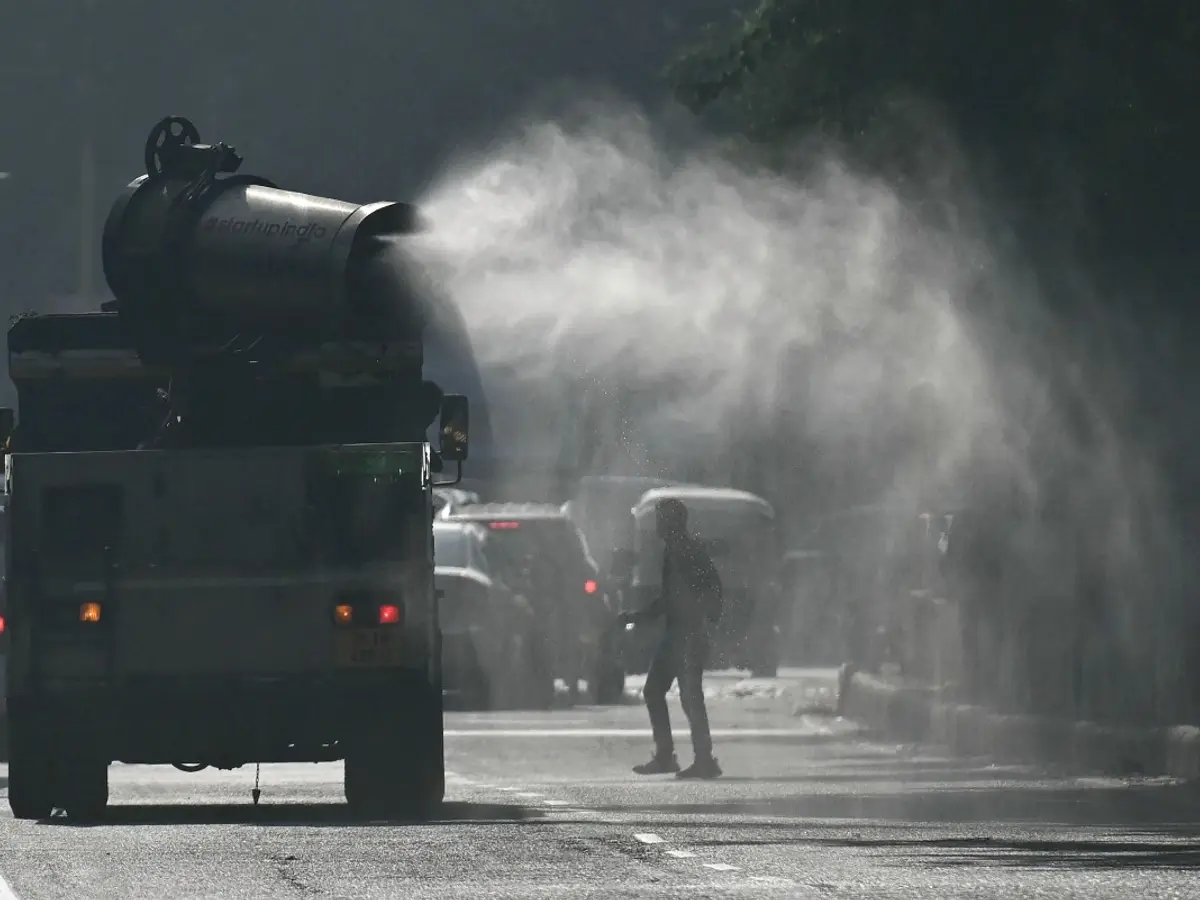
Delhi NCR air quality dips to severe, GRAP 3 imposed to curb pollution
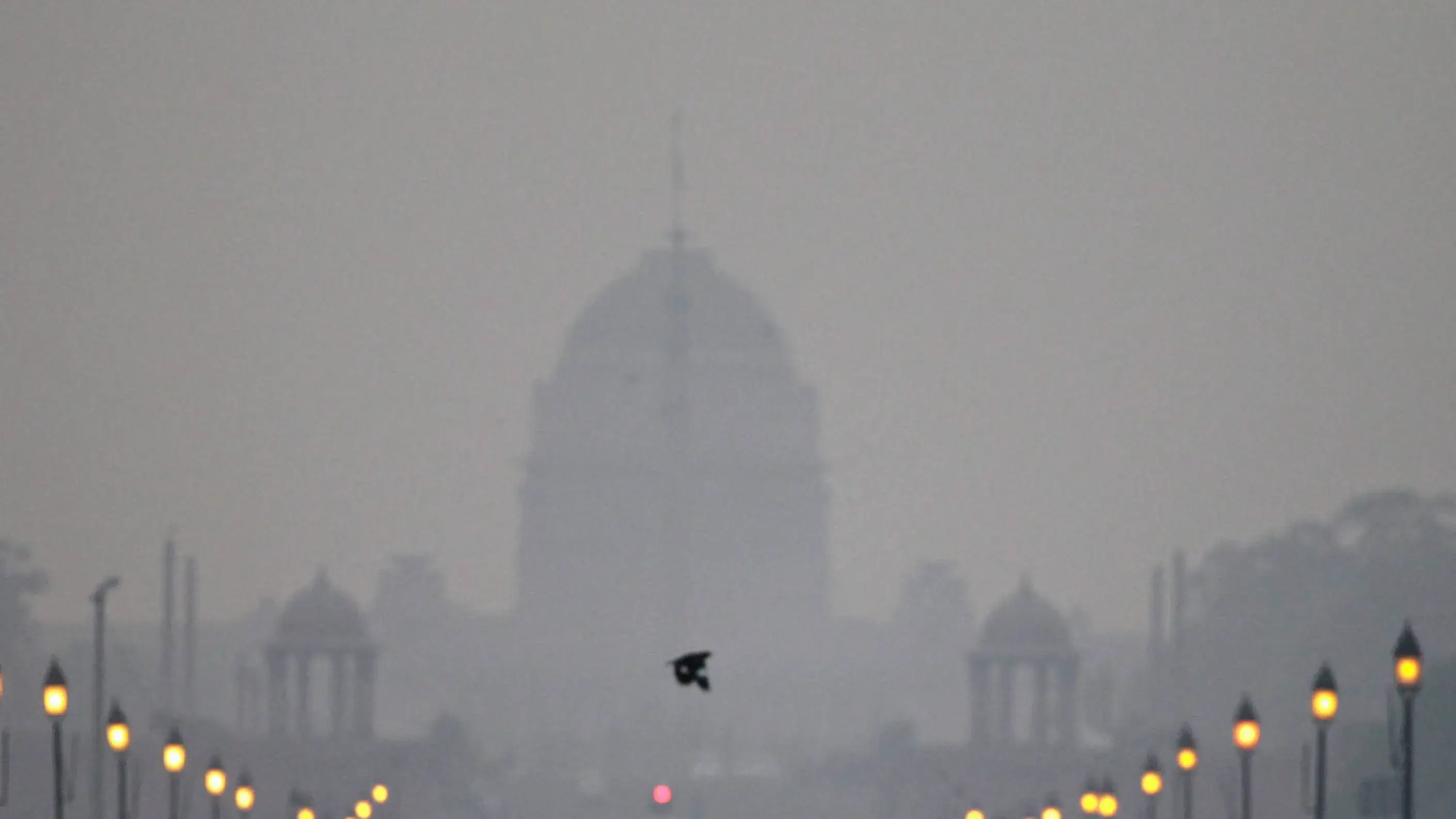
Delhi Schools Go Hybrid Till Class 5 As GRAP 3 Curbs Imposed After AQI Breaches 400 Mark

GRAP-III in Delhi-NCR: Construction halted as air quality turns ‘severe’
Hybrid Mode For Delhi Schools Till Class 5 As Air Pollution Crisis Worsens
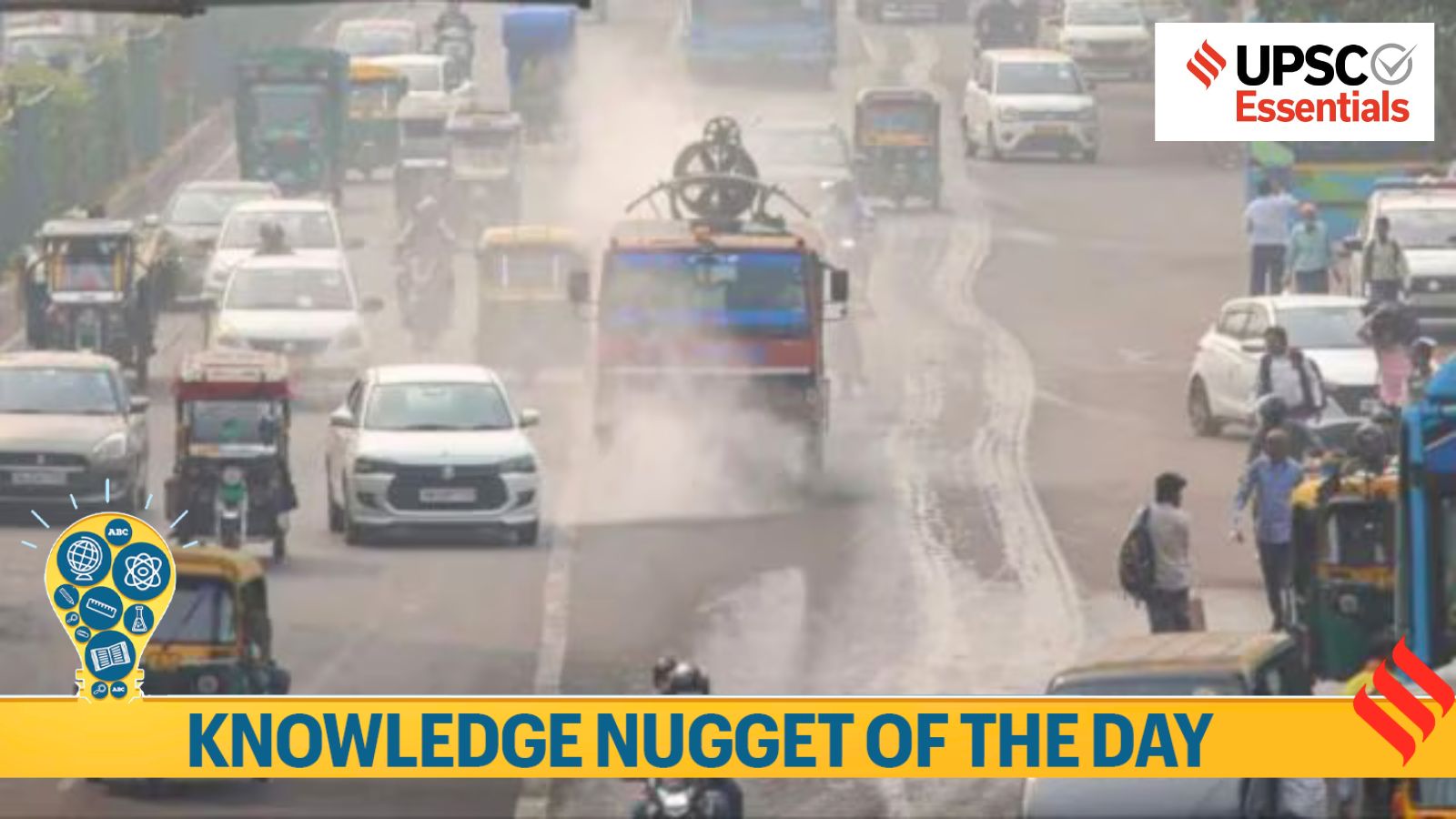
Knowledge Nugget | GRAP III and other measures to tackle Air Pollution: A must-know for UPSC aspirants
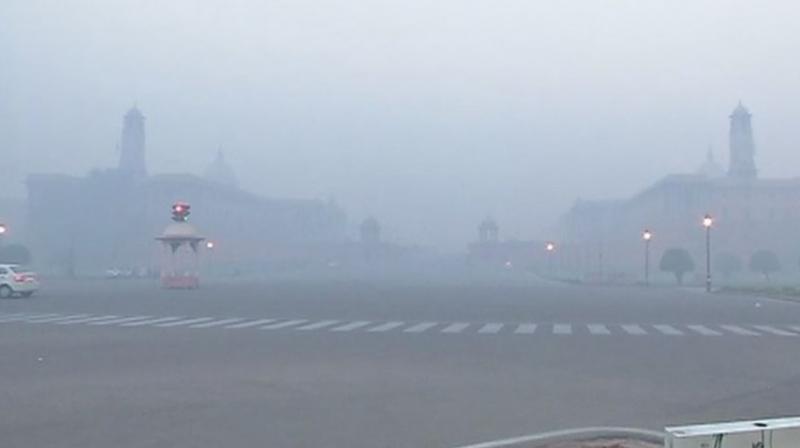
Delhi Pollution: Schools Asked to Conduct Classes in Hybrid Mode up to Class 5
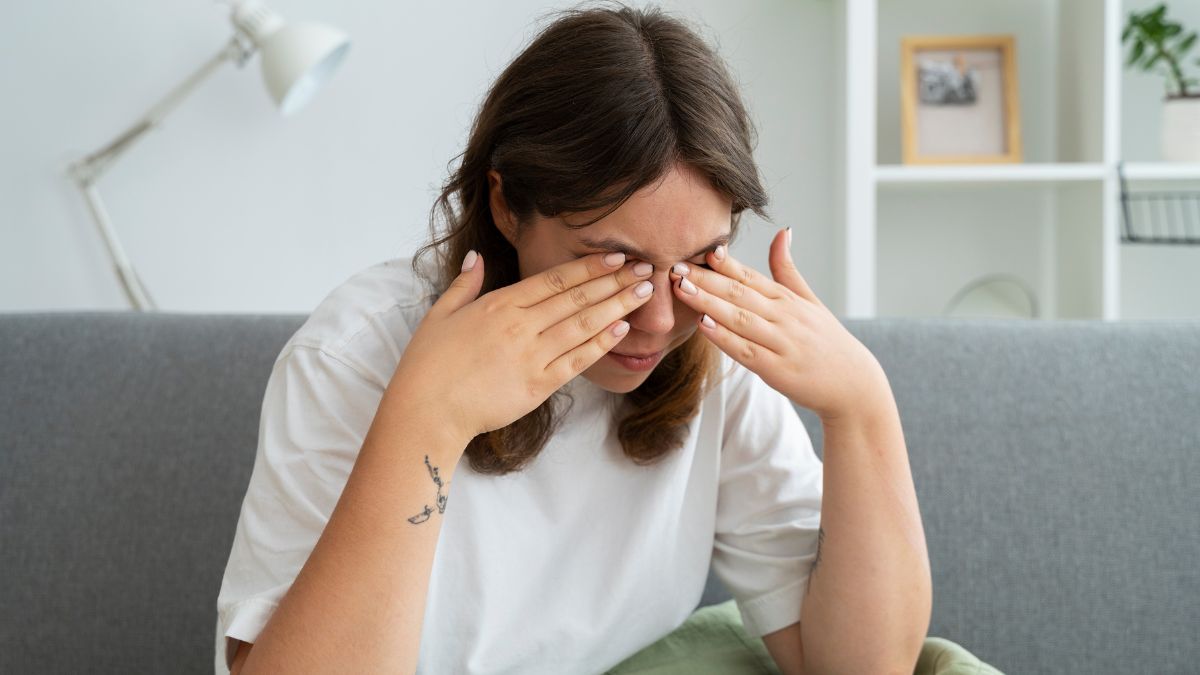
Delhi AQI crosses 400: How to safeguard eyes amid high pollution days
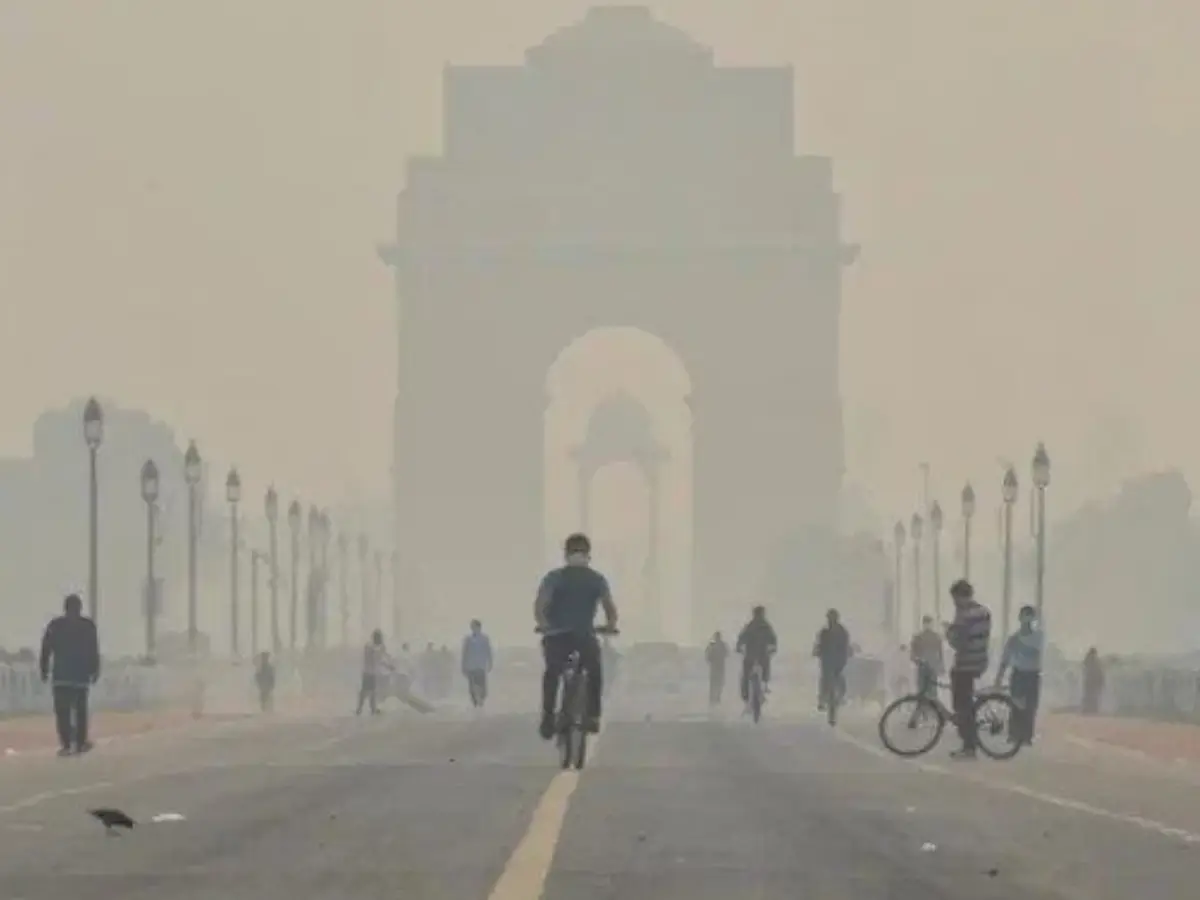
Delhi air pollution: All schools to run in hybrid mode till class 5

Jairam Ramesh slams over-reliance on GRAP amid Delhi’s pollution crisis
Delhi pollution: Schools asked to switch to hybrid mode as air quality turns ‘severe’
Delhi Schools Closed Tomorrow Live Updates: GRAP 3 Curbs Kick In; Will Schools Go Hybrid Tomorrow?

Smog Vs Screen: Are Delhi’s Students Safe in Classrooms Amid Toxic Air?
Toxic smog continues to engulf Delhi, AQI remains above 400
Delhi's Air Quality 'Severe' For Second Day In A Row