

Archive · 26 May 2025
Is Your Glassware Oven-Safe? Tips for Safe Kitchen Use
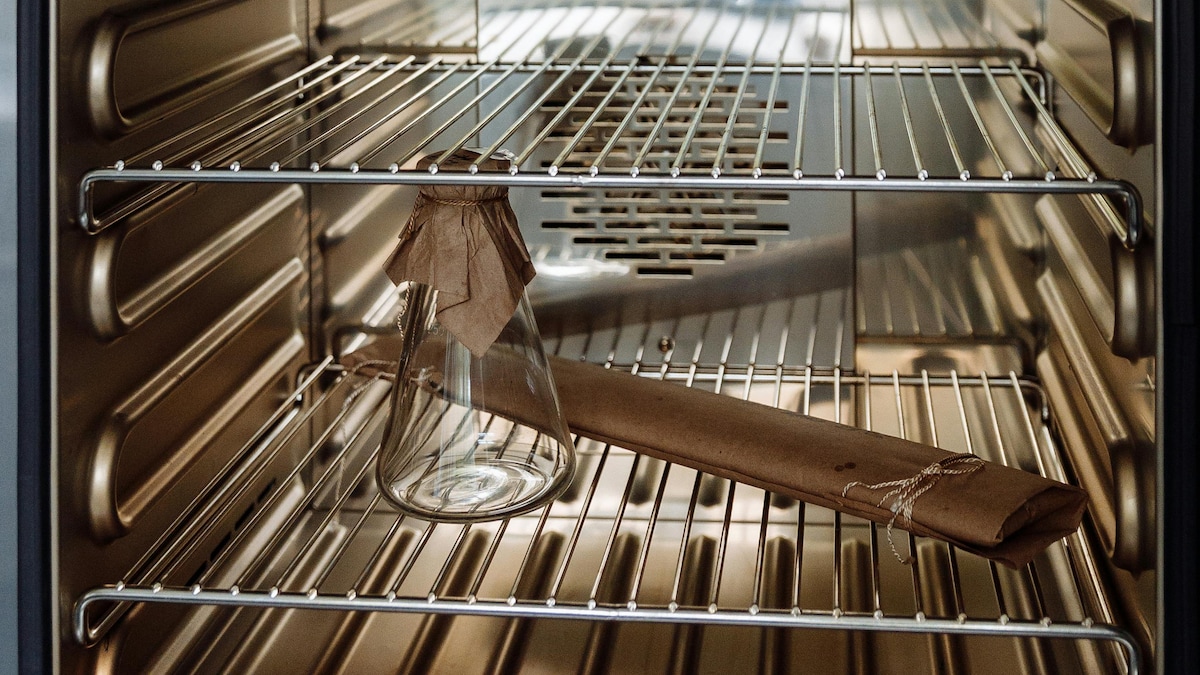
When you're cooking, it's important to use the right kind of glass.
Regular glass can break in the oven!
The best kind is borosilicate glass, also known as oven-safe glass, as it can handle big temperature changes.
Look for labels that say "oven-safe" on your dishes.
Be careful not to put cold glass straight into a hot oven, and don't put empty glass in the oven.
Gentle cleaning will help keep your glassware safe for a long time, making sure you can enjoy your yummy dishes!

Not all glassware is oven-safe; using the wrong type can lead to shattering and ruined food.
Look for borosilicate glass, which is highly resistant to thermal shock, as the gold standard.
Check for markings like 'oven-safe' or 'heat-resistant' on the dish or packaging.
Avoid sudden temperature changes; allow glassware to come to room temperature before use.
Use mild detergent and a soft sponge for cleaning to avoid scratching and weakening the glass.
- Who
- Home cooks and anyone using glassware in the oven.
- What
- How to identify and safely use oven-safe glassware.
- When
- Unspecified, relevant whenever using glassware in the oven.
- Where
- In the kitchen, specifically when cooking with glass dishes in the oven.
- Why
- To prevent kitchen disasters like shattered glass and ruined food, and to use and care for glassware safely.
- Key Material
- Borosilicate glass
- Look For
- 'Oven-safe', 'heat-resistant', or 'tempered' labels
- Design Features
- Thicker with rounded edges; avoid metallic trims or thin walls
- Temperature Tolerance
- Most can handle up to 220-230 degrees Celsius
- Avoid
- Sudden temperature changes
- Cleaning
- Use mild detergent and a soft sponge