

Archive · 5 Dec 2025
Everyday Digital Habits Enhance Security
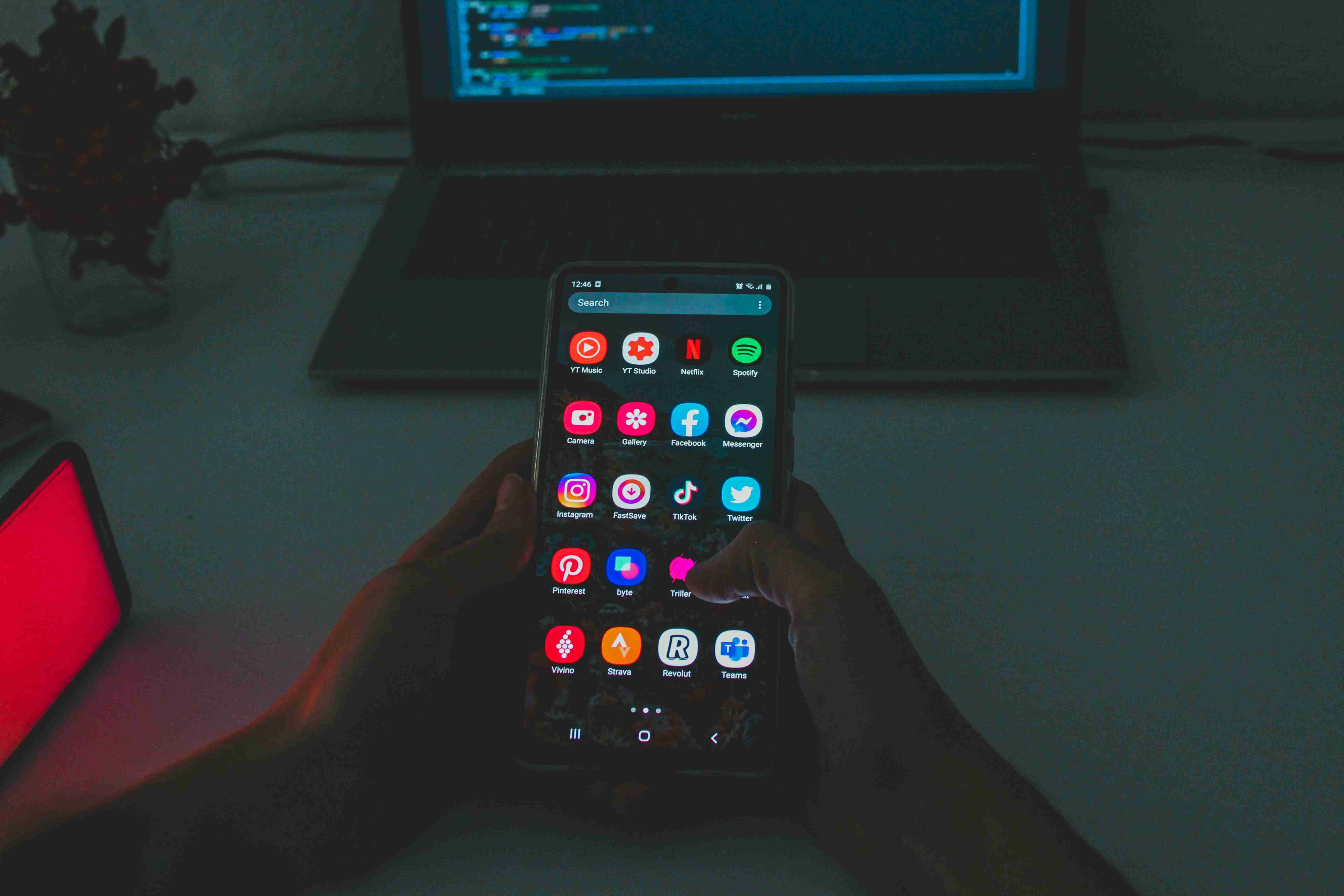
People are quietly changing their daily online habits to be more secure.
They use VPNs on public Wi-Fi, update their devices regularly, and check app permissions.
Companies are also making privacy settings easier to find and use.
For smart homes, simple steps like strong passwords and two-factor authentication can prevent hacking.
The biggest threats are automated bots and phishing scams, but good habits can keep your digital life safe.

People are adopting subtle digital security habits like using VPNs and updating devices regularly.
Companies are simplifying privacy settings and providing more transparent data usage information.
Remote work has led to tighter internal data security measures, which employees often adopt in their personal lives.
Smart home hacking is rare but preventable with strong passwords, two-factor authentication, and regular updates.
Common threats include automated botnet attacks and phishing scams, which can be mitigated with good digital habits.
- Who
- General public and tech companies
- What
- Shift in digital security habits and smart home security
- When
- Over the last few years
- Where
- Globally
- Why
- Due to increased awareness of data breaches and the need for better digital hygiene
- VPN Usage
- Increased for public Wi-Fi and unfamiliar networks
- Device Updates
- People no longer postpone updates
- App Permissions
- Regularly checked by users
- Password Managers
- Proliferation due to rising user expectations
- Two-Factor Authentication
- Automatically enabled on many devices
- Smart Home Hacking
- Rare but preventable with good habits
- Automated Botnet Attacks
- Common threat targeting weak passwords
- Phishing Tricks
- Malware designed to steal credentials
