

Archive · 3 Dec 2025
Exotic Pet Trade Drives Illegal Sales Online
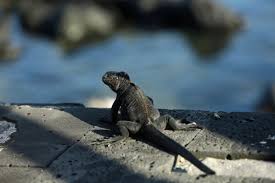
The exotic pet trade is growing, and many people are buying rare and endangered animals online.
This is causing problems for wildlife because some of these animals are being taken from the wild illegally.
Conservationists are meeting to discuss stronger rules to protect these animals.
They want to ban or regulate the trade of certain species like iguanas, tarantulas, and turtles.
Some people who keep exotic pets think the new rules are too strict and will make it harder to breed these animals in captivity.
The United States is one of the biggest markets for exotic pets, importing millions of live animals each year.

Conservationists are calling for stronger regulations to protect endangered species from the exotic pet trade.
The CITES conference in Samarkand, Uzbekistan, is considering proposals to ban or regulate the trade of several species.
Internet marketplaces and social media influencers are driving the illegal trade of live animals for the pet market.
A report found over 100,000 animals were seized or poached in Latin America from 2017 to 2022, with reptiles representing 60% of the trade.
The United States is among the biggest markets for the pet trade, importing an average of 90 million live animals annually.
- Who
- Conservationists, wildlife traders, social media influencers, and exotic pet owners
- What
- The growing exotic pet trade and illegal sales online
- When
- The CITES conference is scheduled to run through Friday
- Where
- Samarkand, Uzbekistan
- Why
- To protect endangered species and regulate the exotic pet trade
- Convention
- Convention on International Trade in Endangered Species of Wild Fauna and Flora (CITES)
- Location
- Samarkand, Uzbekistan
- Duration
- Two weeks
- Proposed Regulations
- Tighter regulations or complete bans on the trade of several species including iguanas, tarantulas, and turtles
- Illegal Trade Seizures
- More than 100,000 animals seized or poached from 2017 to 2022 in Latin America
- Live Pet Trade
- Reptiles represent about 60% of the animals, birds nearly 30%, and amphibians over 10%
- United States Imports
- 90 million live animals annually