Archive · 24 Sep 2026
Pentagon Probes F-35 Parts Diverted To Hong Kong
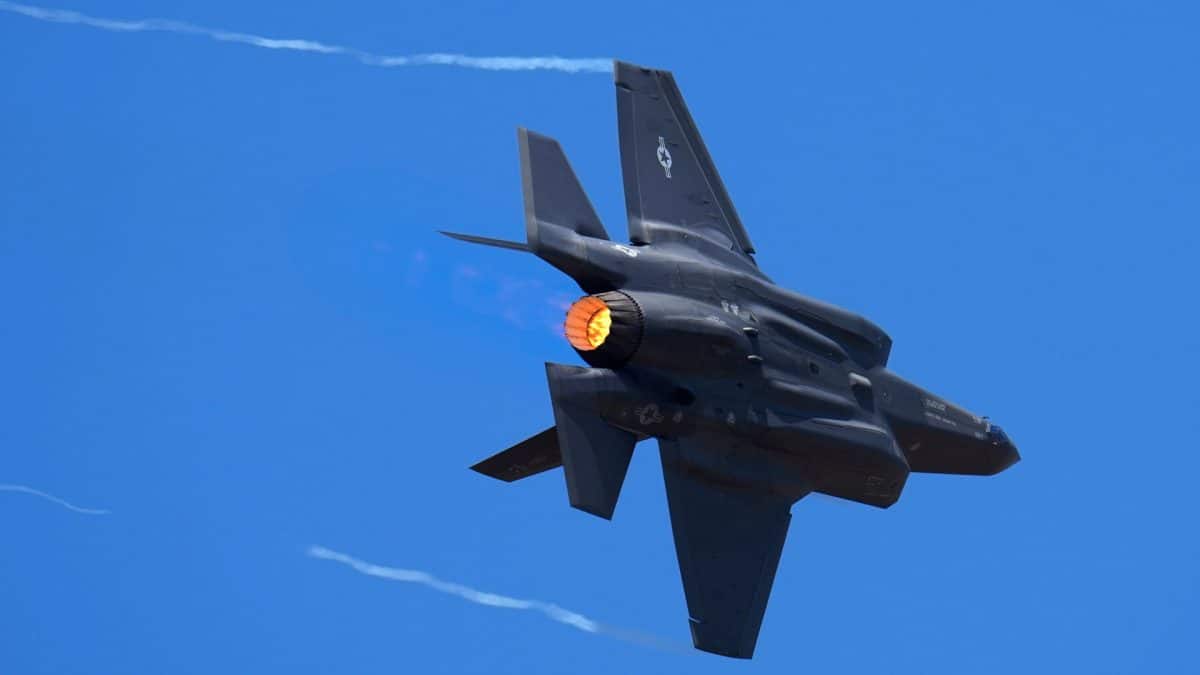
Parts from an Australian F-35 fighter jet were being sent to the United States.
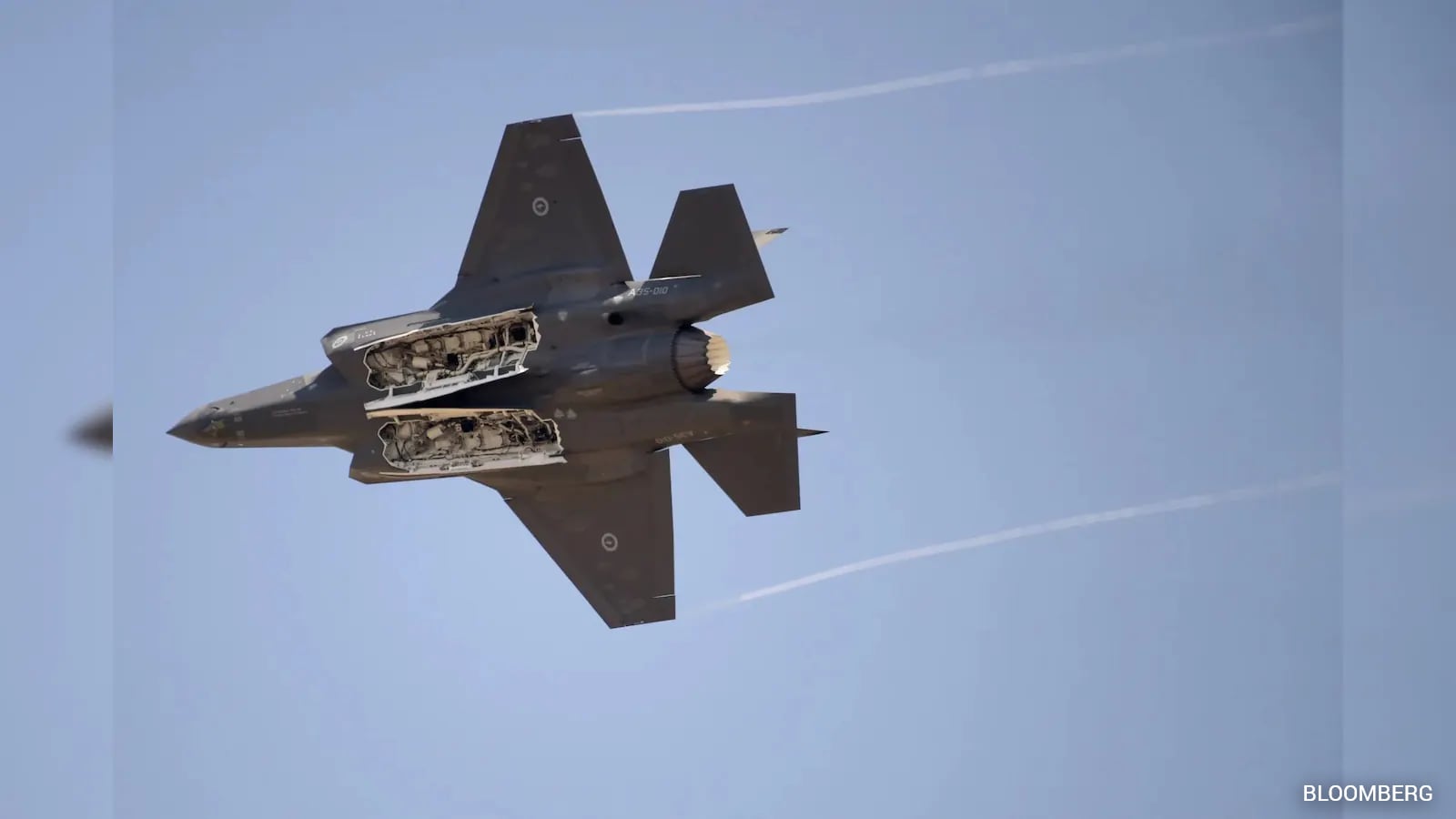
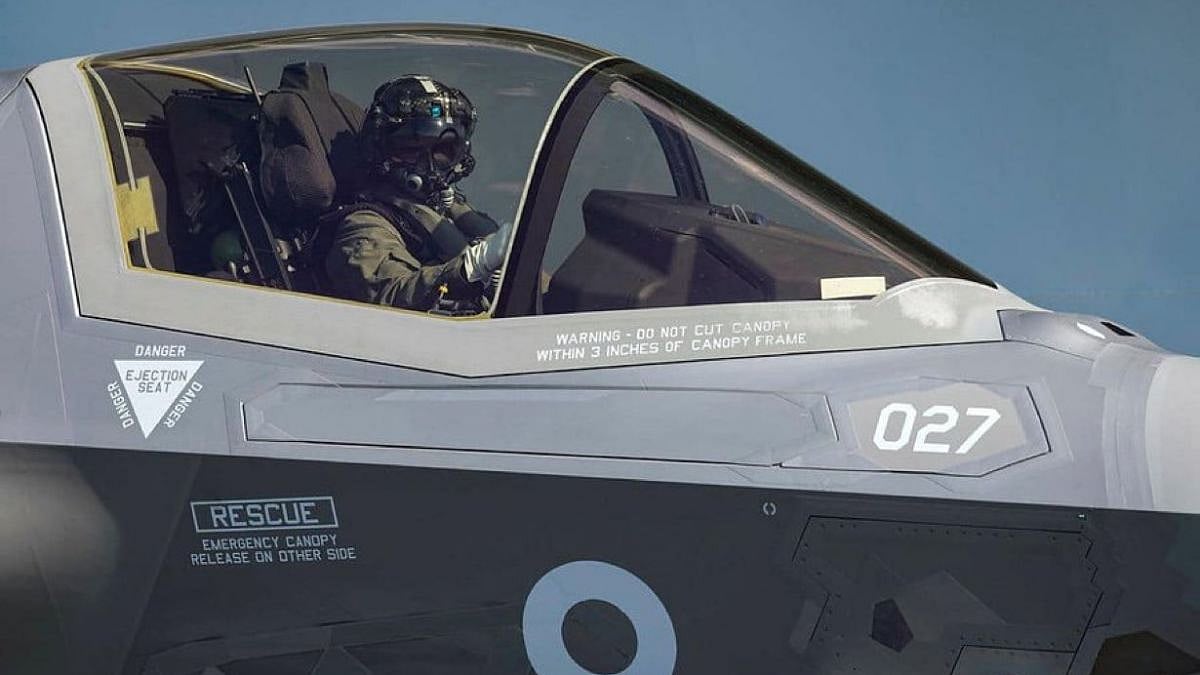
The parts included a cockpit canopy and a door from the jet’s weapons bay.
They were supposed to be inspected, repaired, or possibly thrown away.
The shipment reportedly traveled through South Korea before ending up in Hong Kong.
People familiar with the incident said Chinese authorities obtained the parts.
Chinese officials said they did not know about the situation.
Some lawmakers and experts worry the parts could reveal information about how the jet avoids radar.
Australia and Lockheed Martin said the parts were damaged or unusable and presented little risk.
The Pentagon is investigating what happened and trying to get the parts back.

A cockpit canopy and weapons-bay door from an Australian F-35 were reportedly diverted to Hong Kong while being shipped to the United States.
The parts were being sent for inspection, repair, refurbishment, or possible disposal, with the shipment reportedly passing through South Korea.
People briefed on the incident said Chinese authorities took possession of the components, although Beijing said it was unaware of the situation.
The Pentagon and F-35 Joint Program Office are investigating, seeking to recover the parts and prevent similar shipping failures.
Lawmakers and experts warned of possible intelligence risks, while Australian officials and Lockheed Martin described the unserviceable components as low risk or non-sensitive.
- Who
- The Pentagon, the F-35 Joint Program Office, Australian officials, Lockheed Martin, UPS, congressional committees, and reportedly Chinese authorities are involved.
- What
- An investigation is examining how F-35 components were diverted to Hong Kong and reportedly came into Chinese possession.
- When
- The shipment reportedly occurred in late May; the issue was discussed during a closed Senate hearing on June 23 and reported during Chinese President Xi Jinping’s US visit.
- Where
- The components originated in Australia, were being sent to the United States, reportedly passed through South Korea, and ended up in Hong Kong.
- Why
- They were being sent to the United States for inspection, repair, refurbishment, or possible disposal; the reason for the diversion remains unclear.
Security Concerns
Officials’ Risk Assessment
Sensitivity of the components
Security Concerns
Lawmakers and defense experts warned that Chinese access to the canopy and weapons-bay door could expose information about F-35 stealth technology, including radar-absorbing materials reportedly used on the parts.
Officials’ Risk Assessment
Australian Defence Minister Richard Marles said the items were not sensitive equipment, and Lockheed Martin said the unserviceable components were low risk for exploitation.
Potential intelligence value
Security Concerns
Critics argued that China seeks information about US military equipment and that physical access to F-35 hardware could provide useful technical evidence.
Officials’ Risk Assessment
Bradley Bowman said US military systems are continually updated, which can reduce the value of information obtained years earlier; the Pentagon has not said the parts contained classified information.
Cause of the diversion
Security Concerns
The unexplained stop in South Korea, unexpected routing to Hong Kong, and use of a commercial carrier raised concerns about weaknesses in the defense supply chain.
Officials’ Risk Assessment
The available accounts do not establish whether the diversion was intentional, accidental, or caused by a logistics error, and officials are investigating the shipment.
- Reported components
- An F-35 cockpit canopy and weapons-bay door from an Australian military aircraft
- Reported route
- Australia to the United States, reportedly through South Korea and then unexpectedly to Hong Kong
- Reported possession
- People briefed on the incident said Chinese authorities took possession of the parts; Beijing said it was unaware of the situation
- Component condition
- The Pentagon described the components as unserviceable, while Lockheed Martin called them low risk for exploitation
- Investigation
- The Pentagon, F-35 Joint Program Office, US authorities, industry partners, and congressional committees are reviewing the incident
- Companies involved
- UPS reportedly transported the shipment, and Lockheed Martin supplied the components and oversees aspects of the F-35 program
- F-35 scale
- More than 1,200 F-35 aircraft have been produced, and 19 countries have placed orders, according to the Congressional Research Service