

Archive · 21 Jan 2026
Mustard Oil: Heart Health Benefits and Risks
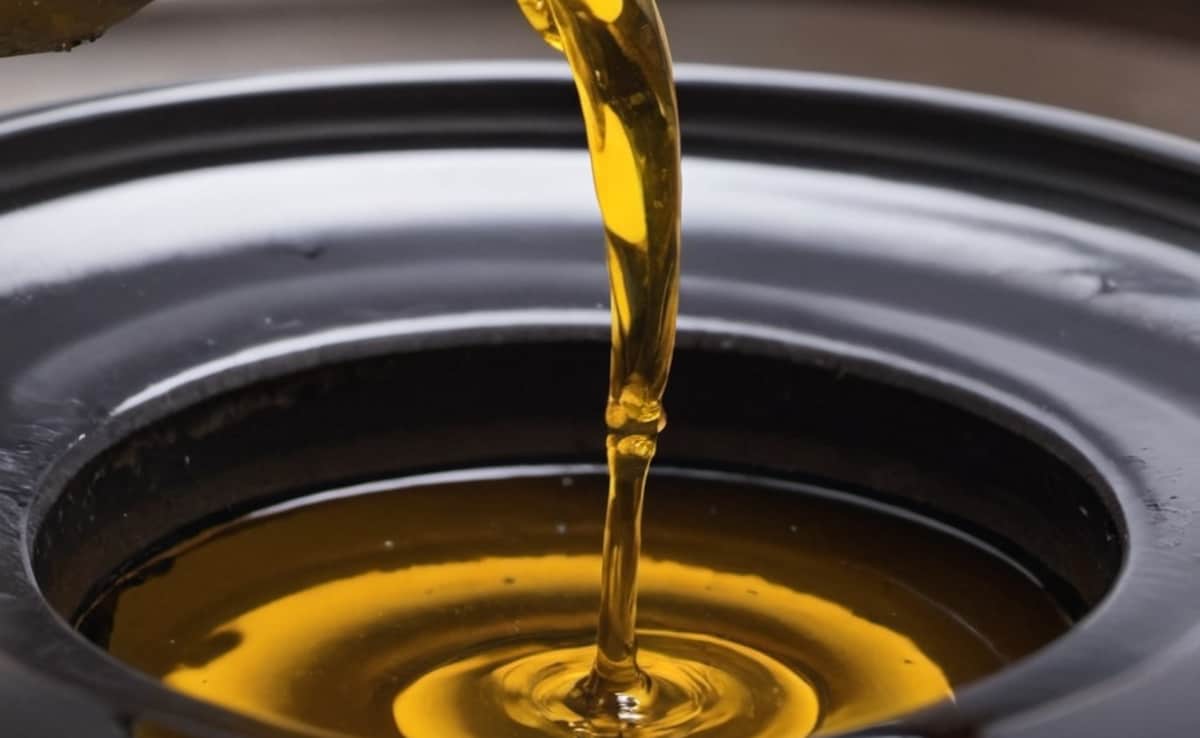
Mustard oil has been used for cooking in India for a long time.
Some people think it's bad for the heart because it has a lot of erucic acid, which was found to cause heart problems in rats.
But recent studies say that humans can handle erucic acid better and it might not be as harmful.
Mustard oil has good fats that can help keep your heart healthy.
It can lower bad cholesterol, help with blood pressure, and is safe for cooking at high temperatures.
However, too much mustard oil or using bad-quality oil can cause problems like skin irritation or heart issues.
Experts say it's okay to use mustard oil, but you should also use other healthy oils and not eat too much of it.

Mustard oil contains high levels of erucic acid, which was linked to heart issues in rats but may not affect humans the same way.
Recent studies suggest mustard oil can reduce the risk of coronary heart disease by up to 70% due to its beneficial fatty acid profile.
Mustard oil has a high smoke point, making it safe for high-heat cooking and reducing the formation of toxic compounds.
Excessive consumption or adulterated mustard oil can lead to side effects like skin irritation and heart problems.
Experts recommend consuming 15–20 ml of mustard oil daily, along with other healthy oils, for a balanced diet.
- Who
- Researchers, health experts, and consumers
- What
- The debate on the safety and benefits of mustard oil for heart health
- When
- Ongoing, with recent studies published in 2025
- Where
- Globally, with a focus on India and Western countries
- Why
- To determine the impact of mustard oil on heart health and clarify its safety for consumption
- Erucic Acid Content
- 30% to 50% in traditional mustard oil
- Smoke Point
- Approximately 250°C
- Saturated Fat Content
- Approximately 12%
- Omega-6 to Omega-3 Ratio
- Roughly 6:5 or 1:2 in some varieties
- Recommended Daily Intake
- 15–20 ml per person
- Heart Disease Risk Reduction
- Up to 70% with regular consumption