

Archive · 27 Jul 2025
Cool Schools: Architects Redesign Classrooms for a Warmer World
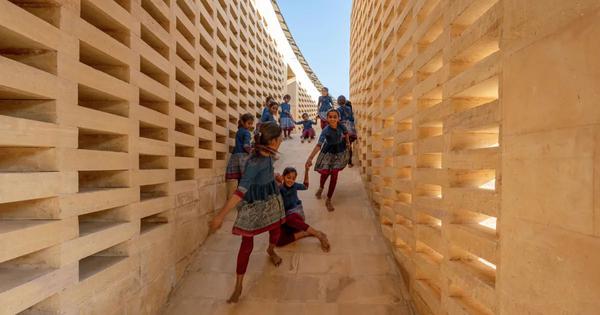
Schools around the world are getting a makeover to stay cool in a warming world.
Architects are using smart ideas like clay walls, cross-ventilation, and green spaces to keep classrooms comfortable.
Instead of using air conditioners that use lots of energy, they are using natural methods.
These buildings use local materials and clever designs, inspired by things like termite mounds, to make sure kids can learn without getting too hot.
It's a new approach, and it's working to keep students focused and healthy.

Architects are designing schools that stay cool using natural materials and techniques, without air conditioning.
Francis Kéré, winner of the Pritzker Prize, uses clay and passive cooling methods like cross-ventilation and overhanging roofs.
Diana Kellogg designed a school in the Thar desert of India that uses the Venturi effect and solar power for cooling.
Even temperate countries are future-proofing new schools for rising temperatures, and greening playgrounds.
Architects like Anna Heringer advocate for building with mud, a low-tech but effective material for temperature regulation.
- Who
- Architects like Francis Kéré, Diana Kellogg, and Anna Heringer are leading the way.
- What
- Architects are designing schools to stay cool in warming climates using sustainable methods.
- When
- The shift towards sustainable school design is happening now, with ongoing projects and future plans.
- Where
- Projects are occurring in Africa, India, and even temperate countries like Britain.
- Why
- To create comfortable and inspiring learning environments, and to combat the impact of climate change on education.
- Architects Mentioned
- Francis Kéré, Diana Kellogg, Anna Heringer
- Pritzker Prize Winner
- Francis Kéré (2022)
- Gando Primary School
- Designed by Francis Kéré, uses clay and passive cooling
- Rajkumari Ratnavati Girls School
- Designed by Diana Kellogg, located in Thar desert, India
- Key Materials
- Clay, Sandstone, Lime Plaster
- Key Techniques
- Cross-ventilation, Venturi effect, Solar Power