Archive · 28 Dec 2025
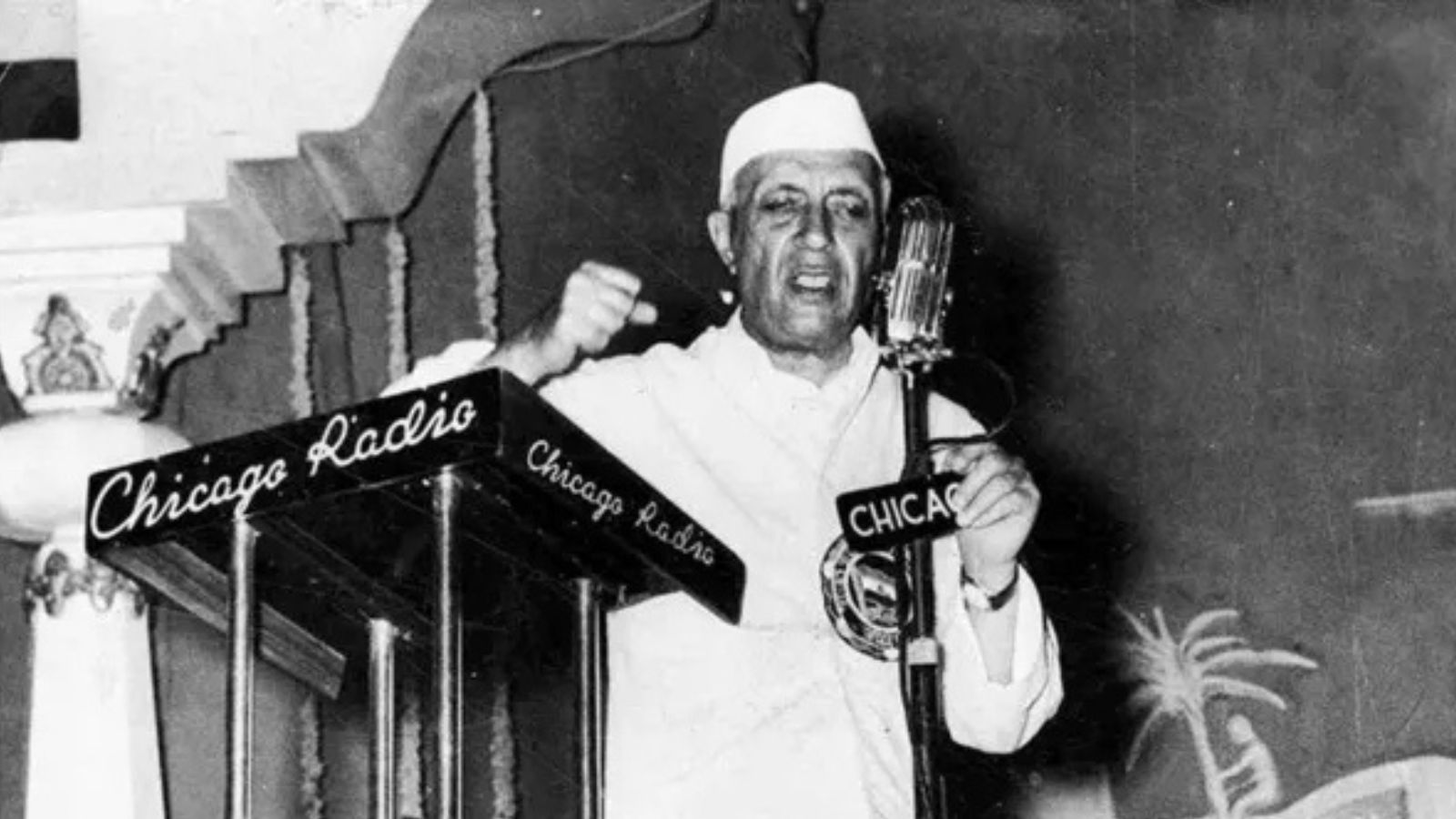
India's Hasty Recognition of China in 1949
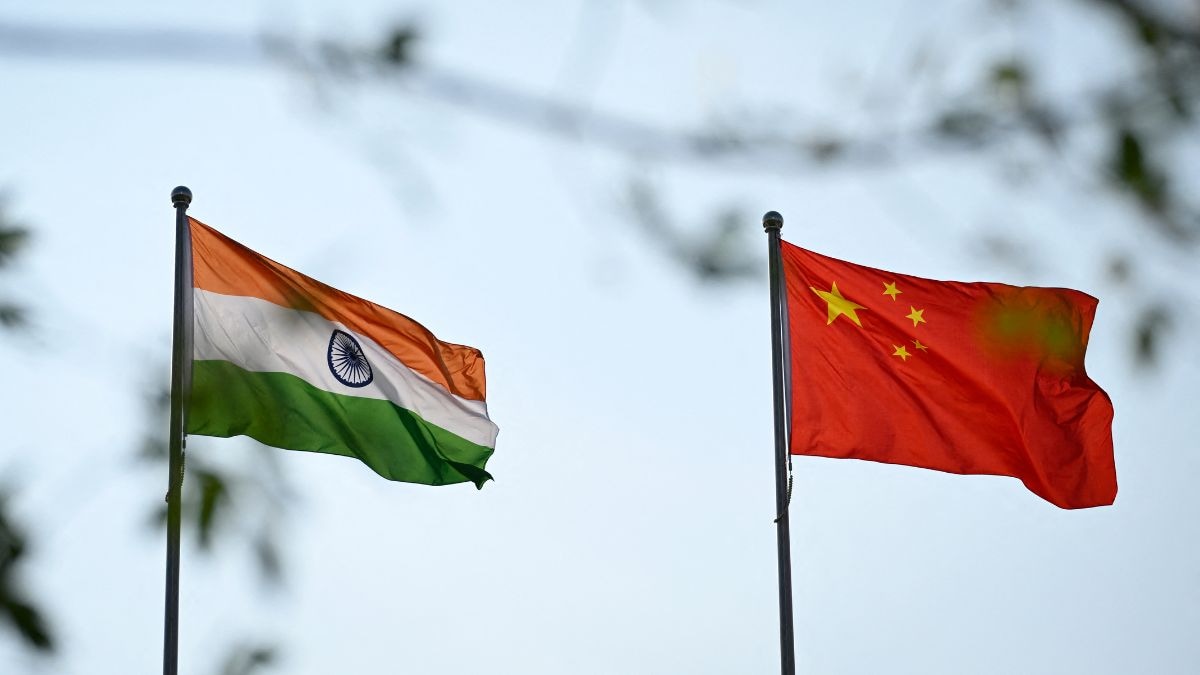
A long time ago, in 1949, India quickly decided to recognize the new Communist government in China.
This decision was made without getting any promises for India's safety.
Some leaders, like Sardar Patel, thought this was a bad idea, but the Prime Minister, Nehru, went ahead with it.
Soon after, China invaded Tibet, which was a neighboring country to India.
This invasion had big consequences, and India lost a friendly neighbor.
The decision to recognize China so quickly is now seen as a big mistake that still affects India and China's relationship today.

India recognized the Communist regime in China on December 31, 1949, without securing any guarantees for its own security.
Sardar Vallabhbhai Patel, India's Deputy Prime Minister, opposed the hasty recognition, but Nehru proceeded with it.
China invaded Tibet on October 7, 1950, asserting it as an integral part of China.
The invasion of Tibet had serious consequences for India, including the loss of a friendly neighbor and ongoing border tensions.
The decision to recognize China hastily is now considered a strategic folly with long-lasting impacts.
- Who
- India and China
- What
- India's hasty recognition of the Communist regime in China and its strategic consequences
- When
- December 31, 1949, and subsequent events in 1950
- Where
- India, China, and Tibet
- Why
- India recognized China without securing guarantees for its own security, leading to strategic folly and the invasion of Tibet
- Date of Recognition
- December 31, 1949
- First Nations to Recognize
- India and Burma
- Chinese Invasion of Tibet
- October 7, 1950
- Key Figures
- Jawaharlal Nehru, Sardar Vallabhbhai Patel, Mao Zedong, Joseph Stalin, KM Panikkar
- Strategic Consequence
- Loss of a friendly neighbor and ongoing border tensions