

Archive · 12 Sep 2026
Pezeshkian Rejects US and Israeli Pressure During India Visit
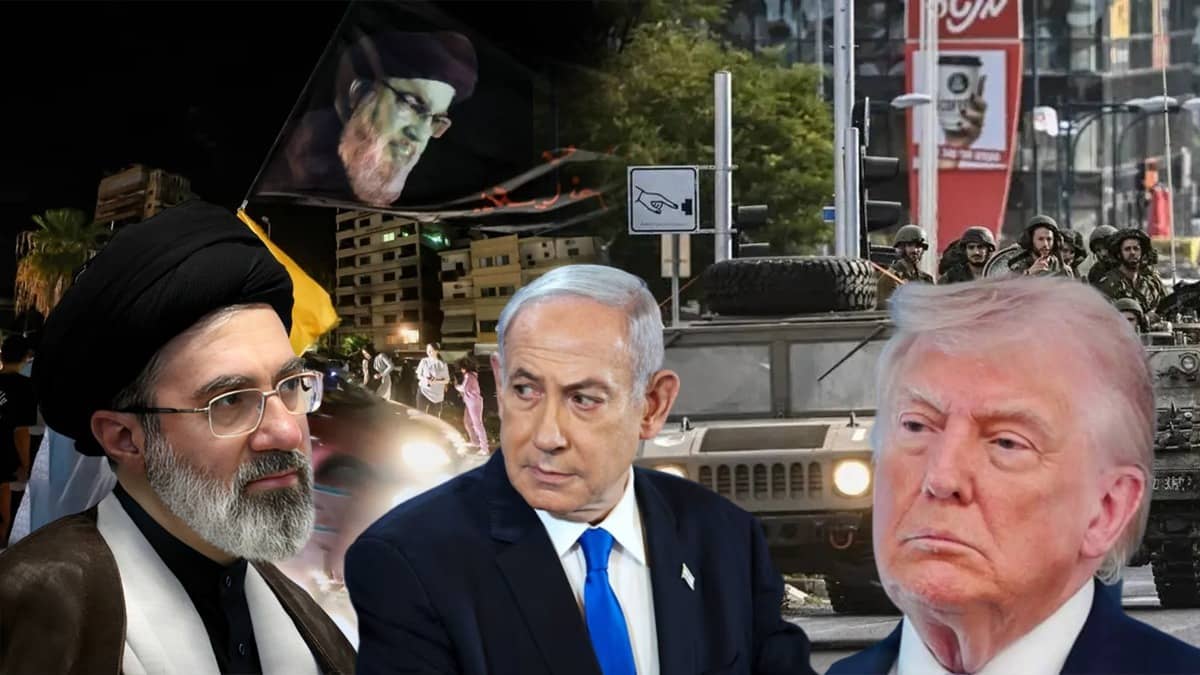
Iran’s president, Masoud Pezeshkian, visited New Delhi for the BRICS summit.
He said Iran would not give in to pressure from the United States or Israel.
He accused those countries of attacking places such as schools, hospitals and infrastructure.
He said a strike had killed 168 children, though this was presented as his claim.
The reports say Iran and the United States had traded attacks earlier in the week.
Pezeshkian also said countries in the region should live peacefully together.
He met India’s Prime Minister Narendra Modi to discuss cooperation between Iran and India.
Iran offered to help with energy, food and transportation connections.
Iranian officials also urged BRICS members to use their own national currencies more in trade.

Iranian President Masoud Pezeshkian said Iran would not surrender to what he called US and Israeli bullying or oppression.
Pezeshkian accused US and Israeli forces of targeting civilians, schools, hospitals, infrastructure and livelihoods, citing a claimed strike that killed 168 children.
His remarks came during escalating West Asian hostilities, after Iran and the United States traded strikes earlier in the week, according to the reports.
Pezeshkian met Indian Prime Minister Narendra Modi in New Delhi to discuss West Asia, bilateral relations and cooperation in trade, technology, culture, energy and food.
At the BRICS summit and business forum, Pezeshkian and Foreign Minister Abbas Araghchi promoted greater use of national currencies in trade, while a single BRICS currency remains under consideration.
- Who
- Iranian President Masoud Pezeshkian, Prime Minister Narendra Modi and Foreign Minister Abbas Araghchi were the main figures.
- What
- Pezeshkian rejected pressure from the United States and Israel while discussing Iran-India relations and BRICS economic cooperation.
- When
- Pezeshkian spoke on Friday, September 11, during a three-day visit to India; the reports also describe strikes earlier that week.
- Where
- New Delhi, India, including an address to religious, academic, intellectual and business figures and meetings connected to the BRICS summit.
- Why
- Pezeshkian said Iran would protect its national interests, resist foreign pressure and oppose what he described as attacks and attempts to create division.
Iran’s position
US and Israeli position as described
Resistance or pressure
Iran’s position
Pezeshkian said Iran would not surrender, kneel down or be bullied, and would push back if pressured.
US and Israeli position as described
The reports describe continuing US and Israeli military and economic pressure on Iran, including strikes and sanctions, but do not provide statements from US or Israeli officials responding to Pezeshkian.
Targets of military action
Iran’s position
Pezeshkian accused US and Israeli forces of targeting schools, hospitals, infrastructure, scientists and people’s livelihoods rather than only military personnel.
US and Israeli position as described
The reports say the United States cited attacks on US interests and that US forces struck Iranian-linked vessels, while Jordan said it intercepted most missiles fired toward its territory.
Regional outlook
Iran’s position
Pezeshkian called for peaceful coexistence among countries while saying Iran would continue resisting foreign forces and supporting oppressed people.
US and Israeli position as described
The reports portray the opposing side as pursuing military and economic measures against Iran amid escalating hostilities, without setting out a separate regional peace proposal.
- Iranian president
- Masoud Pezeshkian
- Visit
- Three-day trip to New Delhi, primarily for the 18th BRICS Summit
- Claimed casualties
- Pezeshkian said a strike near a primary school in southern Iran killed 168 children
- Reported escalation
- Iran and the United States traded strikes earlier in the week, according to the reports
- India discussions
- Pezeshkian and Narendra Modi discussed West Asia and bilateral ties
- Economic proposal
- Iran called for stronger use of national currencies in BRICS trade
- Currency proposal
- Araghchi said a single currency for BRICS trade remains under consideration
