

Archive · 31 Jul 2025
FDA Seeks to Restrict Kratom Derivative 7-OH Due to Opioid-Like Effects
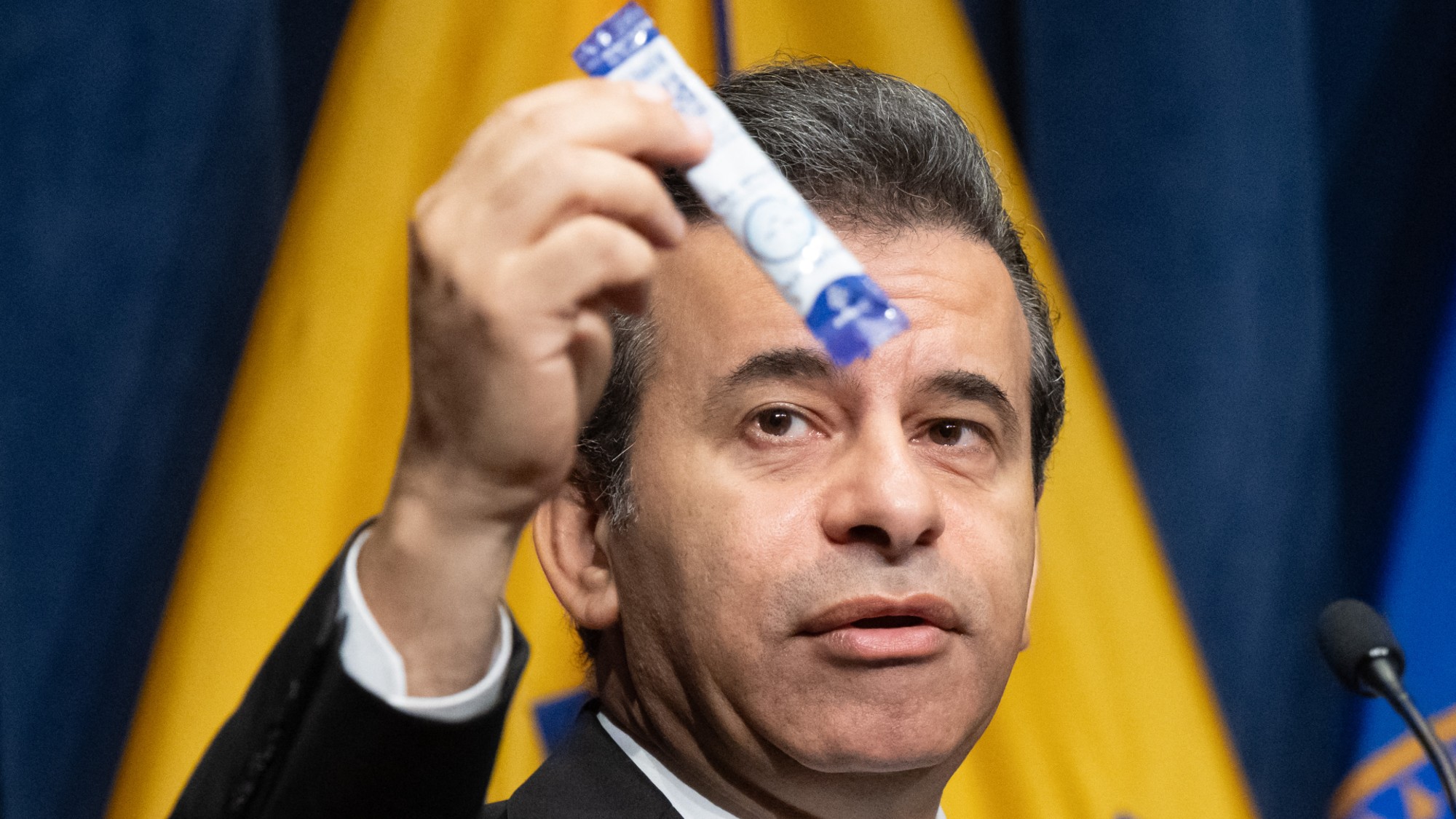
The FDA is worried about a substance called 7-OH, made from the kratom plant.
7-OH is stronger than the kratom itself and acts like an opioid, making it addictive.
It's found in products sold in many stores.
The FDA wants to make it harder to buy 7-OH by classifying it with drugs like heroin.
Some people agree, because they want to protect people from harmful substances.
Others are worried and don't think the FDA has enough proof to make this change.

The FDA is urging the DEA to classify 7-hydroxymitragynine (7-OH), a synthetic derivative of kratom, as a Schedule 1 substance.
7-OH is a more potent, addictive substance compared to kratom, with opioid-like qualities.
The FDA's concern stems from the increasing availability of 7-OH in products sold at gas stations and convenience stores.
The American Kratom Association supports the FDA's move, while some groups express concerns about the lack of evidence.
Reclassification aims to restrict access to 7-OH products, which are distinct from natural kratom leaf products.
- Who
- The FDA is taking action against 7-OH; the DEA will decide if the substance will be reclassified.
- What
- The FDA wants to restrict 7-hydroxymitragynine (7-OH), a derivative of kratom.
- When
- The FDA announced it is urging the DEA to reclassify 7-OH.
- Where
- Nationwide, in places where energy drinks, gummies, and supplements are sold.
- Why
- Due to its opioid-like, addictive qualities and increasing availability.
Supporters
Opposers
Views on the FDA Action
Supporters
The FDA's move will help protect public health from dangerous, synthetic products.
Opposers
Concerns over potential overreach and lack of sufficient evidence to support the action.
- Substance
- 7-hydroxymitragynine (7-OH)
- Source Material
- Kratom
- FDA Action
- Urging DEA to classify as Schedule 1
- Comparison
- More potent than morphine
- Groups Involved
- FDA, DEA, American Kratom Association, Holistic Alternative Recovery Trust