Archive · 3 Sep 2025
Amino Acids: Why They Matter & Plant-Based Sources
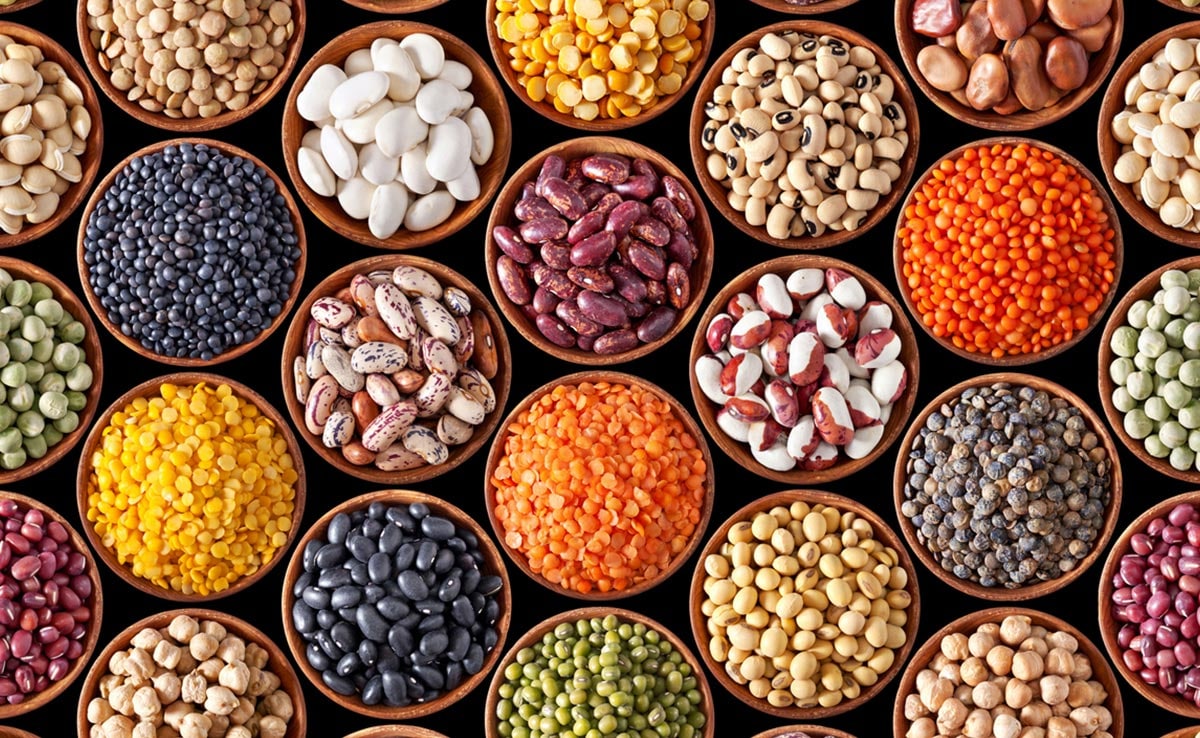
Amino acids are the tiny building blocks that make up the proteins in your body, helping you grow and stay healthy.
Your body needs 9 special amino acids from food.
Think of them as the body's tools.
Animal products have all these, while plant-based foods like beans, lentils and seeds also provide these.
Vegetarians can get all they need by eating a variety of plant foods throughout the day.
These amino acids help build muscles, make hormones and fight off sickness, making a balanced diet critical to overall health.

Amino acids are fundamental compounds that form proteins, crucial for various bodily functions.
9 essential amino acids cannot be produced by the body and must be obtained from food.
Animal-based foods are considered complete proteins, while some plant-based foods, like soy, also offer complete protein profiles.
Plant-based diets can provide all essential amino acids through a well-planned, varied diet.
Examples of plant-based amino acid sources include soybeans, lentils, chickpeas, peanuts, and sesame seeds.
- Who
- Focus is on individuals, specifically vegetarians and vegans in India.
- What
- Explanation of amino acids, their importance, and plant-based sources.
- When
- World Nutrition Month (unspecified year)
- Where
- India, with a focus on desi plant-based foods.
- Why
- To educate about amino acids and promote informed dietary choices, particularly for vegetarians.
- Amino Acids
- Organic compounds forming proteins, essential for body functions.
- Essential Amino Acids
- 9 amino acids the body cannot produce; must come from food.
- Complete Proteins
- Contain all 9 essential amino acids (e.g., soy).
- Plant-Based Sources
- Soybean, Rajma (kidney beans), Moong dal, Chana (chickpeas), Peanuts, Sesame seeds, and whole grains.
- Benefits of Amino Acids
- Muscle growth, hormone production, enzyme creation, immune function, and nutrient absorption.