

Archive · 22 Jul 2026
IIT Kanpur Discovers EP67 for Stronger Vaccine Responses
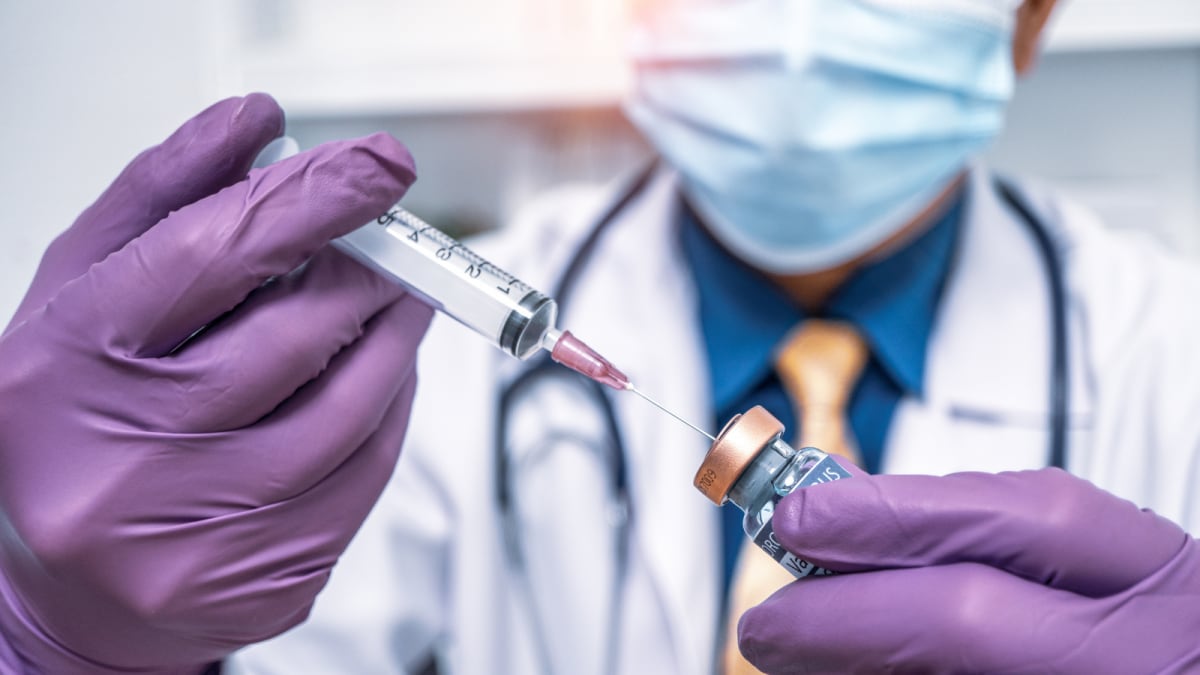
Scientists at IIT Kanpur have discovered a tiny molecule called EP67 that can make vaccines work better.
EP67 helps the body's immune system respond stronger to vaccines without causing too much inflammation.
This could lead to better vaccines for diseases like Covid-19 and even some bacterial infections.
The researchers used special technology to see how EP67 works at a very tiny level.
This discovery could help make future vaccines more effective and safer.

IIT Kanpur researchers discovered EP67, a molecule that enhances immune response to vaccines.
EP67 activates the C5aR1 receptor on immune cells, boosting defense without excessive inflammation.
The molecule was studied using cryo-electron microscopy to understand its mechanism at near-atomic detail.
EP67 has shown potential in improving vaccine responses for viruses like Covid-19 and bacterial infections like MRSA.
The discovery could lead to the development of stronger vaccine boosters and safer immune-based treatments.
- Who
- Researchers at IIT Kanpur led by Professor Arun K Shukla
- What
- Discovered the mechanism of EP67, a molecule that enhances immune response
- When
- Published on July 22, 2026
- Where
- IIT Kanpur, India
- Why
- To develop stronger vaccine boosters and safer immune-based treatments
Proponents of EP67
Skeptics of EP67
Effectiveness
Proponents of EP67
EP67 significantly enhances immune response without excessive inflammation.
Skeptics of EP67
Long-term effects and safety in humans remain untested.
Inflammation Control
Proponents of EP67
EP67 minimizes inflammation by targeting specific immune cells.
Skeptics of EP67
Potential for unexpected inflammatory responses in human trials.
- Molecule Name
- EP67
- Research Institution
- IIT Kanpur
- Journal
- Proceedings of the National Academy of Sciences (PNAS)
- Target Receptor
- C5aR1
- Potential Applications
- Vaccine boosters, immune-based treatments
- Key Technology
- Cryo-electron microscopy
- Lead Researcher
- Professor Arun K Shukla
- Funding Agencies
- Indian Council of Medical Research, Anusandhan National Research Foundation, Department of Biotechnology, Department of Science and Technology