

Archive · 12 Aug 2025
Australia and Asia to Collide, Forming New Supercontinent
Imagine Earth like a giant puzzle, with continents as pieces that move around.
Australia is currently drifting north, and scientists predict it will collide with Asia in millions of years.
This will create a new supercontinent called Amasia, much like how all continents were once joined as Pangea.
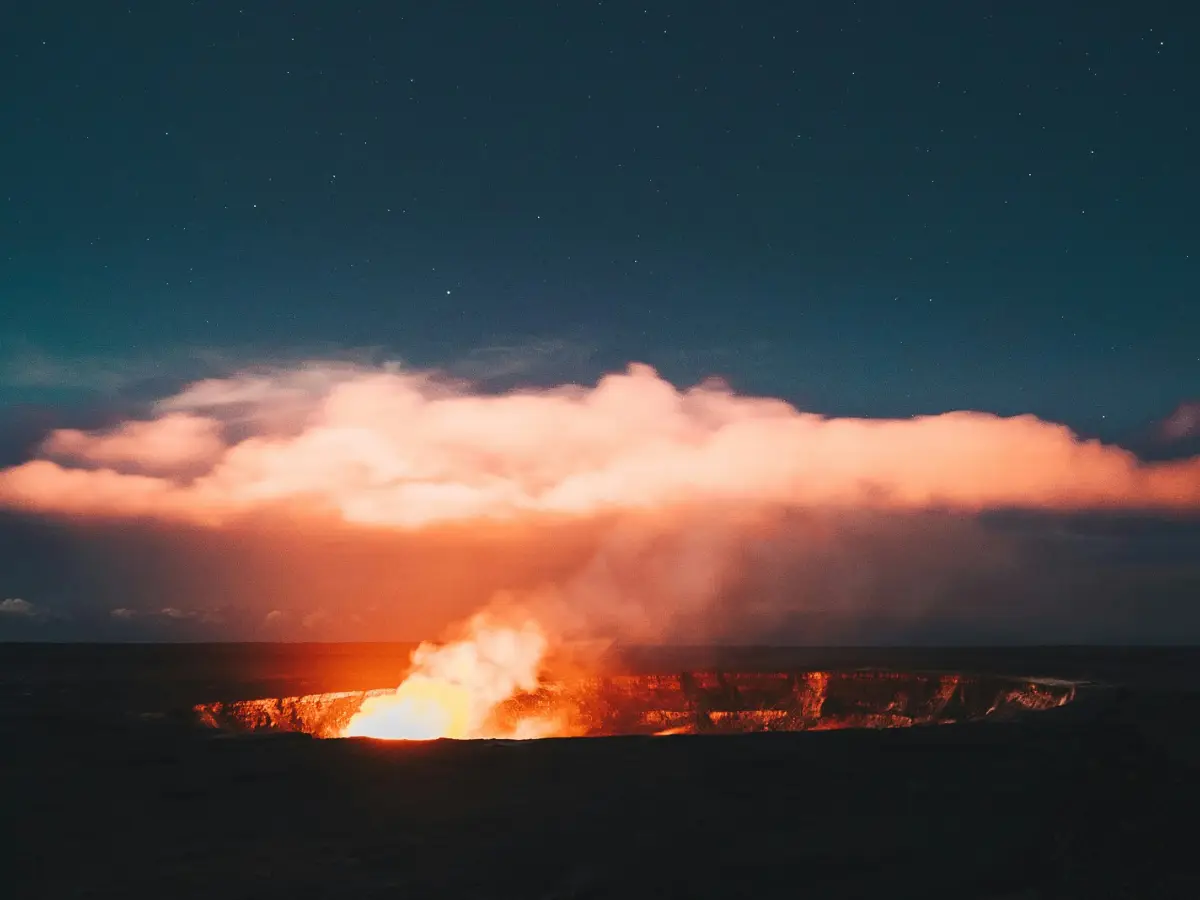
This collision will cause massive changes, like earthquakes, volcanic eruptions, and altered weather patterns.
The new landmass will also create a new 'ring of fire'.
Animals, especially in Australia, will face new challenges as their environment and the types of other animals around them shift dramatically.

Australia is moving north approximately 7 centimeters per year.
Asia and Australia are predicted to collide, forming a supercontinent called Amasia.
The collision will result in a new 'ring of fire' with increased volcanic activity.
The formation of Amasia is part of a cyclical pattern of continental movement.
Australian wildlife faces threats from new predators due to the changing environment.
- Who
- Scientists, geologists, and the continents of Asia and Australia.
- What
- The formation of a new supercontinent, Amasia, through the collision of Australia and Asia.
- When
- Over millions of years.
- Where
- The collision will primarily impact Asia and Australia, forming Amasia.
- Why
- Driven by the movement of tectonic plates, continuing a cycle of continental drift.
Environmental Changes
Future Geological Changes
Ecosystems
Environmental Changes
Changes to ecosystems, with potential for some environments becoming dry
Future Geological Changes
N/A
- Supercontinent Name
- Amasia
- Australia's Movement
- Approximately 7 cm per year northward
- Past Supercontinent
- Pangea
- Geological Effects
- Earthquakes, volcanic eruptions
- Wildlife Impact
- Threats to Australian animals due to new predators