

Archive · 31 Jan 2026
Indira Gandhi Nationalised 14 Banks in 1969
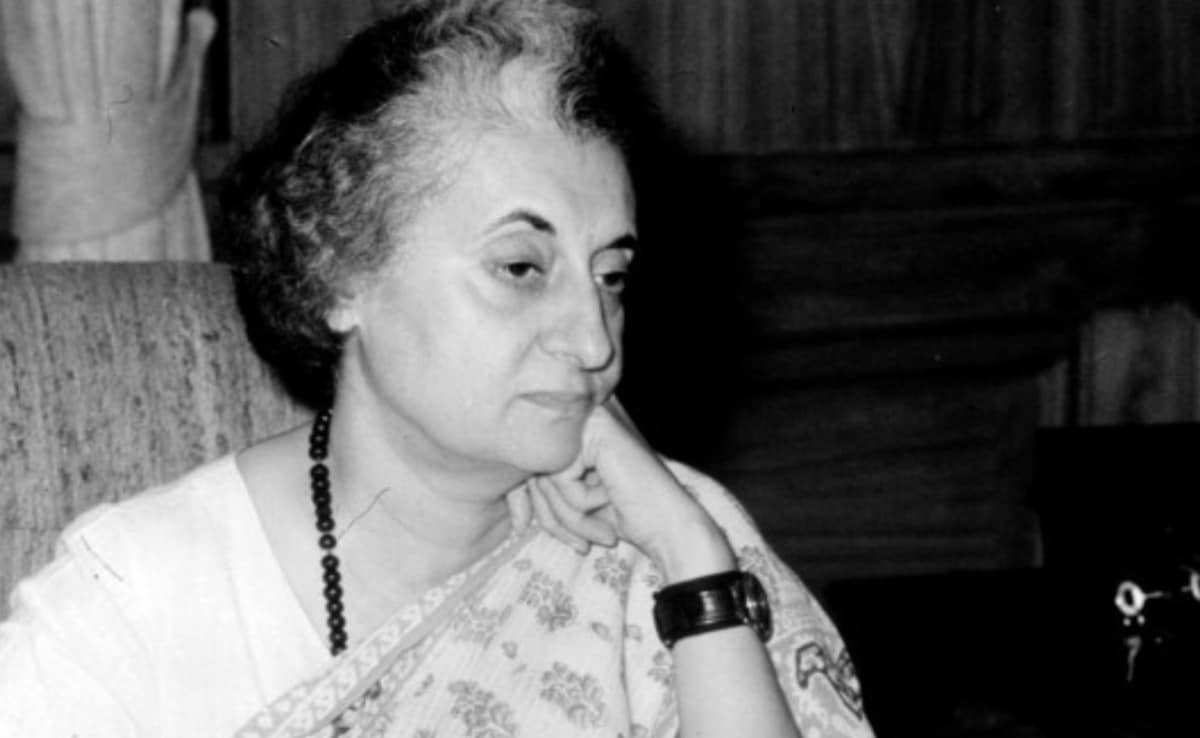
In 1969, Indira Gandhi, the Prime Minister of India, decided to take control of 14 big banks all at once.
This happened on the night of July 19.
The government did this to make sure banks helped the country grow in the way they wanted.
They wanted more people in rural areas to have access to banks and to give money to farmers and small businesses.
This was a big deal because it changed how banks worked in India.
Later, in 1980, Indira Gandhi did it again and took control of six more banks.
The Reserve Bank of India said this was one of the most important economic decisions made since India became independent in 1947.

Indira Gandhi nationalised 14 major Indian banks on July 19, 1969, without prior warning.
The move aimed to expand banking services to rural areas and channel credit towards agriculture and small industries.
After nationalisation, public sector banks accounted for 84% of total deposits and 82% of bank branches.
The decision was part of Indira Gandhi's socialist initiatives and was seen as a political move to consolidate her position.
A second wave of bank nationalisation occurred in 1980, bringing six more commercial banks under government control.
- Who
- Indira Gandhi, Prime Minister of India
- What
- Nationalisation of 14 major Indian banks
- When
- July 19, 1969
- Where
- India
- Why
- To align banking with national development goals, expand banking services into rural areas, and channel credit towards agriculture, small industries, and entrepreneurship
- Date of Nationalisation
- July 19, 1969
- Number of Banks Nationalised
- 14
- Percentage of Total Deposits
- 84%
- Percentage of Bank Branches
- 82%
- Second Wave of Nationalisation
- 1980
- Number of Banks After Second Wave
- 6