2 hrs ago
University of Hyderabad Professor Elected Indian National Science Academy Fellow
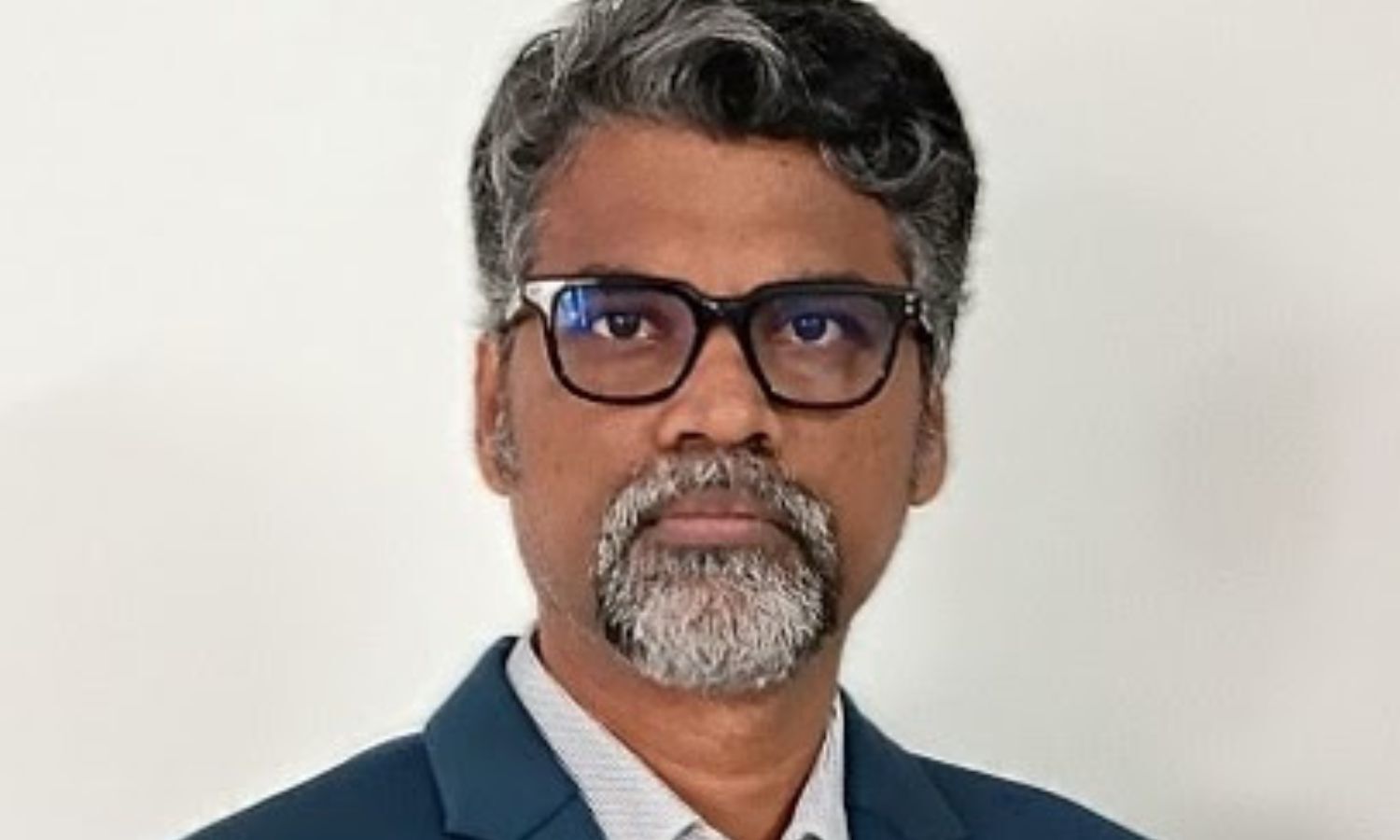
Rajadurai Chandrasekar is a chemistry professor at the University of Hyderabad.
He has been chosen as a Fellow of the Indian National Science Academy.
This fellowship will begin in January 2027.
It recognizes his research in materials science, nanoscience and photonics.
He will then belong to all three National Science Academies of India.
His team makes tiny systems that guide and control light.
These systems could be useful for communication, sensing, robots and space technology.
He also studies how artificial intelligence and soft materials can help create programmable optical devices.

Rajadurai Chandrasekar of the University of Hyderabad was elected an Indian National Science Academy Fellow.
His fellowship will take effect in January 2027.
The recognition honors his work in materials science, nanoscience and photonics.
Chandrasekar will become a Fellow of all three National Science Academies of India.
His research includes organic photonic microsystems, mechanophotonics and AI-driven soft materials for optical technologies.
- Who
- Prof. Rajadurai Chandrasekar of the School of Chemistry at the University of Hyderabad.
- What
- He was elected a Fellow of the Indian National Science Academy.
- Where
- The recognition concerns his work at the University of Hyderabad and in international materials science and photonics research.
- When
- The fellowship takes effect in January 2027.
- Why
- The fellowship recognizes his contributions to materials science, nanoscience and photonics.
Key facts
- Fellowship
- Indian National Science Academy Fellow
- Effective date
- January 2027
- Institution
- University of Hyderabad, School of Chemistry
- Research areas
- Materials science, nanoscience and photonics
- Additional fellowship
- Fellow of the Royal Society of Chemistry, United Kingdom
- Global ranking
- Listed among the top 2% of scientists globally in Nanoscience and Technology
- Research applications
- Optical communication, sensing, computation, robotics and space technologies
Sources
Related news
Coonoor Physicist Receives Prestigious German Research Fellowship

Tewari Seeks Chandigarh University for Semiconductor Research and Robotics

Valliappa Foundation Announces Three PhD Fellowships Honoring Prof Rajinder Kumar

Annapurni Subramaniam Becomes First Indian Woman to Win COSPAR Medal

Sixteen-Year-Old Anand Krishna Recognized for Quantum Technology Innovation

Elizabeth Holmes Documentary Revisits Theranos Fraud and Beliefs

Why Employers Must Adapt to Gen Z’s Three Workplace Values
QS 2026 Rankings Highlight Top Universities For Finance Careers

Doctor Lists Early Signs of Seven Nutritional Deficiencies