

Archive · 6 Jun 2025
Elephants: Ecosystem Engineers and Their Conservation Challenges
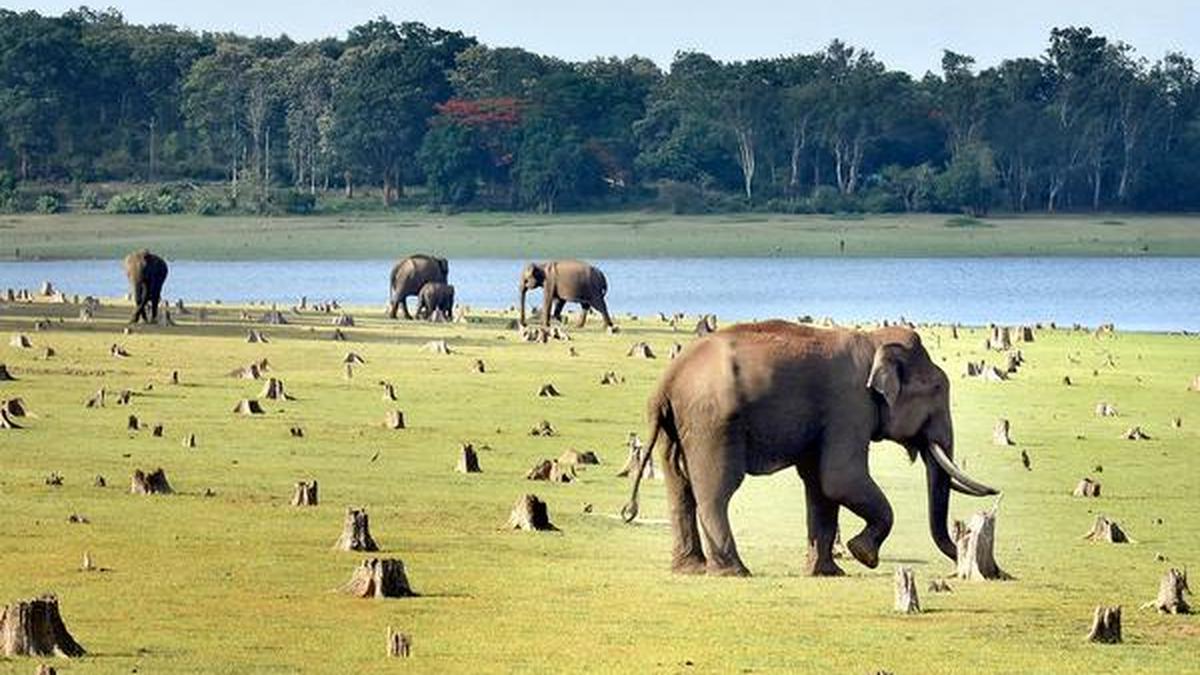
Elephants play a big role in the forest.
They eat a lot and poop a lot, which helps plants grow.
Their poop spreads seeds far and wide, like tiny farmers!
They also dig water holes for others to drink.
Sadly, because forests are shrinking and human development is increasing, elephants are losing their homes.
This can cause problems as elephants venture into farms.
Scientists and conservationists are working on solutions so that both elephants and people can live together peacefully.

Elephants consume large amounts of plant matter daily, contributing to forest regeneration.
Their dung disperses seeds, fostering new plant growth and supporting biodiversity.
Elephants also break branches, letting light reach the forest floor, which aids plant growth.
Elephants create water holes, benefiting other forest animals.
Habitat loss and human activities threaten elephant populations, causing conflict with people.
- Who
- Elephants, dung beetles, farmers, conservationists, and various forest animals.
- What
- Elephants provide vital ecosystem services like seed dispersal, habitat modification, and water source creation; however, habitat loss and human activity are creating issues for their survival.
- When
- Published June 6, 2025
- Where
- Forests and areas near human settlements.
- Why
- Elephants' habitats are diminishing due to human activities, causing conflict and population decline.
Farmers
Conservationists
Human-Elephant Conflict
Farmers
Elephants raid farmers' fields, causing anger.
Conservationists
Conservationists seek peaceful coexistence between humans and elephants.
- Daily Food Consumption
- 90-180 kg
- Seed Dispersion Distance
- More than 60 km
- Beneficiary of Elephant Dung
- Dung beetles
- Another Benefit
- Dig water holes
- Reason for elephant's decline
- Forests shrinking
- Photo location
- Udhagamandalam-Kotagiri Road
- Publication Date
- June 06, 2025