

Archive · 21 Nov 2025
UK's Wallaby Population Explodes, Sparking Debate on Control Measures
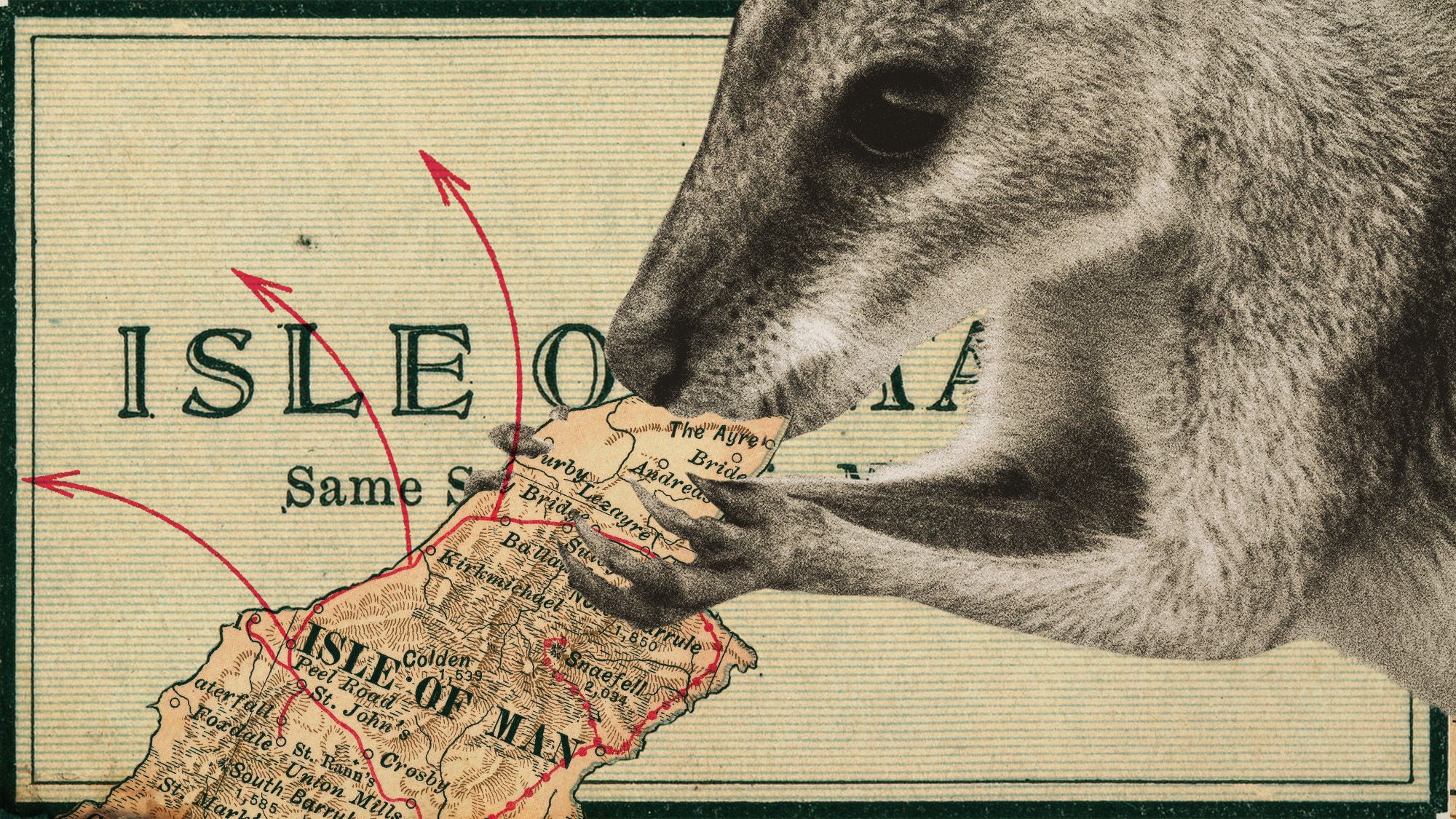
Wallabies, once kept in zoos and private collections, have escaped and multiplied in the UK.
Now, there are so many that they're causing problems.
Some people want to reduce their numbers, but others think they're part of the country's identity.

Wallaby population on the Isle of Man has risen to over 1,200
Wallabies are thriving in the UK's mild climate and abundant space
Locals in various regions have stopped reporting sightings due to their commonality
A cull is being considered on the Isle of Man to control the wallaby population
Wallabies pose environmental and agricultural threats, such as spreading parasites and damaging fences
- Who
- Wallabies, locals, farmers, ecologists
- What
- Wallabies are multiplying and causing environmental and agricultural issues
- When
- Over time, starting from the 19th century, with a recent boom on the Isle of Man
- Where
- UK, Isle of Man, various regions including Chiltern Hills, Cornwall, Wiltshire, Cumbria, Yorkshire, Northumberland
- Why
- Due to the UK's mild climate, abundant space, and lack of predators
Pro-Cull
Anti-Cull
Environmental Impact
Pro-Cull
Wallabies cause damage to native vegetation and disturb local wildlife
Anti-Cull
Wallabies are a tourist attraction and part of Manx national identity
- Original Arrival
- 19th century for zoos and private collections
- Isle of Man Arrival
- 1965, as inmates of a wildlife park
- Current Population (Isle of Man)
- Over 1,200
- Potential Threat
- Spreading toxoplasmosis parasite and damaging fences
- Tourist Attraction Status
- Yes, on the Isle of Man