

Archive · 26 Sep 2025
CBC Test: What It Is and How It Helps Detect Health Issues
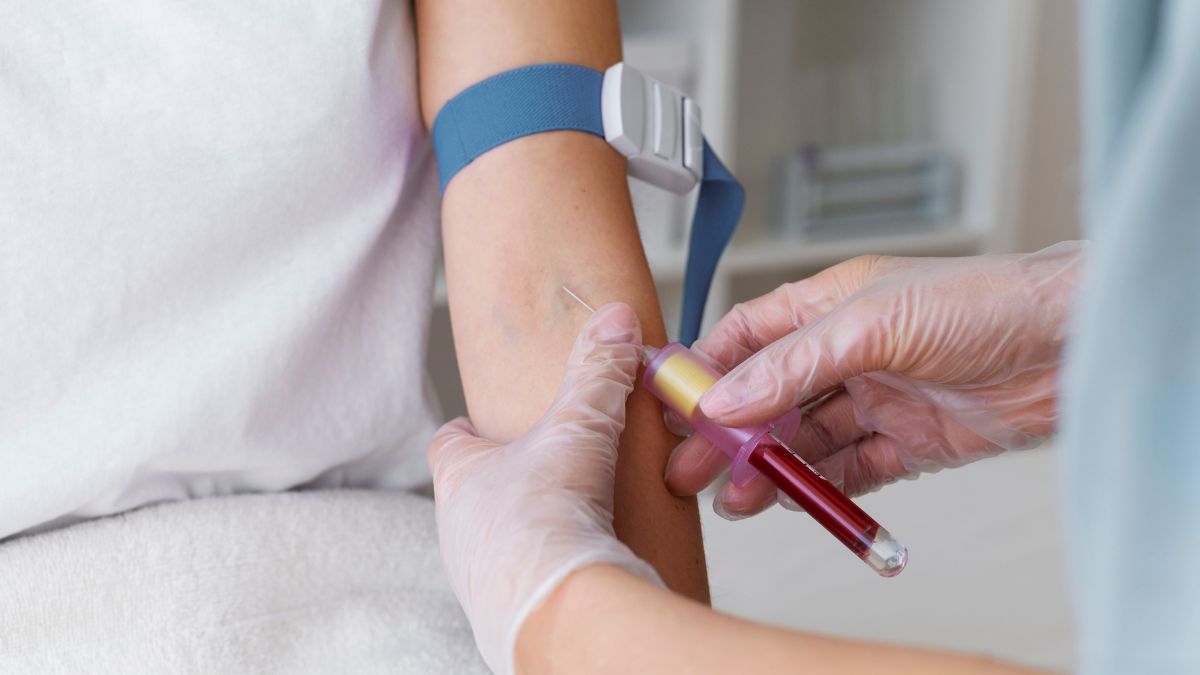
Imagine your blood is like a delivery service in your body.
The CBC test is like a check-up of that delivery service.
It checks the number of red blood cells (the oxygen carriers), white blood cells (the infection fighters), and platelets (the clot makers).
If those numbers are off, it can mean you have a problem like an infection, anemia, or even early signs of serious illnesses like cancer.
This test helps doctors find problems early, so you can get help sooner and stay healthy longer.

The CBC test is a common blood test providing insight into overall health.
It measures red blood cells, white blood cells, and platelets.
Low red blood cell levels can indicate anemia or nutritional deficiencies.
Abnormal white blood cell levels may indicate infections or bone marrow issues.
Platelet abnormalities can signal bleeding disorders or immune system problems.
- Who
- Doctors recommend it, especially for adults over 30.
- What
- A Complete Blood Count (CBC) test.
- When
- Recommended as part of routine check-ups.
- Where
- Performed in a medical setting, from which the data is then evaluated.
- Why
- To provide a snapshot of internal health and detect early signs of conditions.
- Test Name
- Complete Blood Count (CBC)
- Purpose
- To assess overall health and detect various conditions
- Key Components Measured
- Red blood cells, white blood cells, and platelets
- Conditions Detected
- Infections, anemia, bleeding disorders, and certain cancers
- Benefits
- Early detection of health issues and prompt intervention
- Recommended For
- Adults over 30 and those with a family history of chronic illnesses