3 days ago
Islamic State Shifts South India Focus From Attacks to Radicalisation
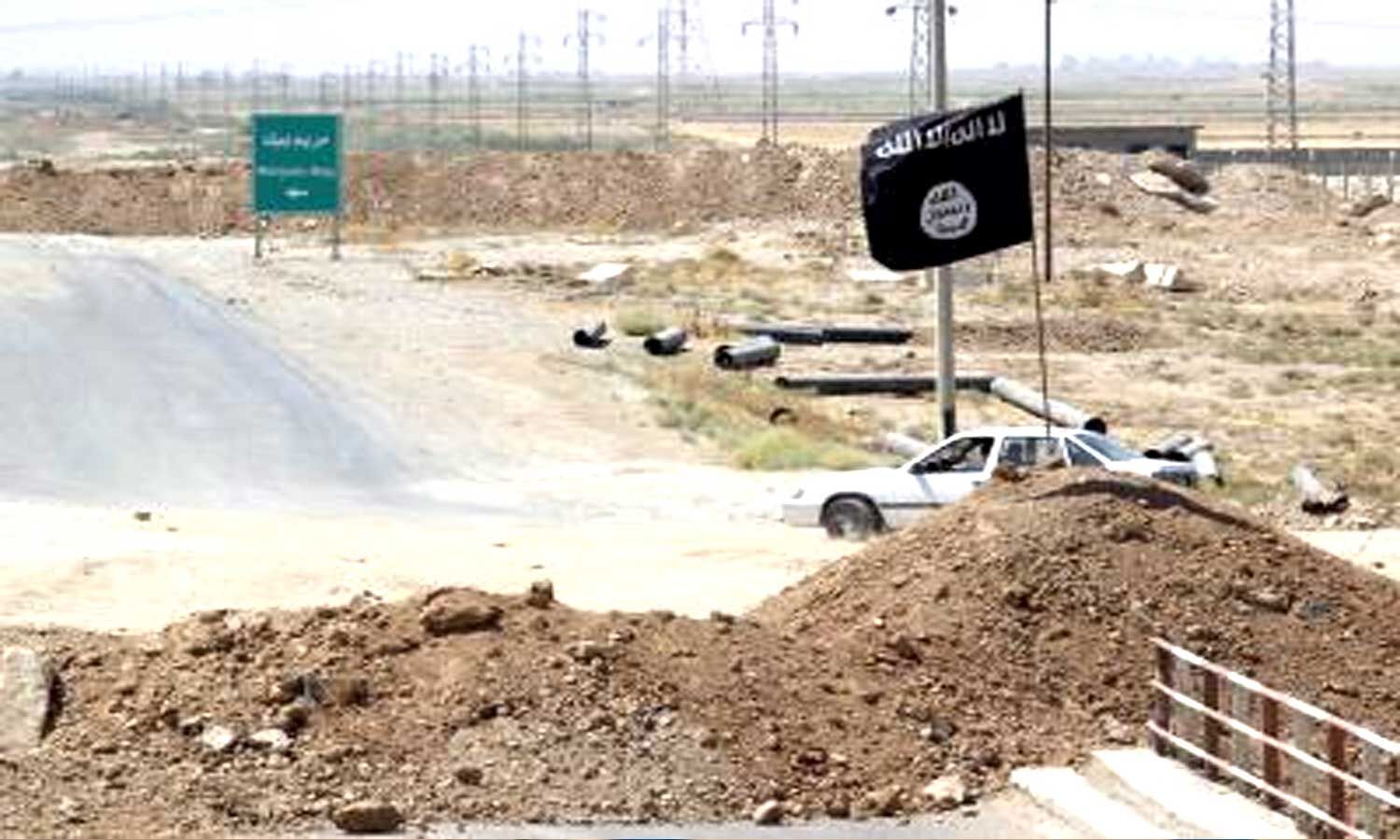
Security officials say the Islamic State is changing how it operates in South India.
Instead of always planning attacks, it is focusing on changing people’s beliefs and encouraging radical ideas.
This is called radicalisation.
Officials say such activity is harder to detect because there may be no organized attack plan.
The group reportedly tells followers to avoid large meetings and speak privately with one or two people.
It also uses propaganda channels, encrypted communications, and word of mouth.
Tamil Nadu and Kerala are considered important areas of concern.
Officials still warn that some highly radicalised people could carry out attacks on their own.
They say the Islamic State grew after other groups, including the National Thowheed Jamath and Popular Front of India, were weakened.

The Islamic State is reportedly emphasizing radicalisation and propaganda over establishing terror modules in South India.
Tamil Nadu and Kerala have been identified as major areas of concern for security agencies.
Officials say radicalisation-only networks are harder to detect and investigate than terror cells or lone-wolf plots.
The group reportedly promotes small, discreet discussions and word-of-mouth recruitment through encrypted channels.
The Islamic State expanded into space left by the weakened National Thowheed Jamath and Popular Front of India.
- Who
- The Islamic State, its followers, and Indian security agencies are central to the report; the National Thowheed Jamath and Popular Front of India are also discussed.
- What
- The Islamic State is reportedly prioritizing radicalisation modules and propaganda over organized terror modules, while the possibility of lone-wolf attacks remains.
- Where
- South India, especially Tamil Nadu and Kerala; private discussions are reportedly held in places such as restaurants, offices, colleges, or events.
- When
- The shift is described as developing over the past several years, particularly after the weakening of the National Thowheed Jamath.
- Why
- Officials say radicalisation networks are harder to detect and may be less likely to fail than organized terror cells, while the Islamic State also benefited from ideological space left by weakened groups.
Key facts
- Main concern
- The Islamic State’s reported emphasis on radicalisation rather than direct attack planning.
- Primary region
- South India, particularly Tamil Nadu and Kerala.
- Communication methods
- Propaganda channels, encrypted communications, and word-of-mouth discussions.
- Recruitment pattern
- Followers are reportedly advised to avoid large gatherings and speak privately in pairs or small settings.
- Related security threat
- Officials have not ruled out lone-wolf attacks by highly radicalised individuals.
- Earlier groups mentioned
- The National Thowheed Jamath and Popular Front of India were described as weakened, with some followers allegedly moving toward the Islamic State.
Sources
Related news

Islamic State shifts India recruitment from foreign travel online
Intelligence Agencies Warn of Independent Islamic State Modules Across India

AQAP Propaganda Linked to Red Fort Blast Plot in India
NIA Chargesheets Nine Over ISIS Online Radicalisation Plot
NIA Chargesheets Nine in Vijayawada Online Radicalisation Case
Pakistan Terror Groups Shift Camps From PoK Toward Punjab
Ajit Doval Calls IIT Roorkee Class of 2025 Luckiest Generation

Ajit Doval Recalls Career Crisis After Border Team Capture
Pakistan Police Compound Attack Death Toll Rises To 31
Indian Creators Targeted in Alleged ISI Digital Campaign