Archive · 31 Jan 2026
India-EU Regulators Aim to Re-Recognize Clearing Houses

India and the European Union are working together to allow five Indian clearing houses to be recognized again by the EU.
This is important because the EU had previously stopped recognizing these clearing houses, which made things more expensive for European banks.
The Indian and EU regulators are now trying to make a new agreement to fix this issue.
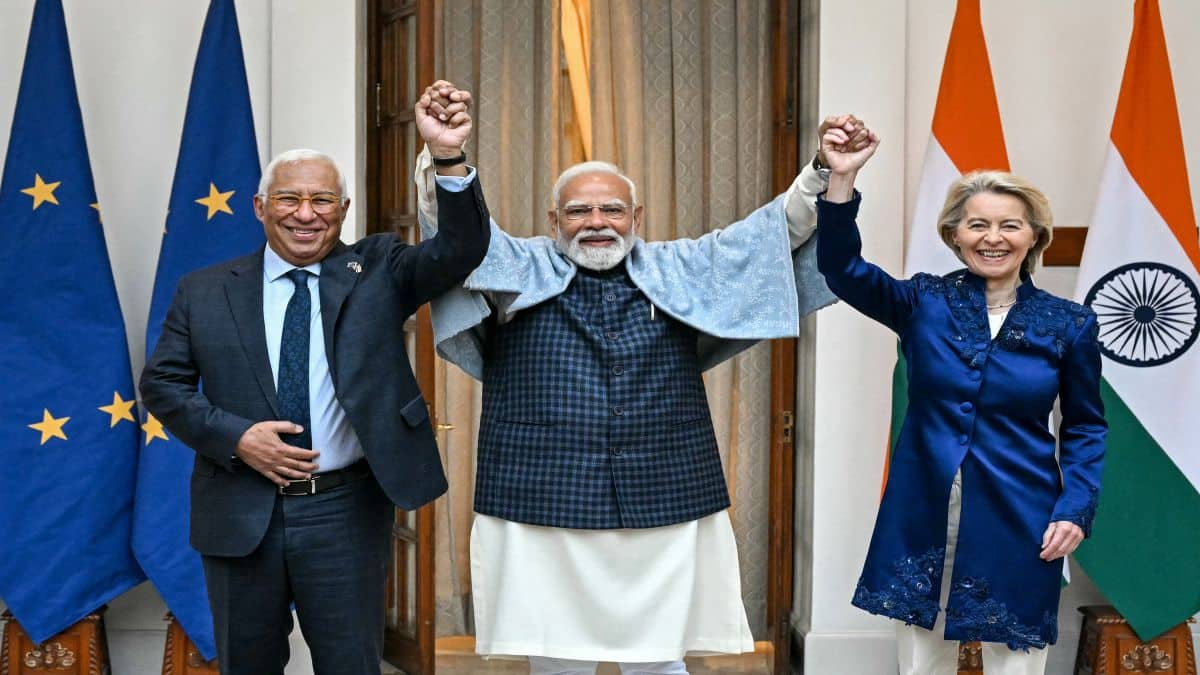
This comes at a time when India and the EU are becoming closer, as they recently signed a free trade agreement.
The new agreement could make it easier for banks to do business and might help India's economy grow.

Sebi and IFSCA are in talks with ESMA to re-recognize five Indian clearing houses.
The move follows an agreement between RBI and ESMA on information sharing.
The EU had previously withdrawn recognition of six Indian clearing houses in October 2022.
A new agreement would allow these clearing houses to reapply and ease operations for European banks.
The regulatory push coincides with a broader warming of India-EU ties, including a free trade agreement.
- Who
- Sebi, IFSCA, ESMA, RBI, Indian and European banks
- What
- Potential re-recognition of Indian clearing houses by the EU
- When
- Within 60 days (Sebi), 1-2 months (IFSCA)
- Where
- India and the European Union
- Why
- To ease operational and settlement procedures for European banks and boost investor confidence
- Regulators Involved
- Sebi, IFSCA, ESMA, RBI
- Clearing Houses Affected
- 6 (CCIL, ICCL, IICCL, NSE Clearing, NSE IFSC Clearing, MCX Clearing)
- Agreement Timeline
- Within 60 days (Sebi), 1-2 months (IFSCA)
- Previous Agreement Expiry
- October 2022, deferred until April 2023
- Impact on EU Banks
- Higher capital requirements, temporary contingency arrangements
- Broader Context
- India-EU free trade agreement signed on 27 January