

Archive · 1 Feb 2026
Bamboo Barriers Highlight Security Risks at Unfenced Bengal-Bangladesh Border
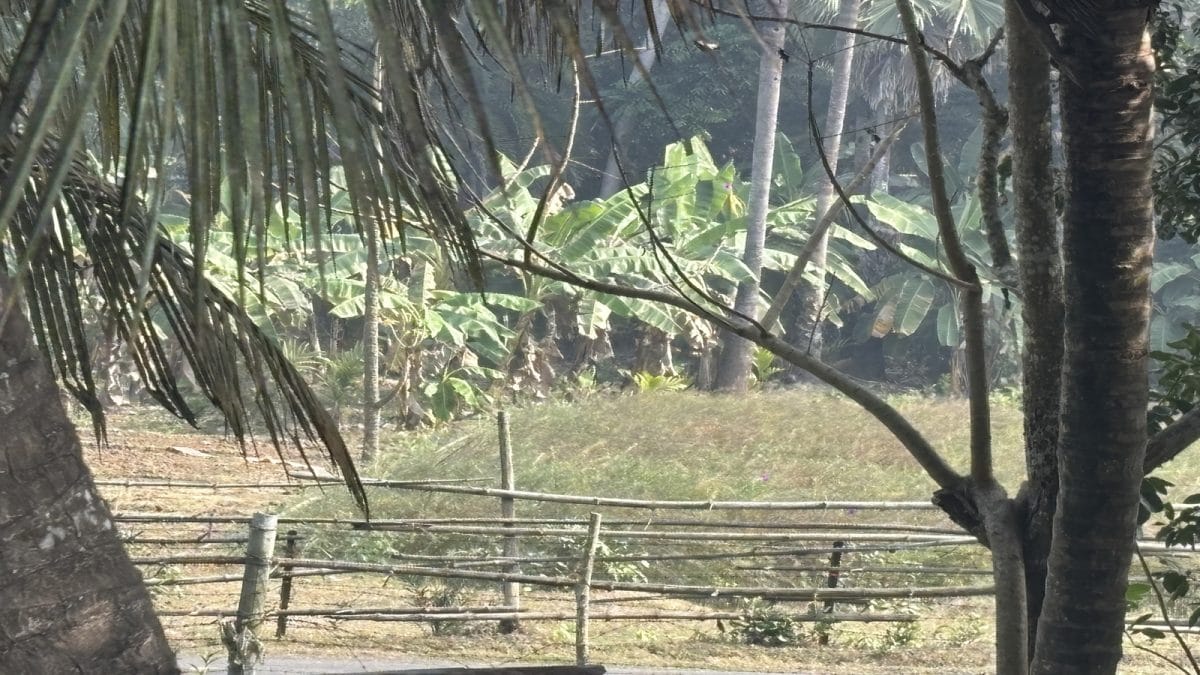
The border between West Bengal, India, and Bangladesh has some areas without proper fencing.
Instead, there are weak bamboo barriers that can be easily broken.
This makes it easier for people to cross the border illegally, which worries the local residents.
The Indian government has asked the West Bengal government to give land to build proper fencing by the end of March 2026.
Until then, people living near the border live in fear of smugglers and infiltrators.
The Border Security Force (BSF) is present, but the lack of permanent fencing is a big concern for everyone.

The Calcutta High Court has directed the West Bengal government to hand over land for border fencing by March 31, 2026.
Over 500 km of the 2,217 km border between West Bengal and Bangladesh remains unfenced.
Makeshift bamboo barriers are currently in place, which are easily breakable and pose security risks.
Local residents express fear and concern over infiltration, smuggling, and criminal activities due to the lack of permanent fencing.
The BSF is present but the absence of permanent fencing underlines the urgent need for proper border security measures.
- Who
- Border Security Force (BSF), West Bengal government, local residents
- What
- Unfenced border areas with makeshift bamboo barriers
- When
- Current situation, deadline for fencing by March 31, 2026
- Where
- Nadia district, specifically Ranaghat-Duttaphulia region, West Bengal, India
- Why
- Security concerns due to infiltration, smuggling, and criminal activities
- Location
- Nadia district, West Bengal, India
- Border Length
- 2,217 km (500+ km unfenced)
- Deadline for Fencing
- March 31, 2026
- Current Barriers
- Makeshift bamboo structures
- Security Concerns
- Infiltration, smuggling, criminal activities