

Archive · 19 May 2025
Famine Inscription from 1539 Discovered in Karnataka's Haveri
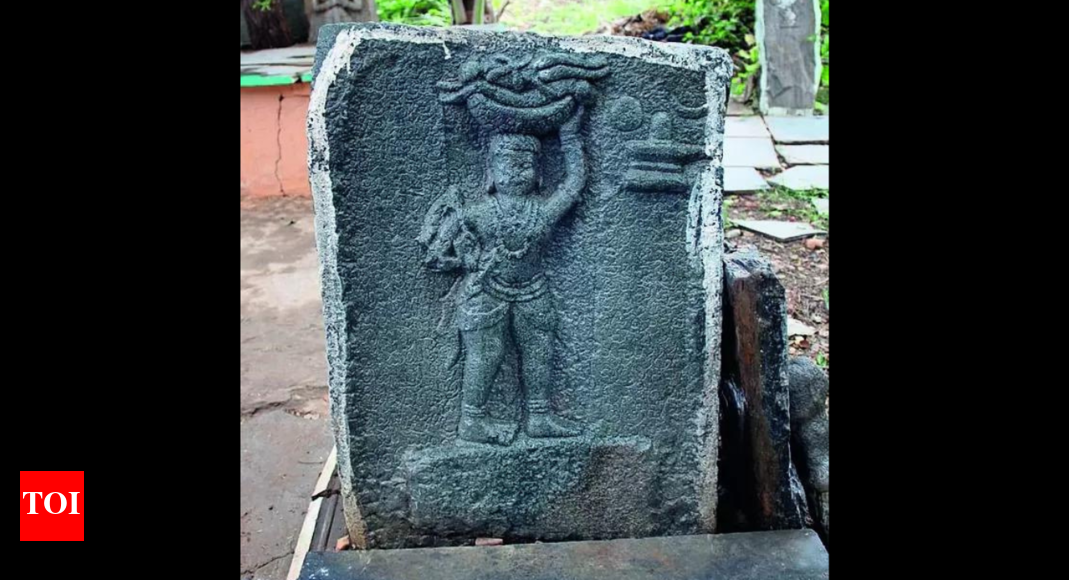
Imagine a really, really bad time when there wasn't enough food.
A long time ago, in 1539, there was a terrible famine in a place called Guttal.
People were dying because they didn't have anything to eat.
A man named Marulayya helped by taking care of the bodies of over six thousand people who died.
This event was written about on a special stone with a picture.
The writing also says the date and who was the ruler at the time.
This stone helps us learn about what happened long ago.

An archaeological find was discovered near the Guttal Chandrashekhara Temple in Haveri taluk.
The discovery includes a Kannada inscription and a sculpture.
The inscription describes a famine that struck the Guttal region in 1539.
Marulayya conducted final rites for 6,307 bodies during the famine.
The inscription dates back to August 18, 1539, during Achyutaraya's reign.
- Who
- Marulayya, son of Nannideva Odeya, and the local ruler Pattada Timmaswamy.
- What
- Discovery of an inscription and sculpture detailing a famine in 1539.
- When
- August 18, 1539, during Achyutaraya's Vijayanagar reign.
- Where
- Haveri taluk, near Guttal Chandrashekhara Temple in Karnataka
- Why
- The inscription documents the effects of a devastating famine in 1539.
- Location
- Haveri taluk, Karnataka
- Year of Famine
- 1539
- Ruler during the time
- Achyutaraya
- Individual mentioned in the inscription
- Marulayya
- Number of bodies Marulayya performed rites for
- 6,307