

Archive · 15 Jan 2026
SGPGIMS Develops End-of-Life Care Guidelines
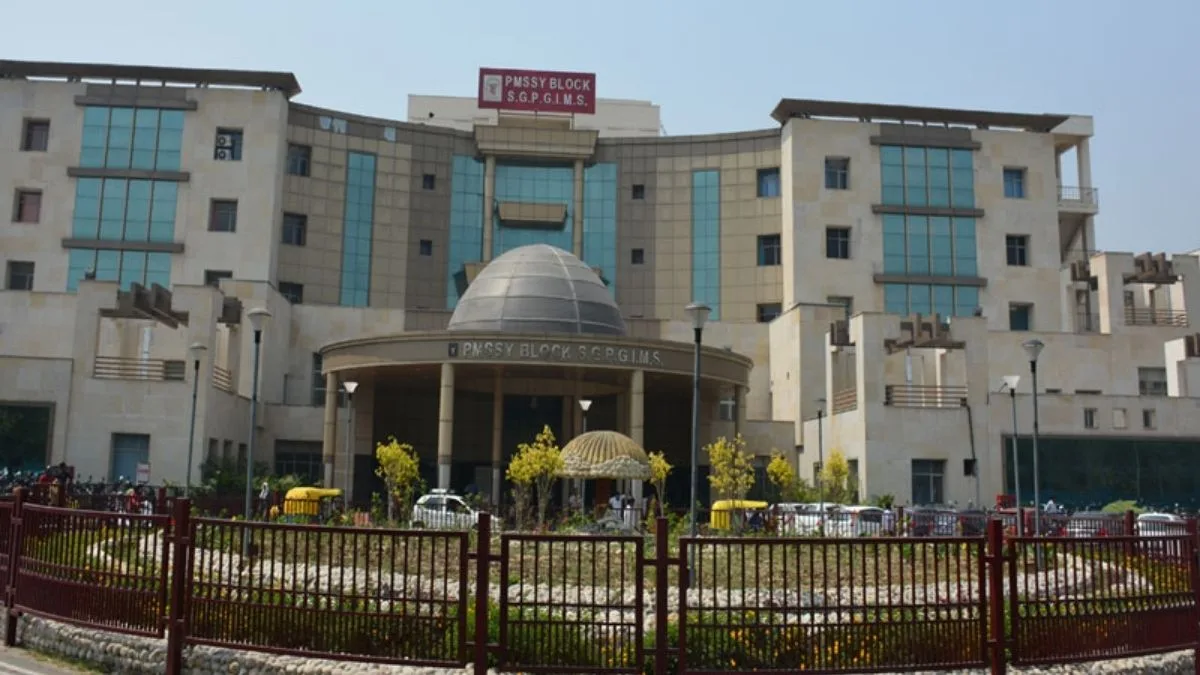
The Sanjay Gandhi Postgraduate Institute of Medical Sciences (SGPGIMS) in Lucknow has created a set of rules called a Standard Operating Procedure (SOP) for taking care of very sick patients who might not get better.
This is called ‘End-of-Life Care.’
On January 16, they will hold a workshop to teach these rules to doctors and health experts.
The rules help doctors decide when to stop treatments that keep a person alive but might be causing more suffering.
The Supreme Court has made it easier to follow these rules.
Additionally, the Supreme Court is deciding whether to allow a father to withdraw life support for his son, who has been in a coma for over 12 years.
Some people think it is right to stop treatment to relieve suffering, while others believe treatment should continue.

SGPGIMS, Lucknow, has developed an SOP for ‘End-of-Life Care’ to guide doctors in handling incurable patients.
An awareness workshop will be held on January 16 in a hybrid mode to share the SOP with health experts.
The SOP addresses the ethical and legal aspects of withdrawing life-sustaining treatments.
The Supreme Court reserved judgment on a plea seeking passive euthanasia for a man in a coma for over 12 years.
The Supreme Court simplified the process for withdrawing life-sustaining treatment in January 2023.
- Who
- Sanjay Gandhi Postgraduate Institute of Medical Sciences (SGPGIMS), Lucknow and the Supreme Court of India
- What
- Developed a Standard Operating Procedure (SOP) on ‘End-of-Life Care’ and heard a plea for passive euthanasia
- When
- Workshop to share the SOP on January 16; Supreme Court reserved judgment on January 15
- Where
- Lucknow, Uttar Pradesh and New Delhi
- Why
- To provide guidelines for handling end-of-life care and to decide on the withdrawal of life support for a comatose patient
Pro-Euthanasia
Anti-Euthanasia
Withdrawal of Life Support
Pro-Euthanasia
Advocates for withdrawing life support to relieve suffering, as seen in the case of Harish Rana, who has been in a vegetative state for over 12 years.
Anti-Euthanasia
Opposes withdrawal of life support, arguing for continued care and treatment, as the patient is not on mechanical support and can sustain himself without extra external aid.
- Institute
- Sanjay Gandhi Postgraduate Institute of Medical Sciences (SGPGIMS), Lucknow
- Department
- Critical Care Medicine
- Workshop Date
- January 16
- Workshop Mode
- Hybrid (online and offline)
- Legal Recognition
- Advance Medical Directives and withdrawal of life-sustaining treatment
- Process Simplification
- January 2023 by the Supreme Court
- Guidelines Publication
- Mid-2024 on the Ministry of Health and Family Welfare website
- Key Official
- Amit Ghosh, Uttar Pradesh Additional Chief Secretary
- Patient
- Harish Rana
- Patient Condition
- Comatose for over 12 years
- Court Decision
- Reserved judgment on passive euthanasia plea

