

1 month ago
Pelvic Floor Health: The Overlooked Aspect of Women's Wellness
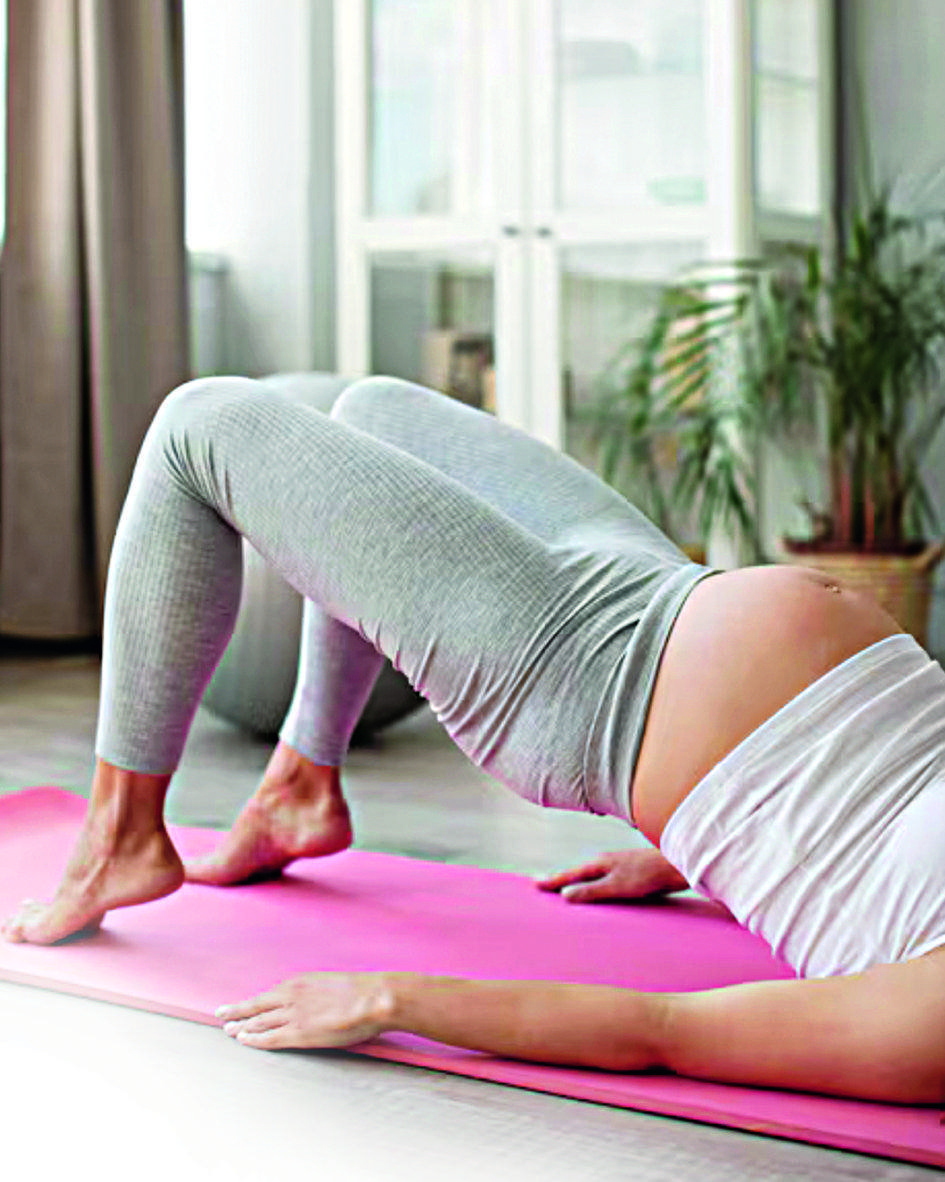
The pelvic floor is a group of muscles that support the bladder, uterus, and bowel, and play a vital role in continence, sexual function, and core stability.
Despite its importance, many women are unaware of the pelvic floor until they experience symptoms such as urine leakage, pelvic pain, or a sensation of heaviness.
These symptoms are often dismissed as natural consequences of childbirth, ageing, or menopause, leading to delayed diagnosis and treatment.
Experts argue that early education about pelvic floor health can help women recognize problems sooner and adopt healthy habits.
They also emphasize that pelvic floor issues are not always caused by weak muscles and that a one-size-fits-all approach, such as Kegel exercises, can sometimes do more harm than good.
By breaking the silence and promoting open discussions about pelvic floor health, millions of women can avoid years of unnecessary discomfort and preventable health complications.

The pelvic floor is a crucial but often overlooked aspect of women's health.
Symptoms such as urine leakage and pelvic pain are common but not normal and should be addressed.
Early education and awareness can help women recognize problems sooner and adopt healthy habits.
Pelvic floor issues are not always caused by weak muscles; overactive or excessively tight muscles can also cause problems.
Open discussions about pelvic floor health can empower women to seek treatment without shame and improve their quality of life.
- Who
- Women across different stages of life, including young athletes, new mothers, and women approaching menopause.
- What
- Pelvic floor health is often overlooked, leading to delayed diagnosis and treatment of related issues.
- Where
- Pelvic floor disorders affect women globally, with cultural taboos and misconceptions preventing open discussions.
- When
- Pelvic floor health should be addressed early, not just after pregnancy or when problems develop.
- Why
- Lack of awareness and education about pelvic floor health leads to unnecessary discomfort, delayed diagnosis, and preventable health complications.
Early Awareness and Education
Cultural Taboos and Misconceptions
Education and Awareness
Early Awareness and Education
Early education about pelvic floor health can help women recognize problems sooner and adopt healthy habits.
Cultural Taboos and Misconceptions
Cultural taboos and misconceptions prevent open discussions about pelvic floor health, leading to delayed diagnosis and treatment.
Treatment Approaches
Early Awareness and Education
Pelvic floor issues can be managed through pelvic floor physiotherapy, lifestyle changes, medication, or other appropriate medical interventions.
Cultural Taboos and Misconceptions
The belief that Kegel exercises are a universal solution can sometimes do more harm than good, as pelvic floor issues can be caused by overactive or excessively tight muscles.
Key facts
- Pelvic Floor Function
- Supports bladder, uterus, and bowel; plays a vital role in continence, sexual function, and core stability.
- Common Symptoms
- Urine leakage, pelvic heaviness, pain during intercourse, constipation, frequent urgency.
- Misconceptions
- Pelvic floor problems are often dismissed as natural consequences of childbirth, ageing, or menopause.
- Treatment Options
- Pelvic floor physiotherapy, lifestyle changes, medication, or other appropriate medical interventions.
- Awareness Importance
- Early education can help women recognize problems sooner and prevent complications.
Sources
Related news

Nvidia’s RTX Spark AI PCs From Lenovo, Acer Launch October

Bishworjit Konthoujam Ends Vaibhav Sooryavanshi’s Duleep Trophy Debut

India’s Expanding Global Footprint Across BRICS, Quad and G20

New model maps Delhi’s traffic noise across urban landscape

Reliance Explores Aluminium Production Through Odisha Bauxite and Coal Gasification