1 hr ago
Palaj’s Ancestral Wooden Ganapati Tradition Draws Lakhs of Devotees
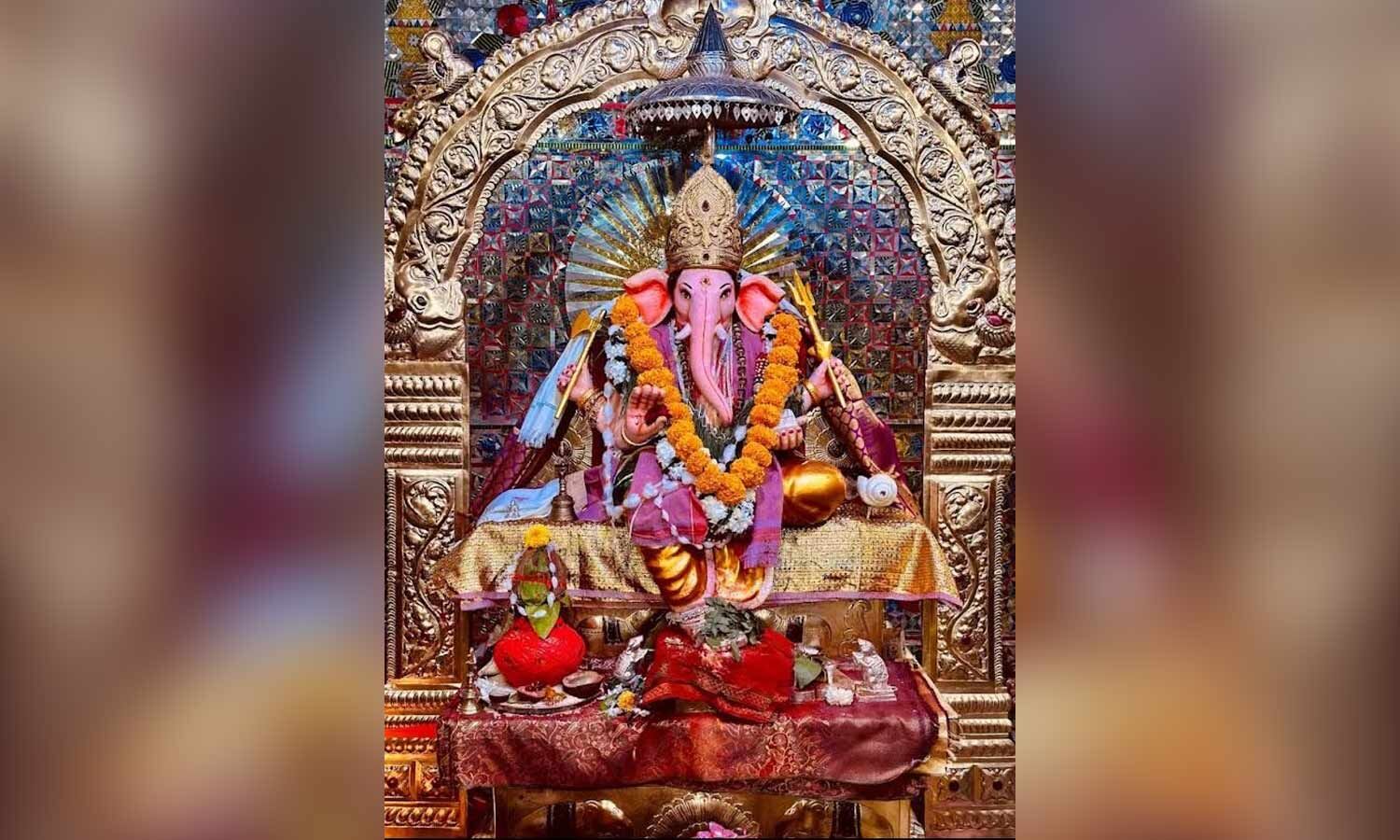
Palaj is a village in Telangana with a special Ganapati festival.
The village has used the same wooden idol since 1948.
That year, people faced disease and famine.
Village elders decided to create and worship the idol for help.
Artisans from Nirmal carved it after earlier attempts did not work.
Villagers later believed their prayers helped ease the troubles.
The idol is worshipped for 11 days each year during Vinayaka Chavithi.
On the last day, people sprinkle water on it instead of fully immersing it.
The idol is then returned to the temple for safekeeping.
More than seven lakh people come to the festival from several states.

Palaj village has worshipped the same wooden Ganapati idol since 1948.
Villagers commissioned the idol during a year marked by plague, cholera and famine.
Nirmal wooden-toy artisans led by Gundaji Varmalu carved the idol.
The idol is worshipped for 11 days during every Vinayaka Chavithi festival.
More than seven lakh devotees visit annually from four states, with temple-arranged food and facilities.
- Who
- Palaj villagers, temple authorities, artisans led by Gundaji Varmalu, and devotees from Telangana, Maharashtra, Chhattisgarh and Madhya Pradesh.
- What
- An annual 11-day festival worshipping a wooden Ganapati idol made in 1948.
- Where
- Palaj village in Kubheer mandal, Nirmal district, near the Maharashtra border.
- When
- Every Vinayaka Chavithi; the idol tradition began in 1948.
- Why
- The idol was created during plague, cholera and famine, as villagers hoped worship would help overcome the hardships.
Key facts
- Tradition began
- 1948
- Festival duration
- 11 days
- Annual attendance
- More than seven lakh devotees
- Idol material
- Wood
- Artisans
- Nirmal wooden-toy artisans led by Gundaji Varmalu
- Final-day ritual
- Water is sprinkled over the idol before it is returned to the temple
- Pilgrim services
- Temple authorities arrange annadanam and other facilities
Sources
Related news
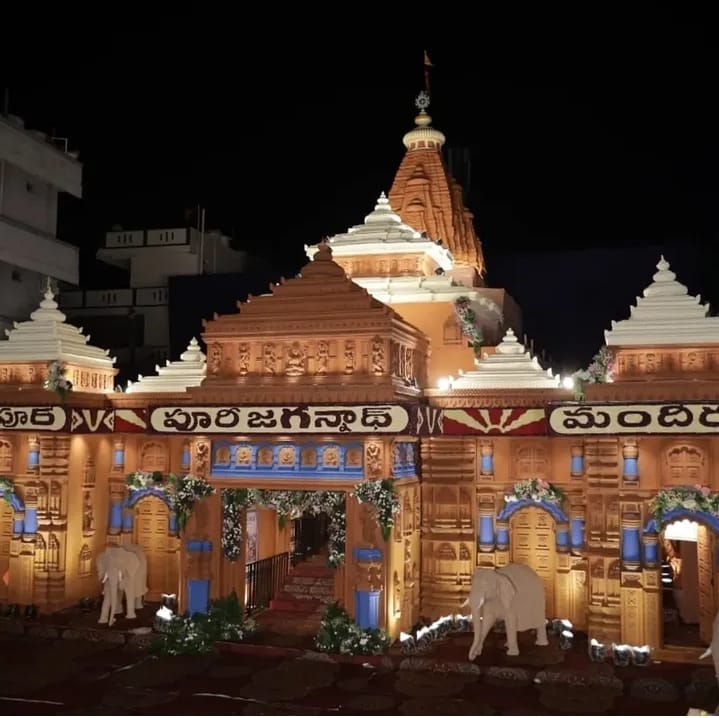
Balapur Ganesh Draws Devotees With Puri Temple-Themed Pandal

Ayinavilli Vinayaka Festival Expected to Draw 65,000 Devotees
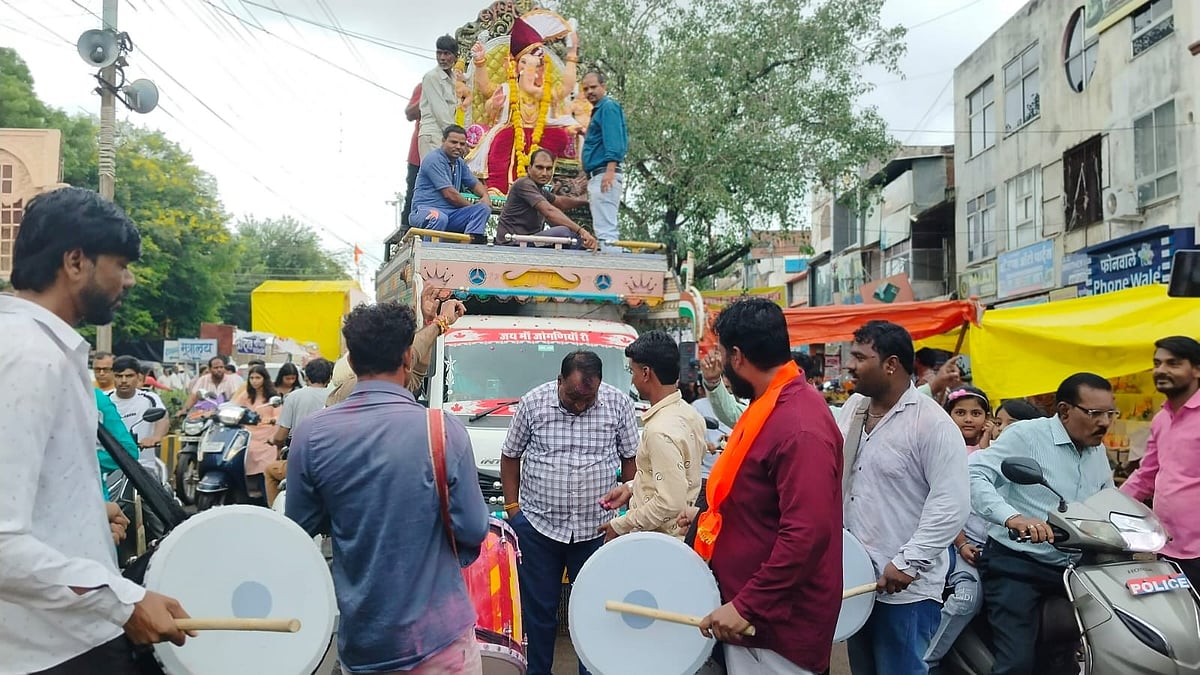
Ganesh Chaturthi Celebrations Fill Madhya Pradesh With Processions and Pandals
Eco-Friendly Vinayaka Idols Reach 1,000 Devotee Groups Across Tirupati Region
Manginapudi Beach to Host 10-Day Maha Ganapati Celebrations
Innovative Ganesh Pandals Feature Cashews, Paddy and Sacred Powders