

1 week ago
Trump Targets 1,000 Annual US Launches, Lunar Return by 2028
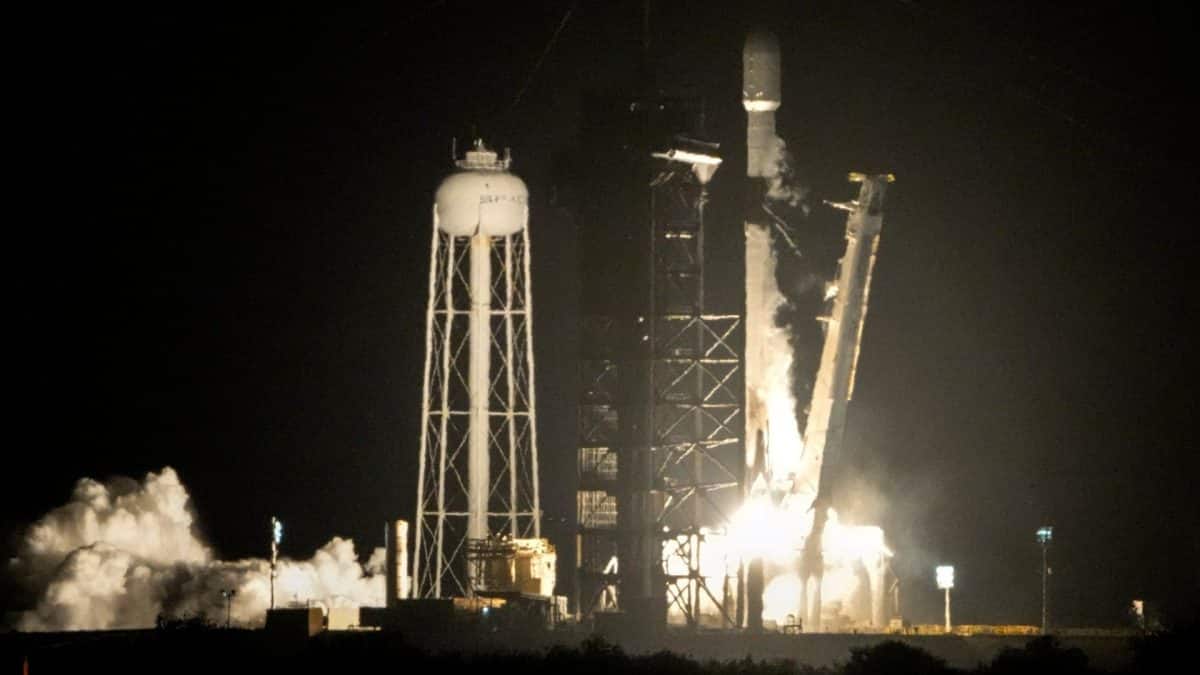
President Donald Trump signed a plan to help private companies launch more rockets from the United States.
The plan aims for at least 1,000 launches and returns from space each year by 2030.
There were 178 launches last year, and SpaceX made up much of the recent increase.
Government agencies will look for federal land that could be used for launch and re-entry sites.
They must also find a new federal re-entry site within 90 days.
The plan asks officials to make permits and environmental reviews faster.
It also calls for special airspace, better air-traffic systems, and enough wireless spectrum for launches.
Trump wants American astronauts to return to the Moon by 2028.
NASA would support commercial trips to the Moon, robotic Mars missions, and studies of commercial human missions to Mars.

President Donald Trump signed a memorandum seeking at least 1,000 US space launches and re-entries annually by 2030.
The target would rise from 178 launches last year, with SpaceX accounting for much of recent growth.
Federal agencies must identify government land for commercial launch and re-entry sites, including a new re-entry site within 90 days.
The policy calls for faster permits and environmental reviews, priority launch airspace, updated air-traffic controls, and sufficient wireless spectrum.
Trump wants US astronauts back on the Moon by 2028, while NASA supports commercial lunar transport, robotic Mars missions, and possible commercial human missions to Mars.
- Who
- President Donald Trump, federal agencies, NASA, and private space companies, including SpaceX.
- What
- Trump signed a memorandum promoting commercial space transportation and setting a goal of at least 1,000 launches and re-entries annually by 2030.
- Where
- The policy covers US space-launch infrastructure, including potential sites on federal land and priority launch corridors.
- When
- Thursday, August 20; the launch goal is for 2030 and the lunar return goal is for 2028.
- Why
- The administration says the policy will expand commercial space capabilities, support Moon and Mars missions, and strengthen launch capacity for national security.
Commercial Expansion
Government and Program Oversight
Role of private companies
Commercial Expansion
The administration supports a commercial-first approach, closer cooperation with private companies, and commercial co-development of space-transportation infrastructure.
Government and Program Oversight
The memorandum says government space-transportation activities should not preclude, discourage, or compete with commercial activities unless public safety or national security requires it.
Moon and Mars priorities
Commercial Expansion
The administration emphasizes a return to the Moon by 2028 while also promoting commercial lunar transportation and possible commercial human missions to Mars.
Government and Program Oversight
Congress has pressured NASA to maintain focus on its Artemis Moon program, after Trump initially repeatedly discussed Mars missions and billions of dollars had been spent on Artemis.
Key facts
- Annual launch goal
- At least 1,000 US space launches and re-entries annually by 2030
- Previous launch figure
- 178 launches were recorded last year
- Lunar return target
- US astronauts back on the lunar surface by 2028
- Moon base target
- Initial Moon base elements by 2030
- New re-entry site
- Federal agencies must identify one within 90 days
- Infrastructure measures
- Agencies are to identify federal land, speed permitting and environmental reviews, expand priority launch corridors, and support air-traffic modernization
- Mars focus
- NASA is directed to support robotic Mars missions and explore commercial options for sending humans to Mars
Quotes

Michael Kratsios
Director of the White House Office of Science and Technology Policy
“commercial-first approach enabling Americans on the Moon by 2028 and initial Moon Base elements by 2030, and rapid, resilient launch capabilities for national security.”
 firstpost.com
“"This is a commercial-first approach, and it would support having Americans on the Moon by 2028 and initial elements of a Moon base by 2030."”
 wionews.com
Sources
Related news

Trump Sets Goal Of 1,000 Annual US Space Launches
Trump Pledges More U.S. Rockets, Moon and Mars Missions
Trump Signs Order Launching Proposed U.S. Space Academy

Trump Orders Commission to Design NASA-Led US Space Academy

SpaceX Plans $100 Billion Louisiana Rocket Spaceport

SpaceX Plans $100 Billion Starship Complex In Louisiana

US Pushes AI Science Race Against China
