Archive · 22 Jan 2026
EU Tariffs Rise on Indian Goods

The European Union (EU) has decided to stop giving special tariff benefits to many Indian goods starting January 1, 2026.
This means Indian exporters will have to pay higher tariffs, which could make their products more expensive and harder to sell in the EU.
The EU says this is because Indian exports in certain categories have become successful enough to compete without these benefits.
However, Indian exporters are worried because they were expecting a new trade deal with the EU to help them.
This deal, called a Free Trade Agreement (FTA), could take at least a year to start, leaving exporters to deal with higher costs in the meantime.
Additionally, the EU is introducing new rules to charge for carbon emissions, which could further increase costs for Indian exporters, especially in the steel and aluminum industries.
Indian exporters are asking their government to help by reducing taxes and speeding up refunds to make things easier for them.

EU withdraws GSP benefits on 87% of Indian exports effective January 1, 2026, increasing tariffs by 20%.
Indian exporters face higher costs and reduced competitiveness due to the withdrawal of GSP benefits.
The India-EU Free Trade Agreement, expected to supersede the GSP withdrawal, could take at least a year to implement.
EU's Carbon Border Adjustment Mechanism (CBAM) to enter its definitive phase on January 1, 2026, adding to the cost burden on Indian exporters.
Indian exporters push for tax rationalization, GST refunds, and other measures in the forthcoming Budget to boost shipments.
- Who
- Indian exporters and the European Union
- What
- Withdrawal of GSP benefits and potential impact on Indian exports
- When
- Effective January 1, 2026, with FTA expected to be implemented at least a year later
- Where
- India and the European Union
- Why
- The EU has withdrawn GSP benefits as Indian exports in certain categories have become successful enough to compete without preferential treatment, and to implement the Carbon Border Adjustment Mechanism (CBAM)
Exporters
EU
Impact of GSP Withdrawal
Exporters
Exporters face higher costs and reduced competitiveness due to the withdrawal of GSP benefits, which previously provided a 20% tariff reduction on many products.
EU
The EU argues that the withdrawal of GSP benefits is necessary as Indian exports in certain categories have become successful enough to compete without preferential treatment.
Timing of FTA Implementation
Exporters
Exporters are concerned about the delay in the implementation of the India-EU Free Trade Agreement, which could take at least a year, leaving them to bear the full MFN tariffs in the meantime.
EU
The EU is likely focused on finalizing the FTA details and ensuring all regulatory requirements are met before implementation.
- GSP Withdrawal Date
- January 1, 2026
- Products Affected
- 87% of Indian exports to the EU
- Tariff Increase
- 20%
- Products with Continued GSP Benefits
- Select agricultural items, leather goods, and handicrafts
- Expected FTA Implementation Time
- At least a year
- CBAM Implementation Date
- January 1, 2026
- Budget Presentation Date
- February 1, 2026
- Proposed GST Rate Reduction
- Textile machinery
Sources
Interest subvention: List of eligible items unlikely to be extended immediately

Govt To Infuse INR 5K Cr Into SIDBI To Foster MSME Growth
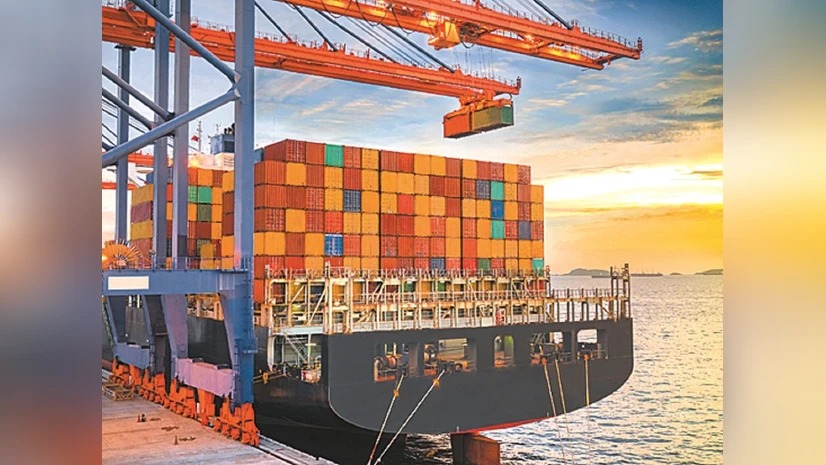
GSP Suspension Affects 87 PC of EU Exports

Budget FY27: Exporters push for tax rationalisation, GST refunds amid US tariff blues
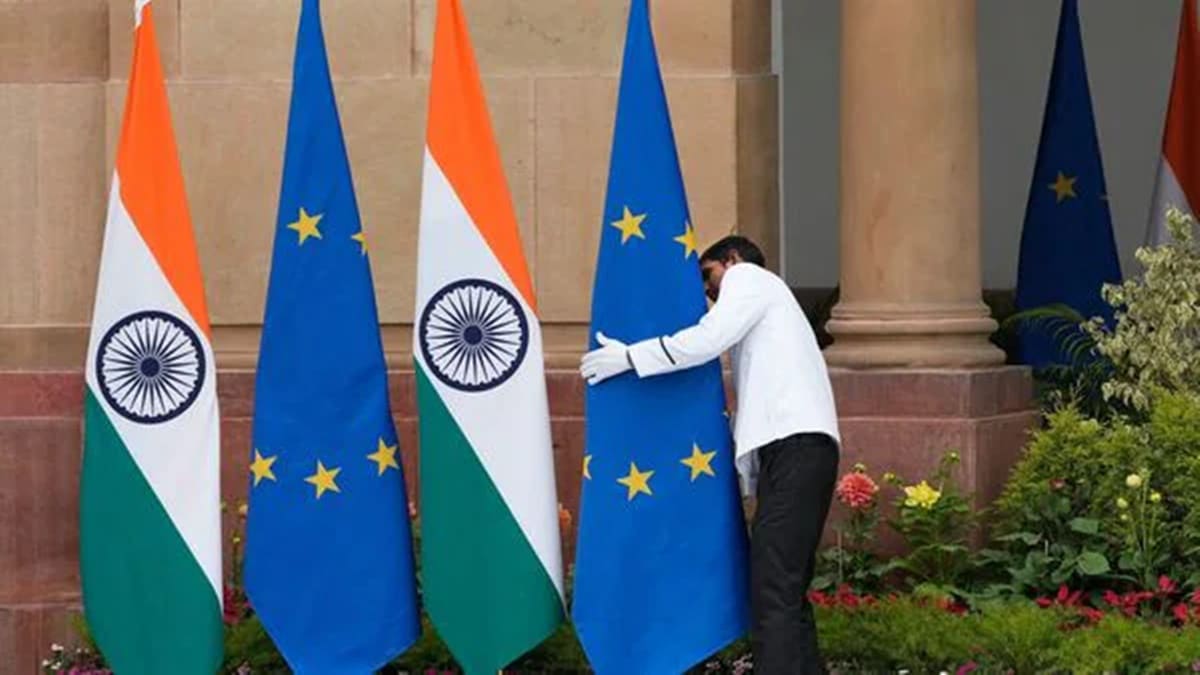
EU tariffs on Indian goods rise, just before trade deal