Archive · 26 Oct 2025
Netanyahu's Coalition Faces Instability After Gaza Ceasefire
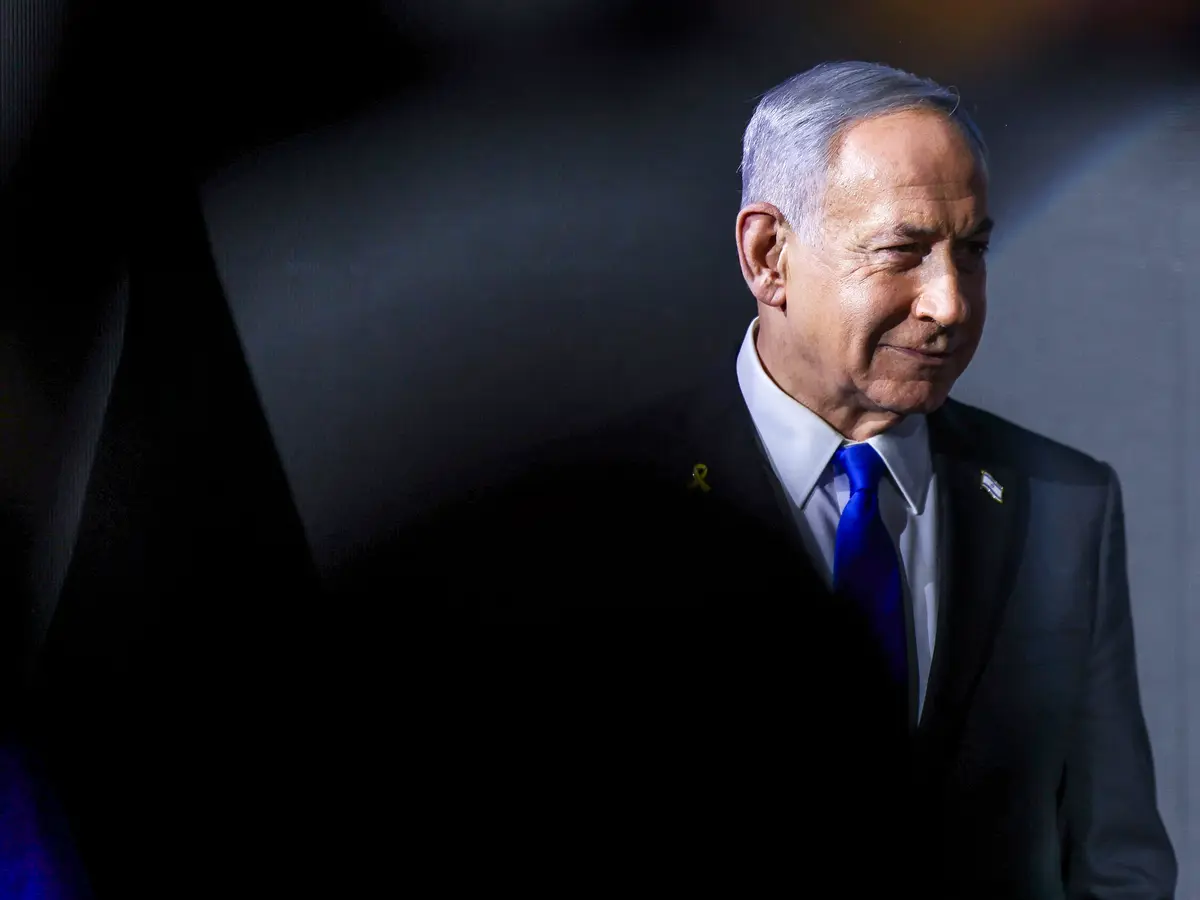
Israel's Prime Minister, Benjamin Netanyahu, is facing political challenges.
After a ceasefire in Gaza, his allies are upset.
His coalition, which is like a team of political parties, has lost some members.
This means he doesn't have a strong majority in parliament anymore.
Some parties want different things, like how to handle the ultra-Orthodox community's military service and what to do with Gaza.
Netanyahu might call for an early election to strengthen his position, but he needs to overcome these obstacles to stay in power.

Netanyahu's coalition weakened after the Gaza ceasefire.
The government currently holds only 60 out of 120 seats.
Far-right allies oppose the ceasefire and demand specific actions.
Ultra-Orthodox parties threaten to withdraw support over military service exemptions.
Netanyahu is considering early elections.
- Who
- Benjamin Netanyahu, Israeli coalition
- What
- Netanyahu's coalition faces instability due to the Gaza ceasefire and internal disagreements.
- When
- October 2023
- Where
- Israel
- Why
- The ceasefire and internal disputes have weakened the coalition's majority.
Far-Right Allies
Ultra-Orthodox Parties
Gaza Ceasefire
Far-Right Allies
Demand military control over the entire Gaza Strip.
Ultra-Orthodox Parties
N/A
Military Service Exemptions
Far-Right Allies
Want to force ultra-Orthodox conscription.
Ultra-Orthodox Parties
Threaten to pull support unless military service exemption is enshrined in law.
- Current Government Seats
- 60 of 120
- Next Election Deadline
- Late October 2026
- Far-right party
- Religious Zionism
- Shas Party Stance
- Threatens to pull support over military exemptions