

Archive · 8 Nov 2025
How Vaccines Work to Protect Your Body
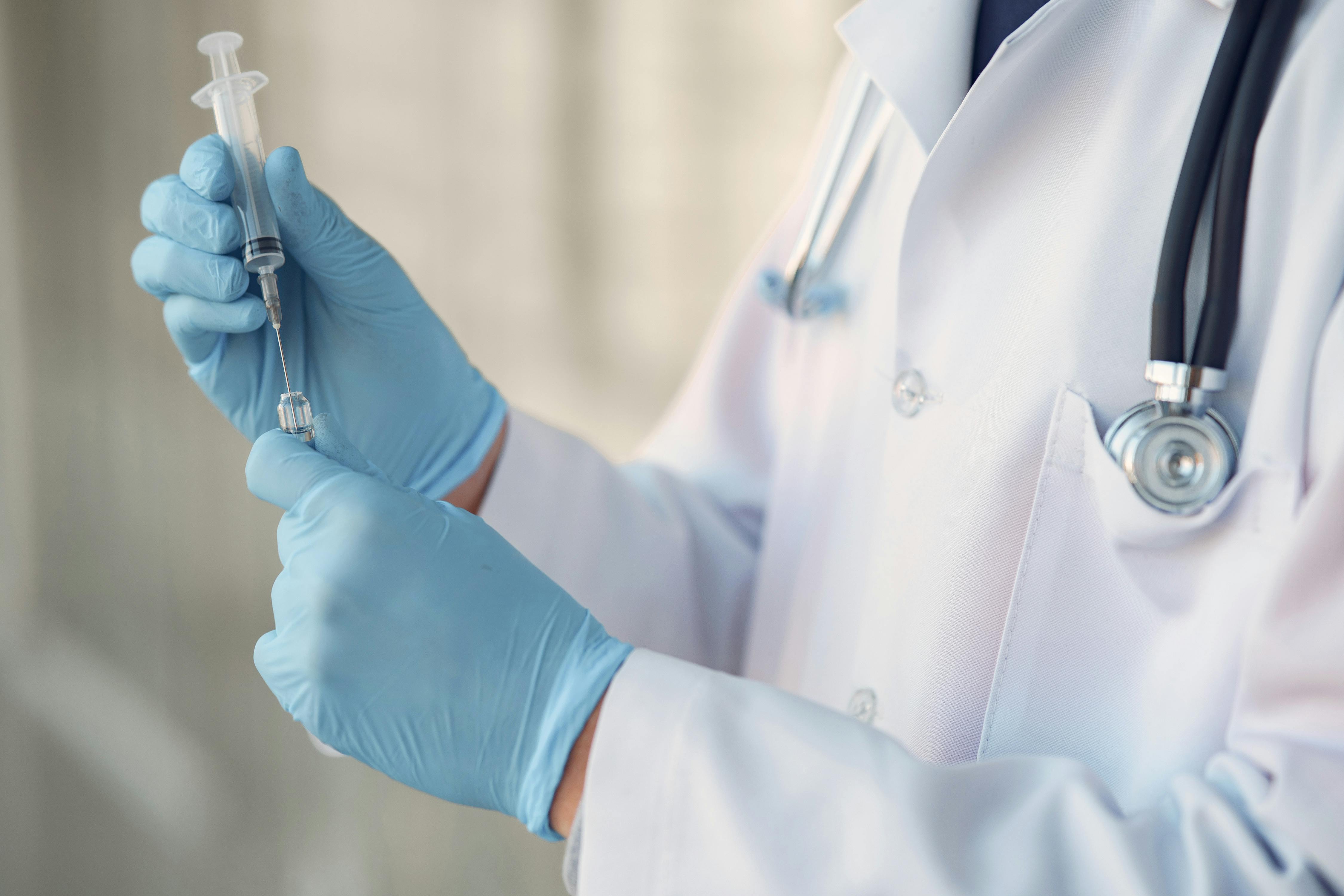
Imagine your body is like a castle, and germs are like little invaders trying to get in and make you sick.
Your body has guards called the immune system.
When a germ gets in, the immune system needs time to learn how to fight it by making special tiny soldiers called antibodies.
Vaccines are like a training drill for your guards.
They show the guards a picture of the bad germ, or a harmless part of it, so the guards can practice making the right antibodies without you actually getting sick.
Once they practice, the guards also remember what that germ looks like.
So, if the real germ tries to invade later, the guards already know how to fight it super fast and protect the castle!
Sometimes, a lot of people in the castle get the training, making it really hard for germs to spread, which helps protect everyone, even those who couldn't join the training.

Germs, also known as pathogens, are present everywhere and can cause illness when the body is vulnerable.
The immune system defends the body using barriers, antigens, and antibodies to neutralize pathogens.
Vaccines introduce harmless components of pathogens to train the immune system, developing antibodies and memory cells.
Multiple vaccine doses can strengthen the immune response for longer-lasting protection.
Herd immunity occurs when a high vaccination rate in a community makes it difficult for diseases to spread, protecting those who cannot be vaccinated.
- Who
- The human body's immune system
- What
- Learns to fight diseases by being exposed to harmless versions of pathogens through vaccines, building antibodies and memory cells for future protection.
- When
- When a person is exposed to a pathogen or receives a vaccine.
- Where
- Within the human body.
- Why
- To train the immune system to recognize and effectively neutralize harmful pathogens, preventing illness and spreading protection to vulnerable individuals through herd immunity.
- Pathogens
- Disease-causing organisms
- Antigens
- Parts of a pathogen that trigger an immune response
- Antibodies
- Proteins made by the immune system to bind and neutralize antigens
- Memory Cells
- Cells that remember specific antigens for a faster future response
- Vaccines
- Harmless components of pathogens that train the immune system
- Herd Immunity
- Community protection achieved when a large portion of the population is vaccinated