

5 days ago
Ratan Tata Criticized India’s Socialist, Rationing-Based Economic System
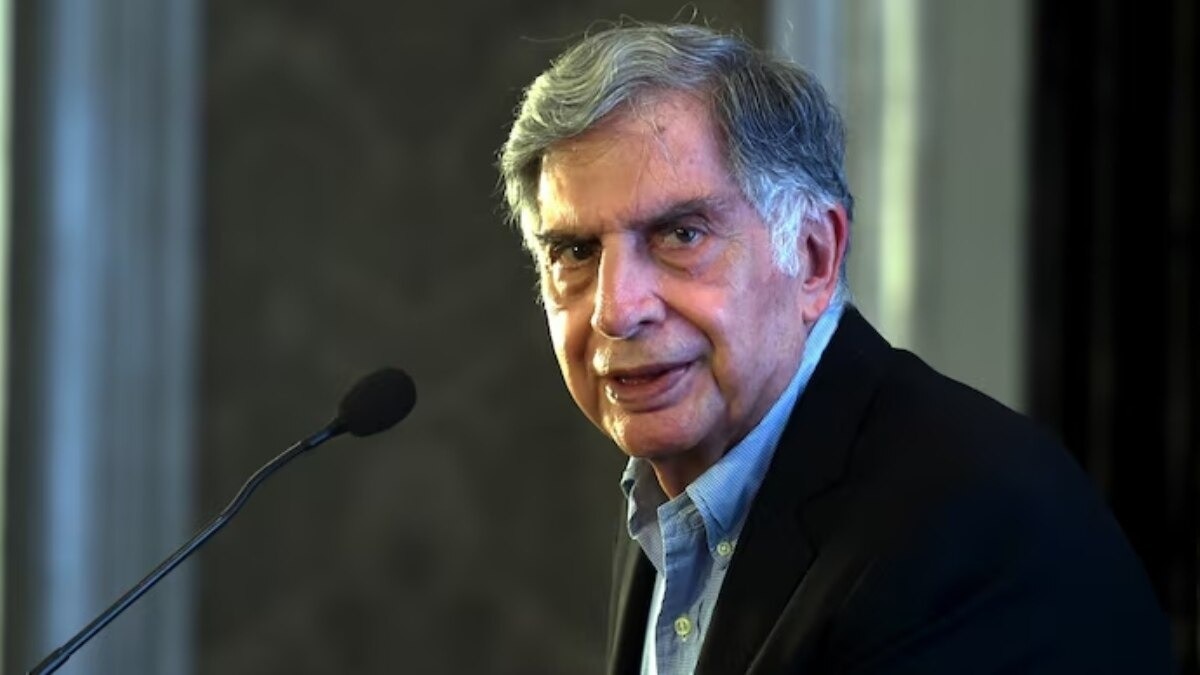
Ratan Tata was a well-known Indian business leader.
In a 2006 interview, he said India should move away from handling resources through rationing.
He was discussing how the government gave out telecom spectrum.
Tata believed important resources should not be distributed mainly through government officials’ choices.
He preferred clear rules and systems based on competition and fair prices.
He connected rationing with older economic controls known as the “License Raj.”
He believed such controls could cause inefficiency, corruption, and disputes between companies.
Tata led the Tata Group and helped it expand internationally.
He died in Mumbai in 2024 at the age of 86.

Ratan Tata made the remark during a 2006 interview about government policies for allocating telecom spectrum.
He criticized administrative rationing and free handouts of national assets by the state.
Tata advocated transparent, market-driven systems in which operators pay fair value for resources.
The quote challenged the legacy of India’s “License Raj” and bureaucratic economic controls.
Ratan Tata, who led the Tata Group, died in Mumbai on October 9, 2024, aged 86.
- Who
- Ratan Tata, former Chairman of the Tata Group, made the remark.
- What
- He argued that India should move away from rationing-based administration and use transparent, market-driven mechanisms for allocating resources.
- Where
- The location of the interview is not specified in the article.
- When
- The quote was made during a 2006 interview.
- Why
- He was criticizing bureaucratic control and advocating that operators pay fair value for national resources such as telecom spectrum.
Key facts
- Speaker
- Ratan Tata
- Interview year
- 2006
- Policy context
- Government allocation of telecom spectrum
- Recommended approach
- Transparent, market-driven resource allocation
- Birth and death
- 1937–2024
- Death
- October 9, 2024, in Mumbai
- Civilian honours
- Padma Bhushan (2000) and Padma Vibhushan (2008)
Sources
Related news

Ratan Tata Dies at 86; Chandrasekaran Pays Tribute
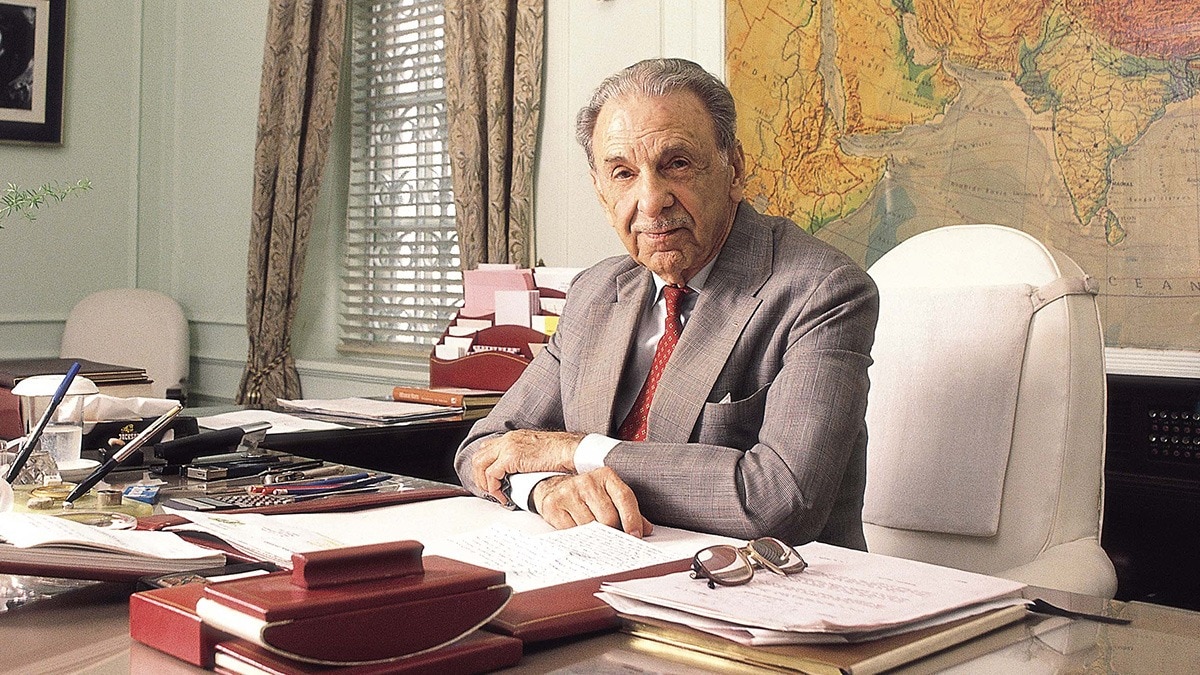
JRD Tata’s Quote Links Leadership With Service And Purpose
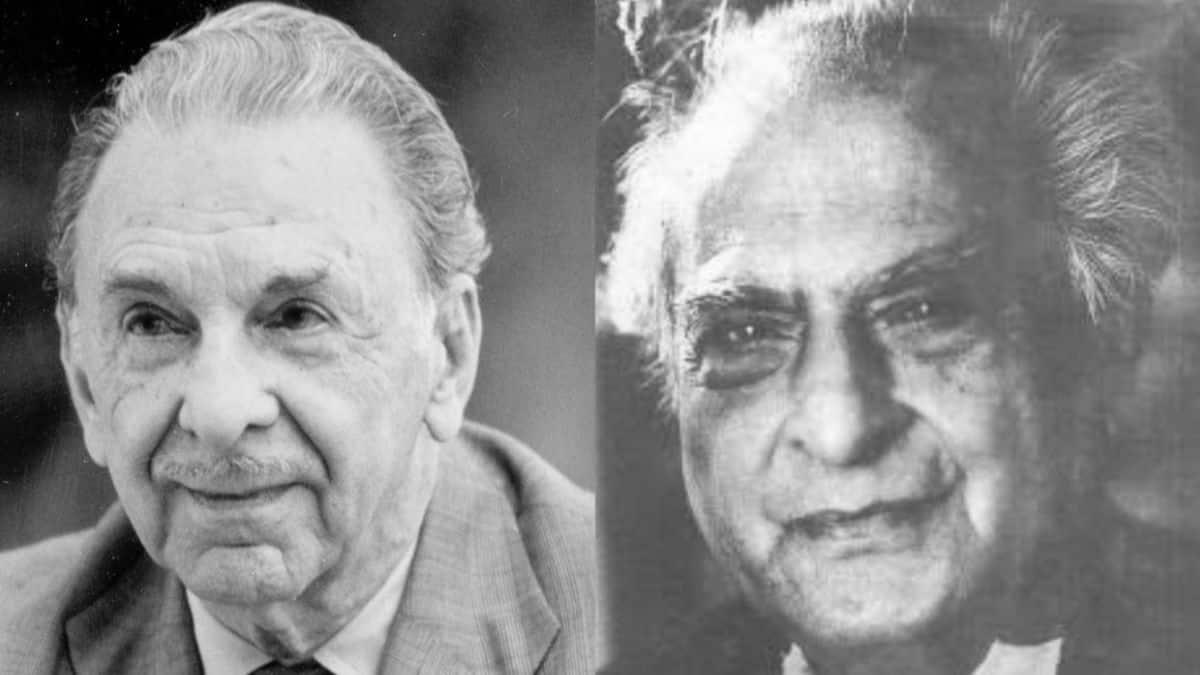
JRD Tata vs Haksar: 1984 letters expose Licence Raj
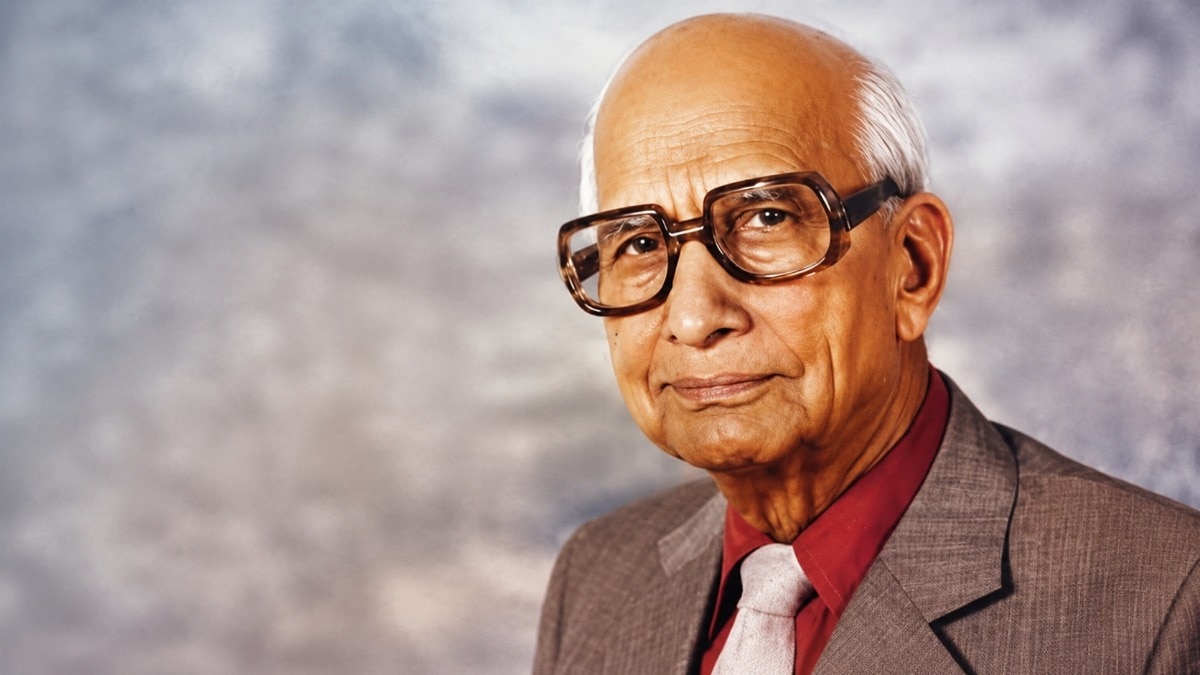
G.D. Birla Linked Enterprise and Production to Living Standards
Tata Succession Uncertainty: Noel Tata or Chandrasekaran
Bengal Government's Tata Talks and Rs 28,000 Crore Investment Push

Urbanisation key to India's developed nation goal by 2047: Panagariya
