

Archive · 7 Jan 2026
Orthodox Christmas Celebrated by 200 Million
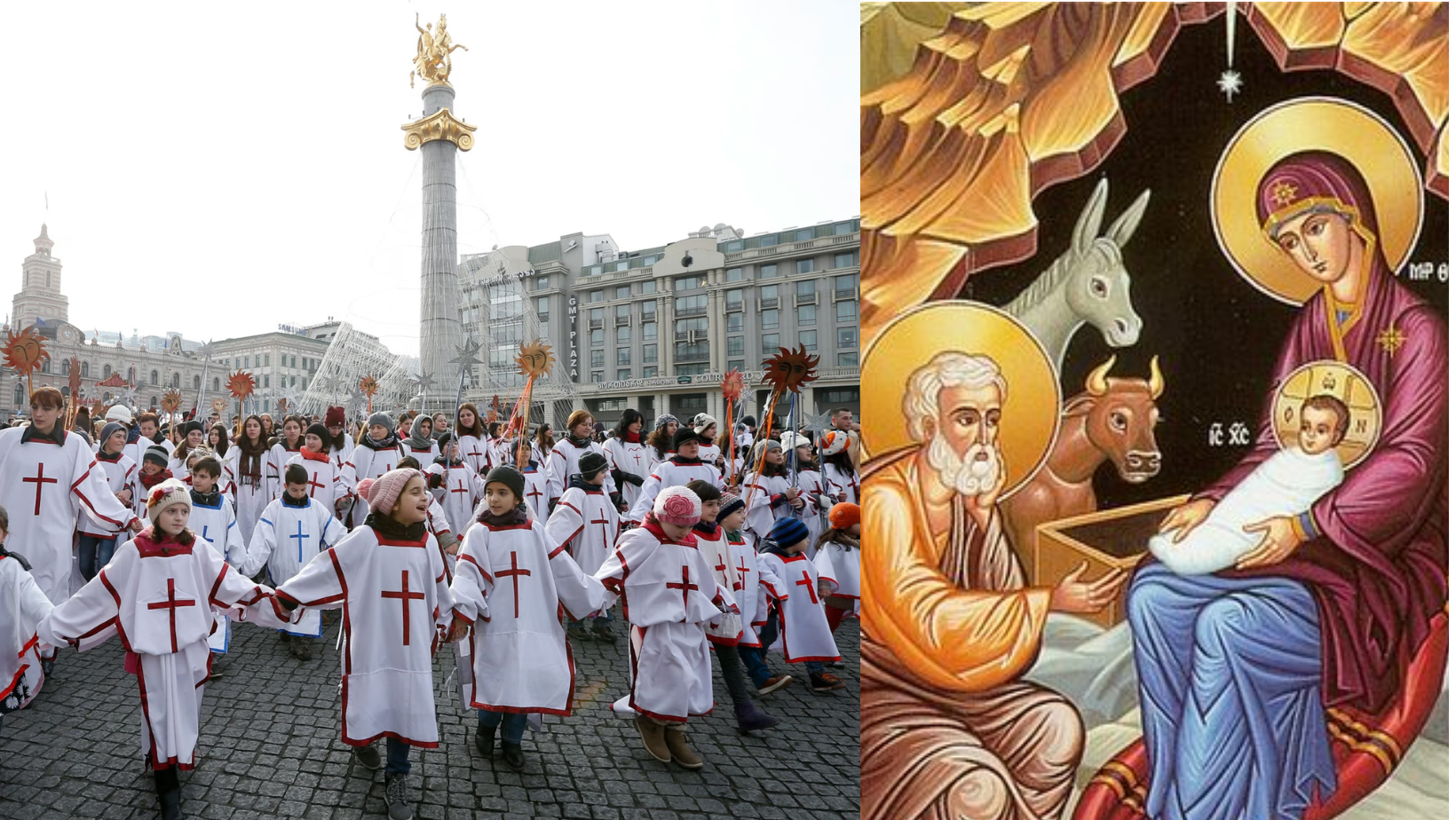
Orthodox Christmas is celebrated on January 7 by millions of Christians who follow the Julian calendar.
This is because the Julian calendar is 13 days behind the Gregorian calendar, which most of the world uses.
Orthodox Christians believe this is the actual day Jesus was born, not a delayed celebration.
They observe a 40-day fasting period before Christmas, ending with a large feast featuring 12 dishes.
This celebration is important in countries like Russia, Serbia, Georgia, Egypt, Ethiopia, Eritrea, and parts of the Middle East.
Families gather for special meals and decorate their homes with symbolic items like a sheaf of wheat called a didukh.

Orthodox Christmas is celebrated on January 7 due to the Julian calendar being 13 days behind the Gregorian calendar.
Around 250 million Orthodox Christians, mainly in Eastern Europe, Africa, and the Middle East, observe this day.
The celebration includes a 40-day fasting period followed by a large feast with 12 dishes.
Traditional foods include kutia (wheat/grains, honey, poppy seeds) and a didukh (wheat sheaf decoration).
Countries like Russia, Serbia, Georgia, Egypt, Ethiopia, Eritrea, and parts of the Middle East mark this day with deep religious devotion.
- Who
- Orthodox Christians (250 million)
- What
- Celebration of Jesus' birth
- When
- January 7 (Gregorian calendar)
- Where
- Eastern Europe, Africa, Middle East
- Why
- Due to following the Julian calendar, which is 13 days behind the Gregorian calendar
- Date
- January 7 (Gregorian calendar)
- Calendar Used
- Julian calendar
- Main Regions
- Eastern Europe, Africa, Middle East
- Fasting Period
- 40 days before Christmas
- Traditional Dish
- Kutia (wheat/grains, honey, poppy seeds)
- Symbolic Decoration
- Didukh (wheat sheaf)
- Number of Dishes
- 12 (symbolizing 12 apostles)