

Archive · 10 Jun 2025
Avalanches: From Seasonal Inconveniences to Urgent Frontline Risks
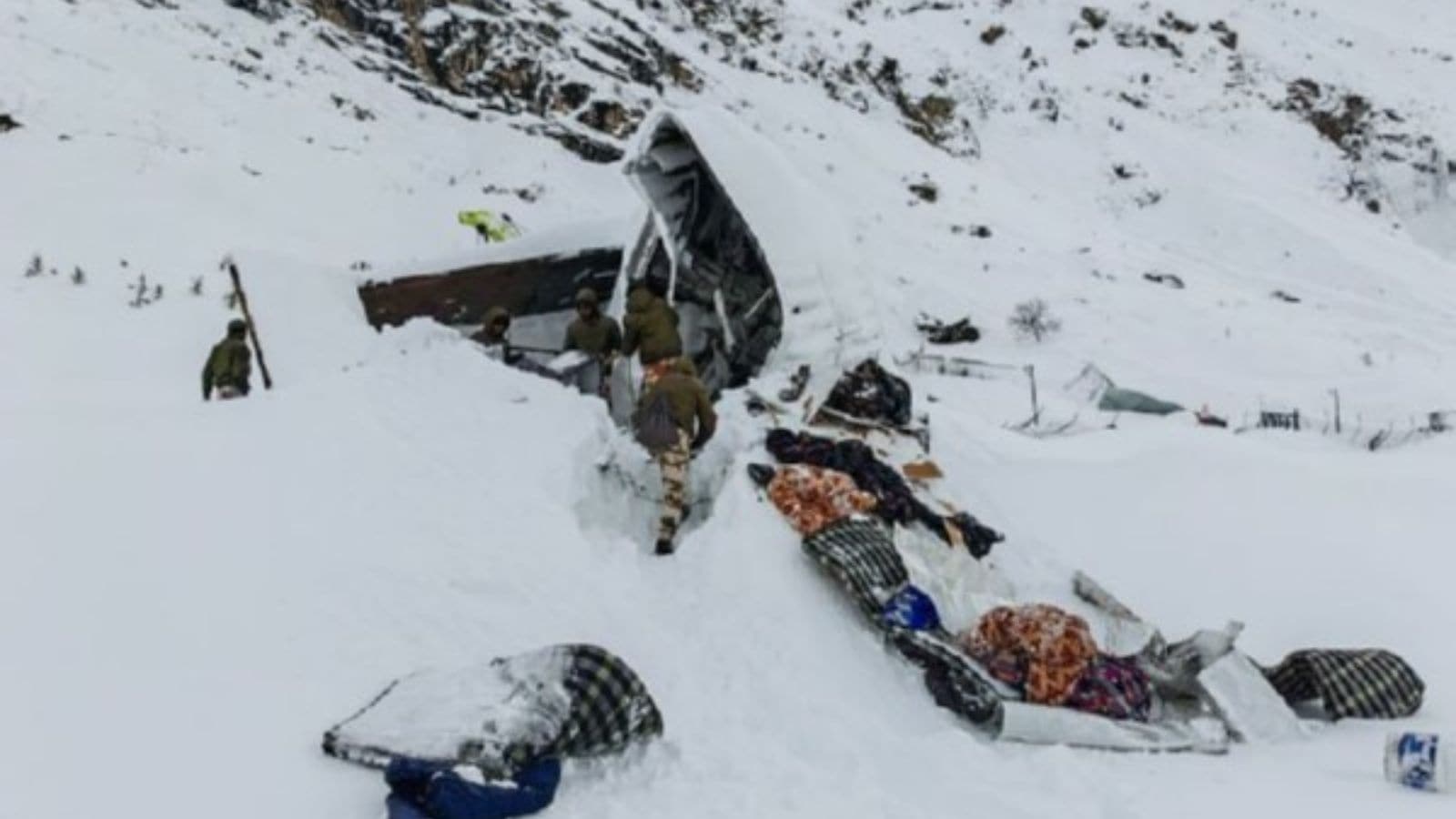
Mountains are warning us about avalanches and other dangers, but we are not listening.
Avalanches are becoming more frequent and dangerous because of climate change, like melting glaciers and unusual snow patterns.
There have been many accidents, including soldiers buried in snow and dams bursting.
The government is working on early warning systems and trying to help, but more needs to be done.
We need to treat these events as serious threats and not just seasonal problems.
Climate change makes the problems worse.

Avalanches are increasing in frequency and impact due to climate change.
Multiple incidents, including loss of life and infrastructure damage, have occurred.
The Indian government has approved a project to mitigate glacial hazards.
International conferences highlight glacier conservation and climate resilience.
A shift in mindset is needed to treat avalanches as frontline risks.
- Who
- Authorities and affected communities.
- What
- Increased frequency and impact of avalanches and glacial hazards.
- When
- Recent years, with increasing urgency.
- Where
- Himalayas, Karakoram ranges, Siachen, Gurez, and Switzerland (Blatten).
- Why
- Accelerated glacial melt, warmer winters, and erratic snowfall.
- Sikkim Incident
- October 2023
- Chamoli Disaster
- February 7, 2021
- Gayari Incident
- April 2012
- Sonam Post Ice Collapse
- 2016
- NGRMP Outlay
- Rs 150 crore