Archive · 6 Sep 2026
ISRO Staff Seek Clarity Over Private Space-Sector Expansion

India’s space agency, ISRO, may allow private companies to do more space work.
Nine employee groups have asked ISRO’s chairman to explain the plan in writing.
Their concern followed comments by Pawan Goenka, who said private companies or public-sector organisations could eventually build launch vehicles.
The groups want to know whether this is an officially approved government decision.
They are asking what will happen to rockets such as PSLV, LVM3 and SSLV.
They also want clarity about satellite production and new launch facilities.
The employees say they are not against private companies helping in space activities.
However, they worry that ISRO could lose important skills, safety systems and career opportunities.
They want clear rules and discussions before major changes are made.

Nine employee associations representing about 5,000 ISRO staff sought written clarification from Chairman V Narayanan on the agency’s future role.
The associations cited IN-SPACe Chairperson Pawan Goenka’s August 21 statement that private firms or public-sector undertakings could eventually manufacture India’s launch vehicles.
They questioned whether plans involving SSLV, PSLV, LVM3, satellite production and launch infrastructure reflect approved government policy.
The employees warned that transferring core activities could affect strategic autonomy, safety, expertise, recruitment, promotions and existing jobs.
The associations said they support defined private participation but want formal policy, consultation and safeguards before irreversible changes.
- Who
- Nine ISRO employee associations representing about 5,000 workers wrote to ISRO Chairman and Department of Space Secretary V Narayanan.
- What
- The associations sought clarification about reported plans to transfer ISRO manufacturing, satellite and launch-related functions to private entities or public-sector undertakings.
- When
- The joint representation was dated September 4, 2026, after Pawan Goenka’s reported remarks on August 21, 2026.
- Where
- The concerns involve ISRO centres and facilities across India, including proposed launch infrastructure at Kulasekarapattinam in Tamil Nadu.
- Why
- The associations said public statements and reported technology transfers were not accompanied by an official explanation of the policy, timeline, legal basis or workforce impact.
Employee Associations’ Concerns
Private-Sector Expansion
ISRO’s future role
Employee Associations’ Concerns
The associations want ISRO to retain hands-on capabilities in launch-vehicle design, development, integration, testing and launch operations instead of becoming mainly a research organisation.
Private-Sector Expansion
The reform direction described in the reports envisages private companies and public-sector undertakings handling mature or routine production while ISRO focuses on research, advanced technology and strategic missions.
Technology transfers
Employee Associations’ Concerns
Employees say publicly developed technology is a national asset and should be transferred through transparent, accountable arrangements that address strategic, safety and employment considerations.
Private-Sector Expansion
The government’s stated approach is to expand private participation, use existing ISRO capabilities and move mature technologies and production to industry.
Capability and workforce
Employee Associations’ Concerns
The associations warn that moving core work outside ISRO could weaken institutional expertise, safety culture, recruitment, promotions and public-sector career opportunities.
Private-Sector Expansion
Supporters of the transition argue that a larger private space industry can add investment, manufacturing capacity, talent and launch capability, while ISRO concentrates on complex scientific and strategic work.
- Employee representation
- Nine associations said they represented around 5,000 employees, approximately 27% of ISRO’s stated workforce of 18,100.
- Triggering statement
- Pawan Goenka reportedly said ISRO would eventually stop manufacturing launch vehicles, with private companies or public-sector undertakings taking on that work.
- Technologies cited
- The associations referred to SSLV technology and production being transferred to Hindustan Aeronautics Limited, with reported or proposed efforts involving PSLV and LVM3.
- Other activities mentioned
- The letter raised concerns about routine satellite manufacturing and private operation of new launch infrastructure, including the Space Launch Complex at Kulasekarapattinam.
- Workforce concerns
- The associations questioned the effects on sanctioned posts, vacancies, recruitment, promotions, redeployment and safeguards for serving employees.
- Reported staffing figures
- Parliament data cited in the reports showed 12,472 staff in science and technology posts against 14,108 sanctioned positions, and 3,057 administrative staff against 4,034 sanctioned posts.
- Requested response
- The associations requested time-bound written clarification, structured consultations and an explanation of the respective roles of ISRO, NSIL and IN-SPACe.
Sources

Explained: What is happening at India's premier space agency, ISRO
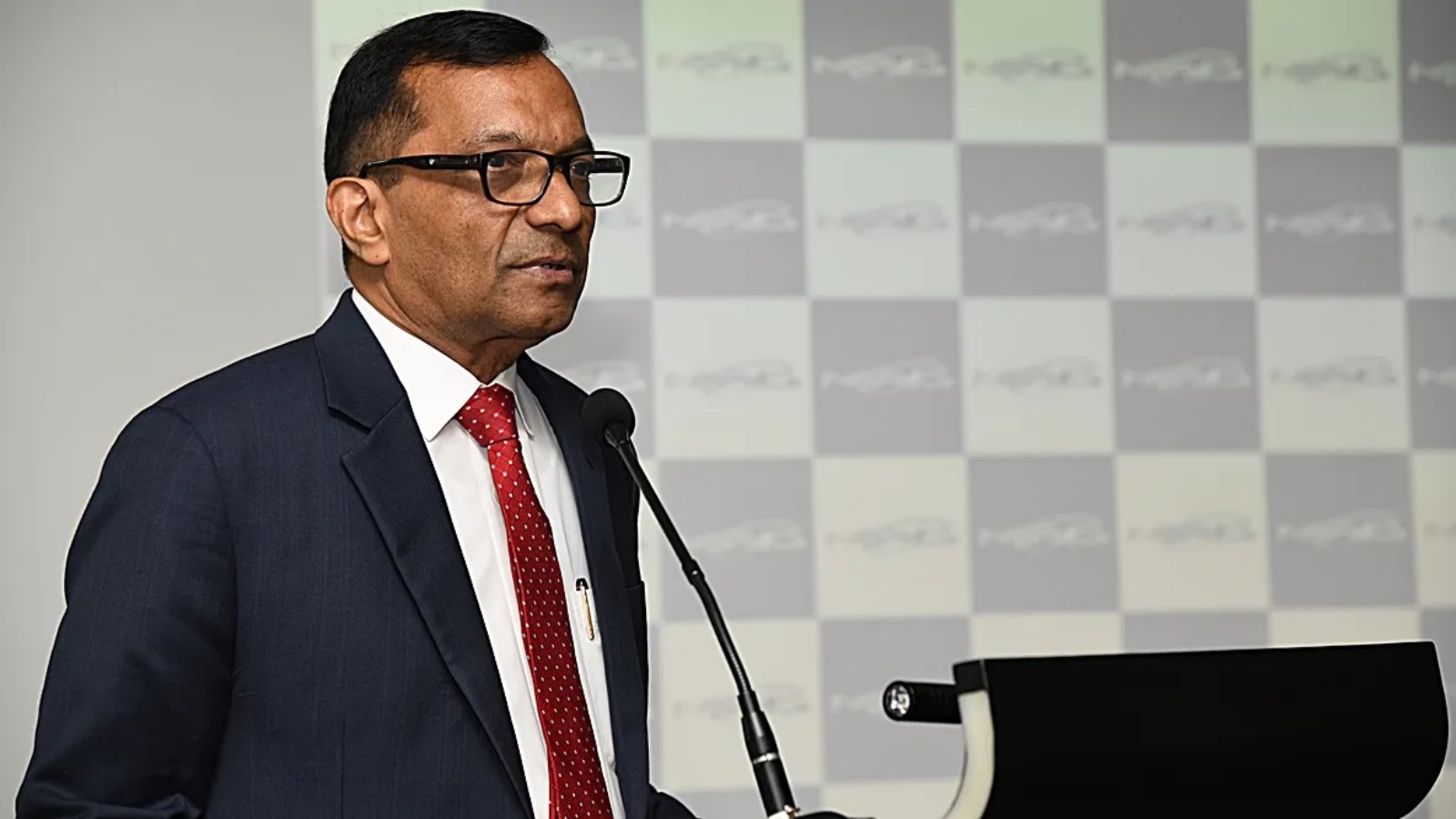
Letter sent after GSLV launch: ISRO staff question trajectory of space privatisation, want chief to clarify
Isro employees seek govt clarification over private sector push, write letter to chairperson Narayanan
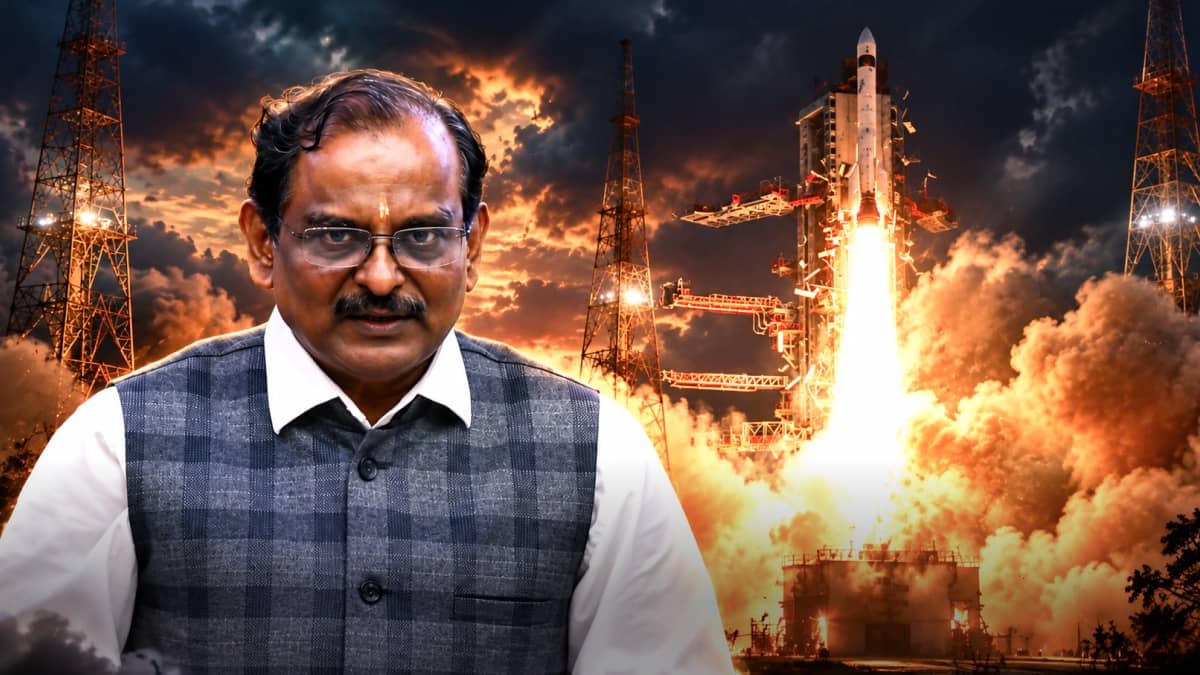
ISRO Employees' Associations Write to Chairman V Narayanan, Seek Clarity on Privatisation Plans

Are ISRO activities being privatised? Anxious staff seek Govt response
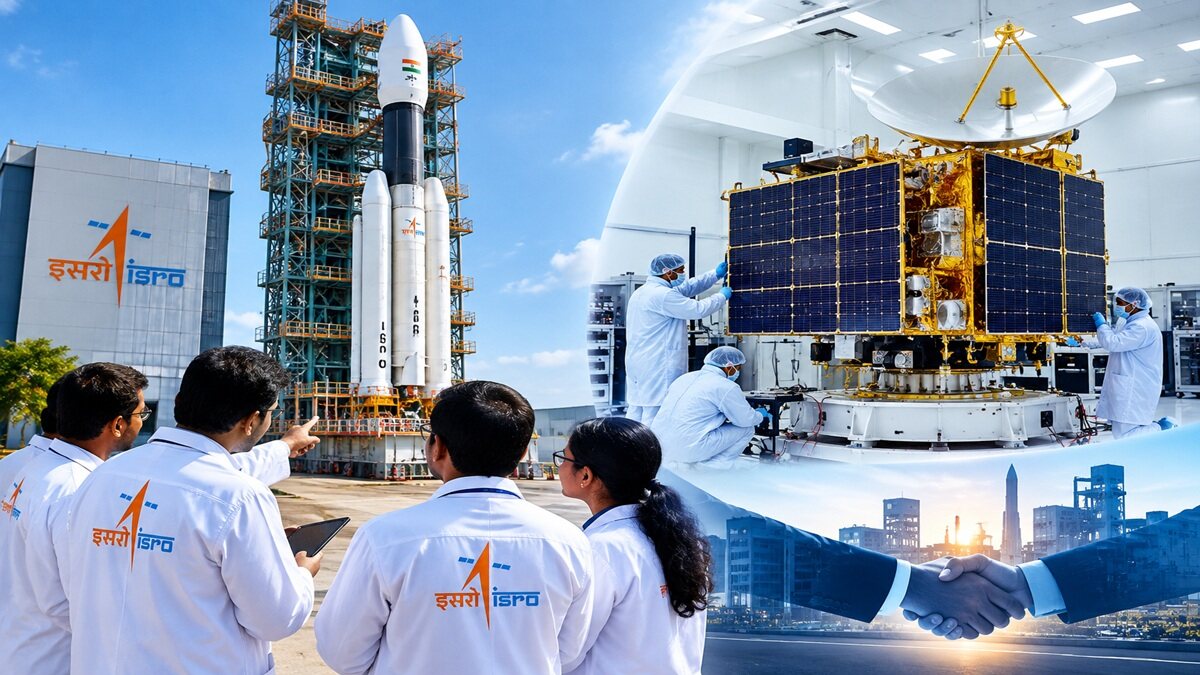
Who will make India’s rockets? ISRO staff write to chairman, seek clarity on pvt sector shift
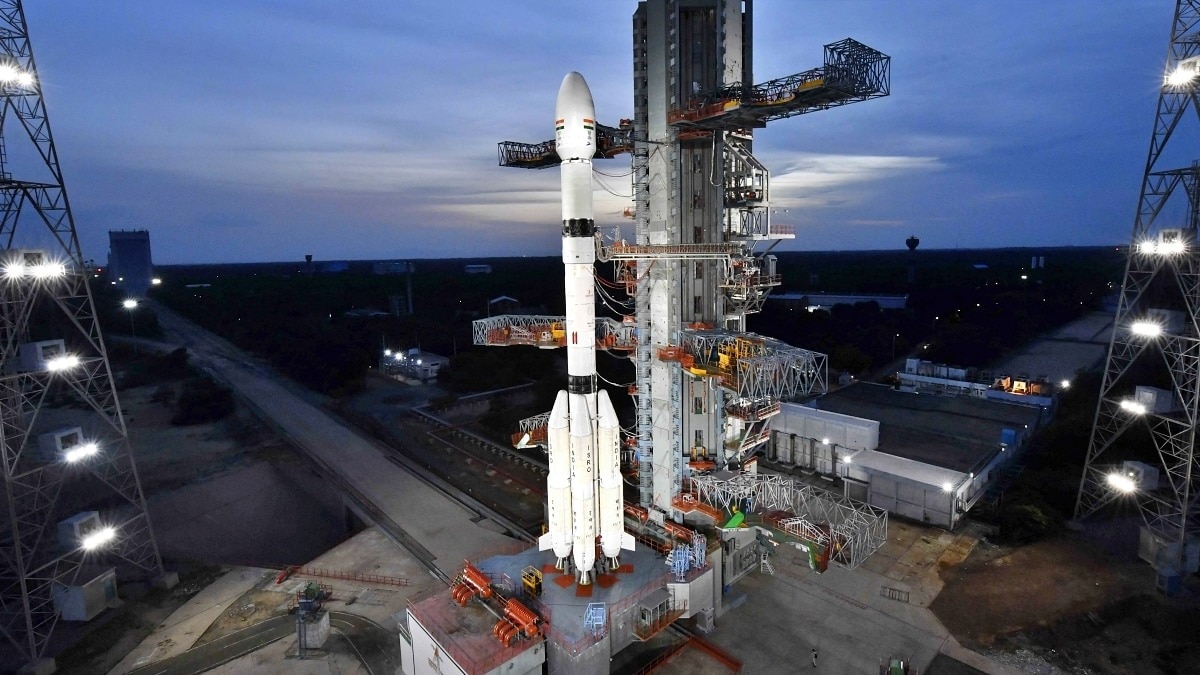
Privatisation pitch sparks anxiety at ISRO as unions demand clarity from management: Report

ISRO staring at privatisation? Employee associations seek clarity

ISRO staff bodies seek clarification on trajectory of privatisation
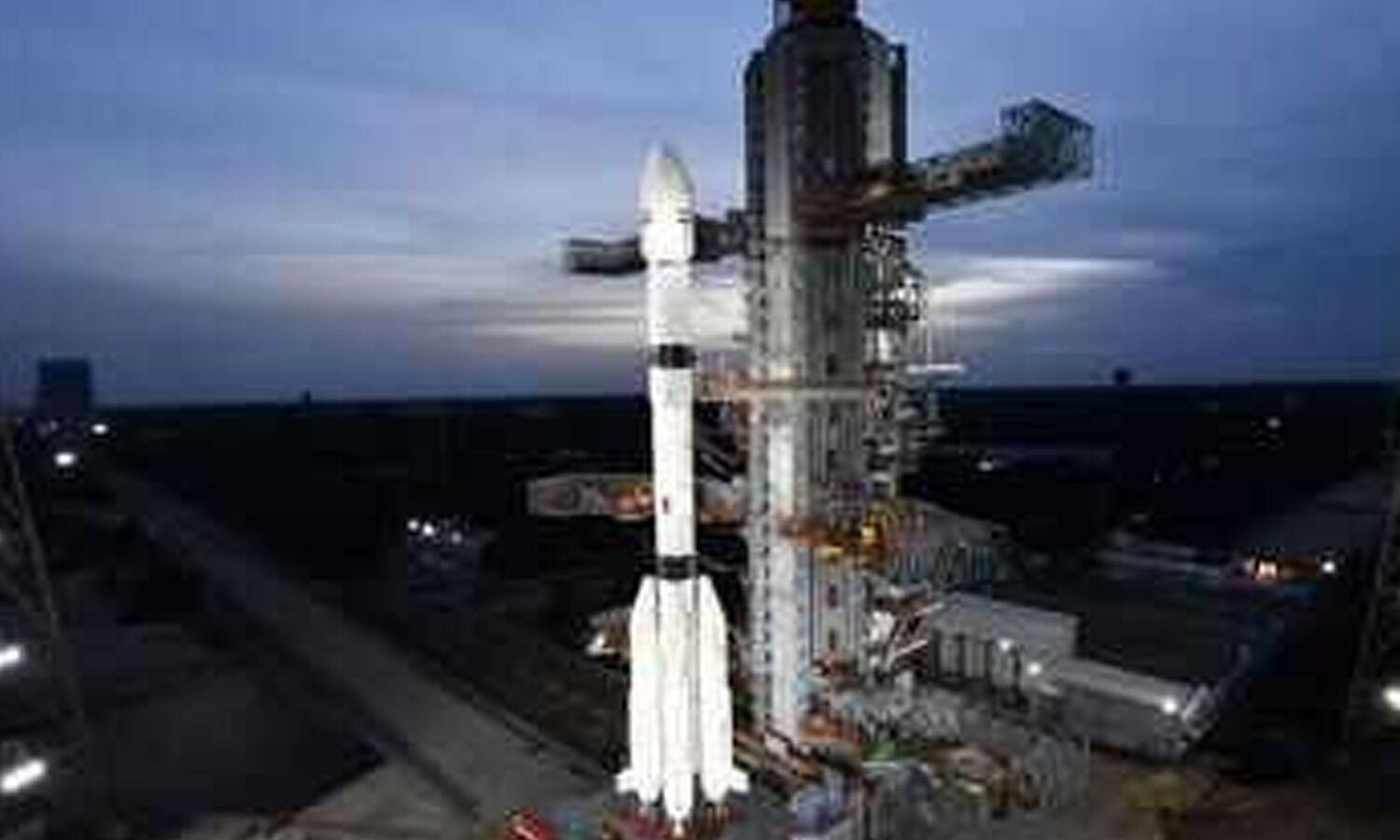
In a first, ISRO staff seeks 'written clarity' on pvt sector shift

ISRO employees write to chairperson, seeking clarification over proposed plan to transfer ops; Congress slams Centre