

Archive · 29 Jul 2025
EU-US Trade Deal Creates Uncertainty for Pharmaceuticals
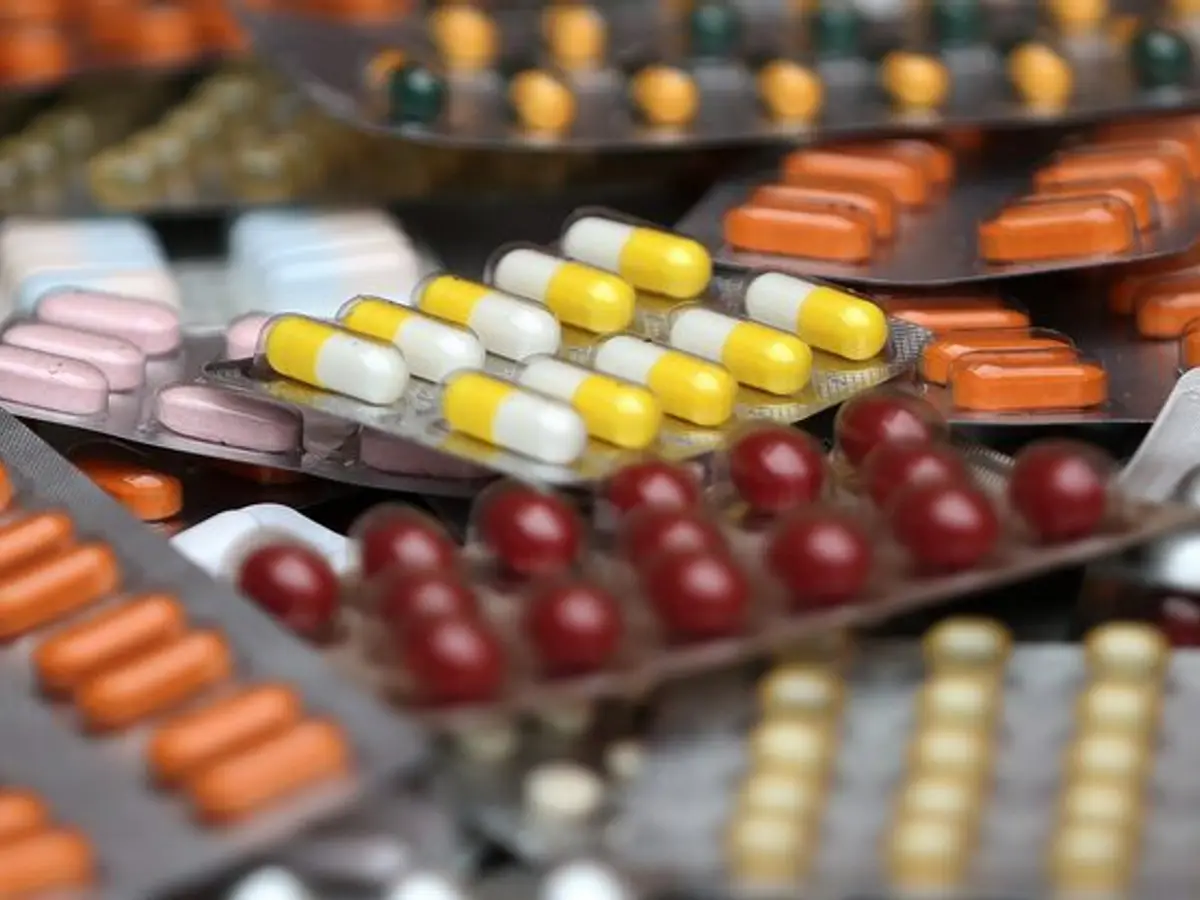
The EU and US made a new trade deal, but it's causing some worry for medicines.
Right now, the US puts a 15% tax on many goods from the EU, but they're still deciding if this will also apply to medicines.
This could make medicine more expensive.
Because the US is still deciding on tariffs for medicines, pharmaceutical companies aren't sure what will happen.
Some analysts think the costs could rise a lot, maybe $13-$19 billion total, but others think the tariffs won't be that high.
Drug companies are trying to prepare by increasing stock in the US or changing their supply chains.

A new EU-US trade deal may increase costs for the pharmaceutical sector.
The deal includes a 15% tariff on most EU goods, but pharmaceuticals are under review.
Pharmaceuticals are the EU's largest export to the US, historically tariff-free.
Analysts estimate potential added costs of $13 billion to $19 billion for drugmakers.
Tariffs could increase drug prices for US consumers unless companies intervene.
- Who
- The EU, the US, pharmaceutical companies, and potentially US consumers.
- What
- A new trade deal between the EU and US is creating uncertainty regarding tariffs on pharmaceuticals.
- When
- The deal was announced, with the pharmaceutical aspect pending a US national security review.
- Where
- Trade involves the EU and the US.
- Why
- To establish trade agreements and assess national security implications, leading to potential tariff impacts.
Analysts Anticipating Lower Tariffs
Analysts Anticipating Higher Tariffs
Tariff Level
Analysts Anticipating Lower Tariffs
Some analysts believe that tariffs will likely remain at the proposed 15%.
Analysts Anticipating Higher Tariffs
Other analysts caution the situation remains uncertain, with potential for higher tariffs.
- Deal Parties
- EU and US
- Tariff Proposed
- 15%
- Pharmaceuticals
- EU's largest export to the US by value
- Potential Cost Increase
- $13 billion to $19 billion
- Companies Taking Action
- Sanofi, Roche