

Archive · 5 Dec 2025
India's Carb-Heavy Diet Needs Protein and Indigenous Foods
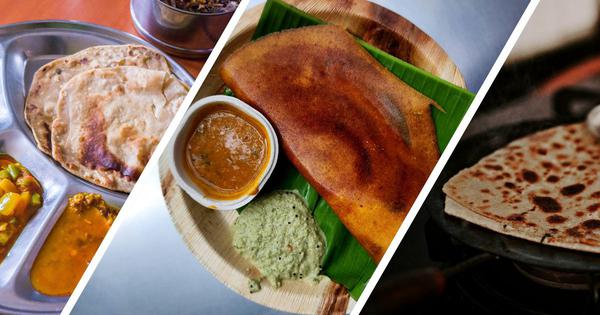
In India, people eat a lot of foods like rice, wheat, and potatoes, which are mostly carbohydrates.
This has led to health problems like diabetes and obesity.
Experts say that Indians need to eat more protein and foods like millets, which are healthier and better for the environment.
The government and communities can help by changing school meals and supporting farmers to grow different kinds of crops.
This way, people can stay healthy and the environment can be protected.

Over 60% of Indians' calories come from refined carbohydrates, leading to health issues like diabetes and obesity.
Protein and healthy fats make up only 12% of the diet, with animal protein at just 1%.
Millets and pulses, which are nutrient-dense and climate-resilient, are currently underutilized.
Cultural and agricultural policies have contributed to a dietary monoculture of rice and wheat.
Shifting to diverse, indigenous foods can improve public health and support sustainable farming practices.
- Who
- Indian population, particularly those consuming high-carbohydrate diets
- What
- The need to shift from carb-heavy diets to more protein and indigenous foods
- When
- Current dietary habits are contributing to poor health outcomes
- Where
- Across India, with specific focus on northern, southern, and northeastern states
- Why
- To improve public health, reduce non-communicable diseases, and enhance nutritional diversity
- Carbohydrate Intake
- Over 60% of calories from refined rice and wheat
- Protein Intake
- Only 12% of total caloric intake, with animal protein at 1%
- Health Impact
- Linked to diabetes, hypertension, and obesity
- Millet Consumption
- Less than 10% of national grain consumption
- Dietary Shift Needed
- Increase millet and pulse consumption to 25%
- Public Health Impact
- Unhealthy diets cause 56.4% of India's disease burden
- Cultural Influence
- Carbohydrates symbolize prosperity and cultural identity
- Policy Initiatives
- Odisha Millet Mission and Karnataka's ragi introduction