

Archive · 13 Sep 2025
Dental Hygiene's Hidden Cost: Microplastics and Health Risks
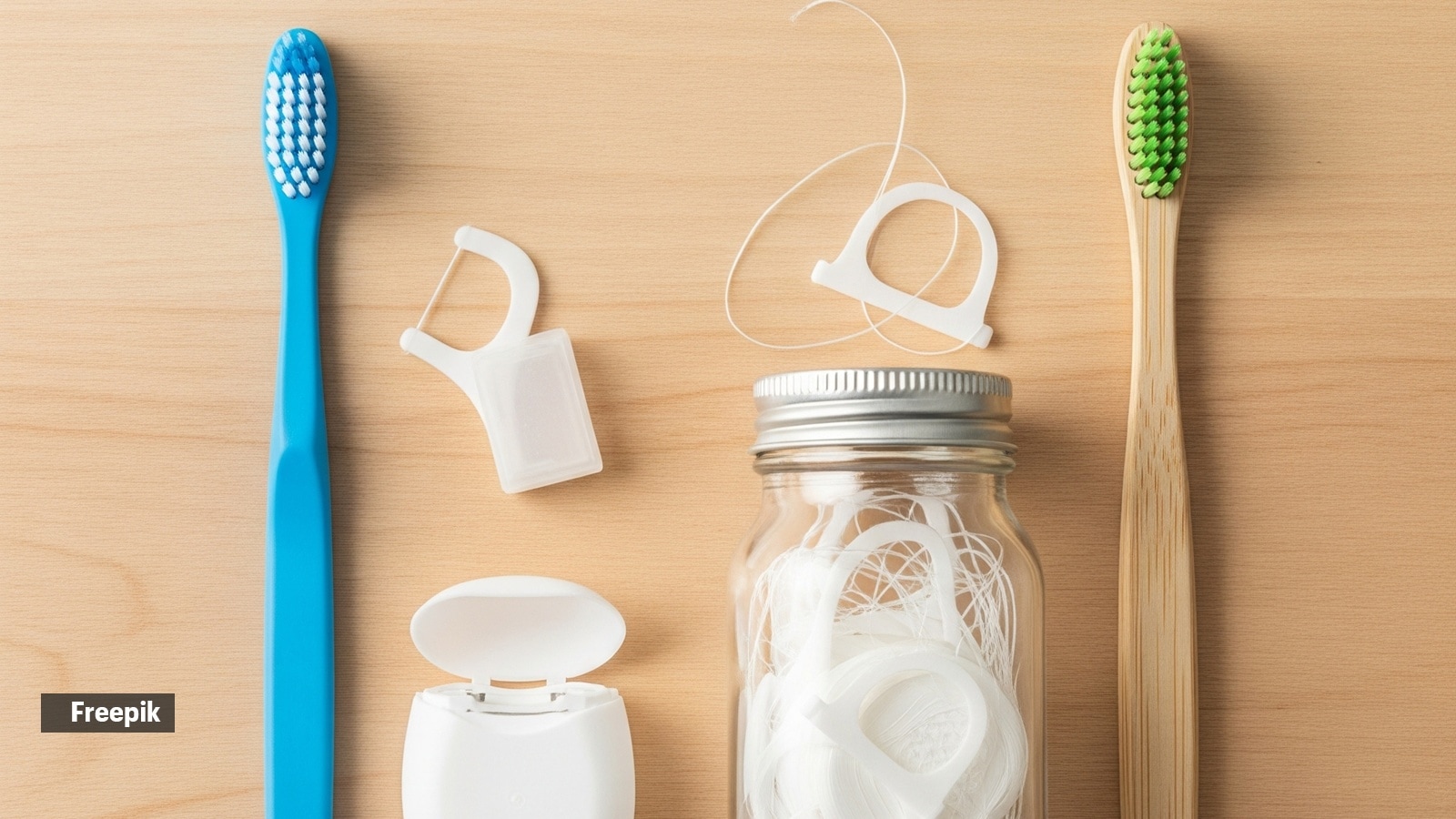
Brushing your teeth and other dental routines may be adding tiny pieces of plastic to the environment.
Toothpaste, floss, fillings, and other products release microplastics.
These plastics can end up in our bodies and harm our health.
Scientists are studying the health impacts, such as inflammation.
Some countries have banned plastic microbeads in toothpaste.
Companies are developing alternatives like toothpastes without plastic.
Consumers can also choose bamboo toothbrushes and plastic-free floss.

Dental hygiene products release microplastics into the environment.
Toothpaste, floss, and fillings are sources of microplastic pollution.
Microplastics may cause health problems and endocrine disruption.
Over 15 countries have banned plastic microbeads in toothpaste.
Manufacturers are developing alternatives; consumers have choices.
- Who
- Consumers, dentists, and manufacturers
- What
- The release of microplastics from dental products and their potential health and environmental effects
- When
- Ongoing
- Where
- Environment and human bodies
- Why
- Oral hygiene practices are contributing to microplastic pollution
- Main Issue
- Microplastic pollution from dental products
- Sources of Microplastics
- Toothpaste, floss, fillings, dentures, and mouthguards
- Health Concerns
- Potential endocrine disruption and inflammation
- Solutions
- Alternative products, filters, and industry innovation
- Countries with Microbead Bans
- Over 15