

Archive · 28 Sep 2025
SEBI Proposes Premium-Based Model for Options Order Ratios
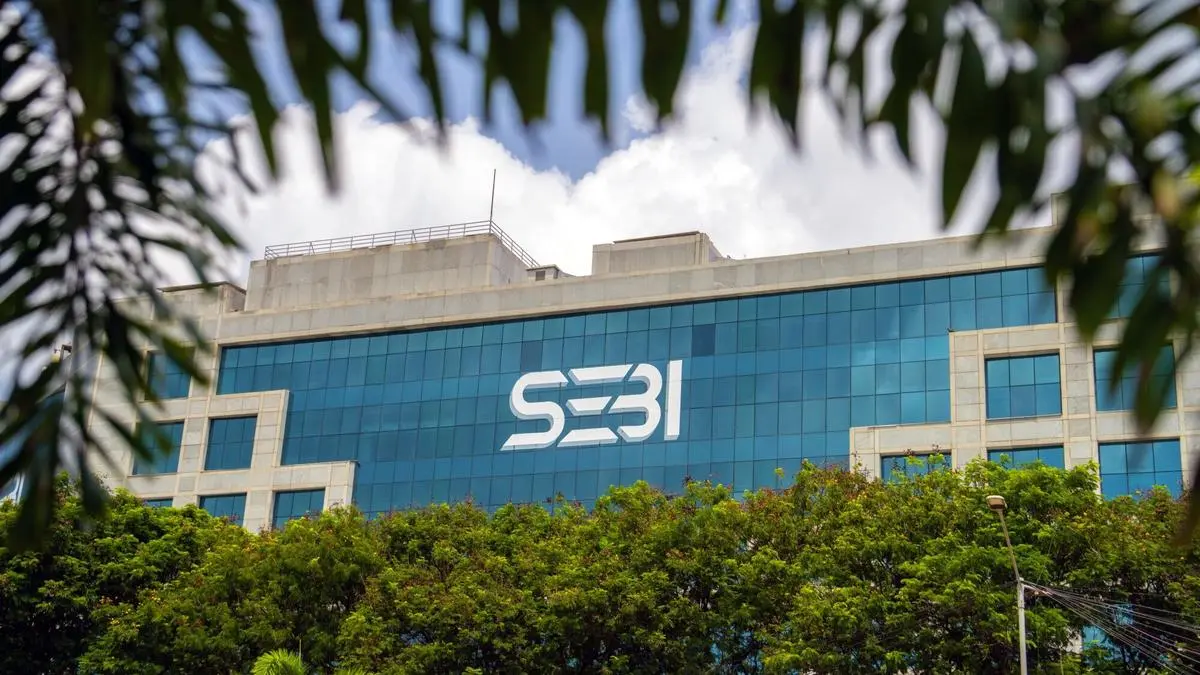
SEBI, the financial watchdog, is changing how it tracks trading in options to prevent market manipulation.
Instead of looking at strike prices, they'll now focus on the actual premiums paid.
Only large price changes (more than 40% of the premium or ₹20) will be counted, giving smaller contracts more flexibility.
This change aims to watch the high-volume trades more carefully while easing restrictions on those with less activity.
They're also increasing fines for traders who generate excessive order ratios to prevent price distortion.

SEBI is changing the way it calculates the order-to-trade ratio (OTR) for options.
The new model uses option premiums instead of strike prices.
Orders beyond ±40% of the premium, or ₹20 (whichever is higher), will count towards the OTR.
This change is intended to tighten scrutiny on liquid contracts while offering flexibility for illiquid ones.
Higher penalties for OTR breaches will be implemented.
- Who
- The Securities and Exchange Board of India (SEBI).
- What
- Changing the method of calculating the order-to-trade ratio (OTR) for options.
- When
- Published on September 28, 2025.
- Where
- In options trading, regulated by SEBI.
- Why
- To better manage market activity and discourage price manipulation.
- Main Topic
- SEBI revising the order-to-trade ratio (OTR) calculation for options.
- New Model
- Based on option premiums instead of strike prices.
- OTR Calculation
- Orders beyond ±40% of premium, or ₹20 (whichever is higher), will count.
- Goal
- Tighten scrutiny for liquid, high-premium contracts, and offer flexibility for low-premium or illiquid ones.
- Penalty Increase
- Higher penalties for OTR breaches are also planned.
- Date Published
- September 28, 2025
