

Archive · 7 Dec 2025
Bangladeshi Weavers Seek UNESCO Heritage Tag
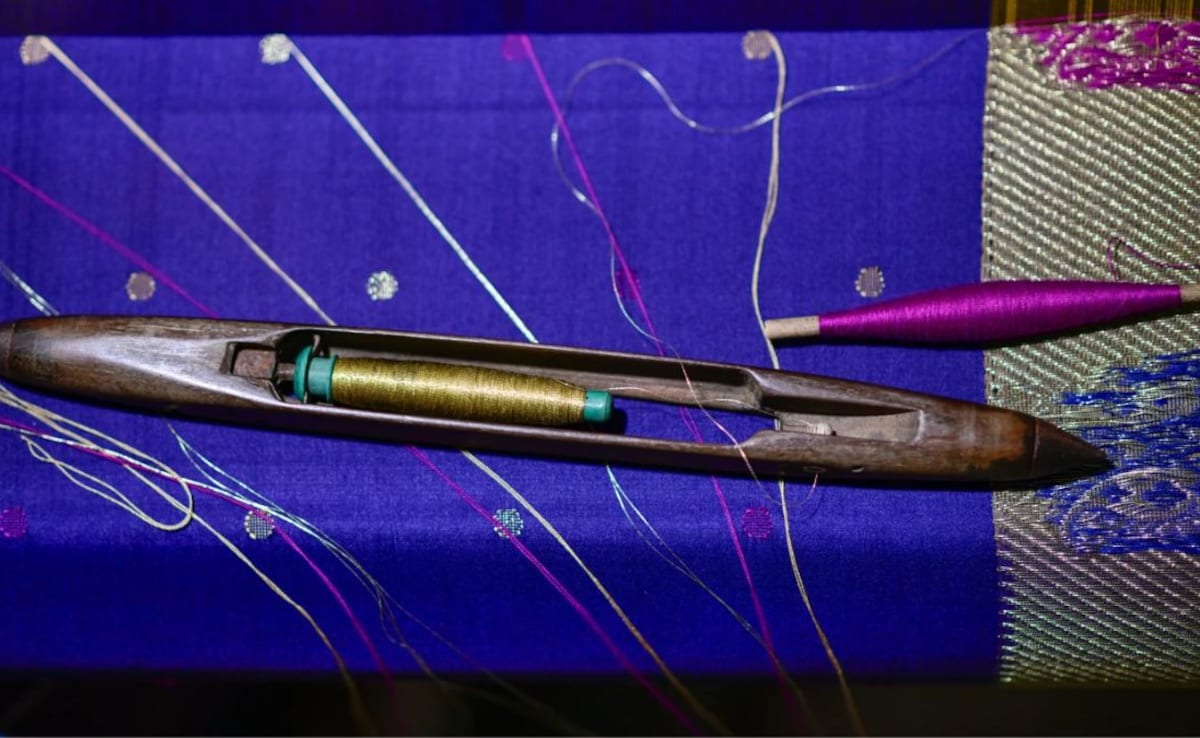
In Bangladesh, there are skilled weavers who make beautiful sarees called Tangail sarees.
These sarees are very special and are worn during important festivals and weddings.
The weavers want the United Nations to recognize their craft as an important part of world culture.
This is because they want to keep their tradition alive and teach it to future generations.
However, it's becoming harder for them because the materials they need are getting more expensive, and cheaper machine-made sarees are also available.
The weavers hope that if their craft is recognized, more people will appreciate and support their work.

Bangladeshi weavers are seeking UNESCO Intangible Cultural Heritage status for their traditional Tangail saree weaving craft.
The Tangail saree is a cultural symbol of Bangladesh, worn during festivals and weddings.
The craft involves intricate designs and motifs, with men weaving and women spinning threads.
The community faces challenges from rising raw material costs and competition from cheaper machine-woven drapes.
Weavers hope UNESCO recognition will help preserve their craft and support the livelihood of weaver families.
- Who
- Bangladeshi weavers in the Tangail district
- What
- Seeking UNESCO Intangible Cultural Heritage status for their traditional saree weaving craft
- When
- Nominated this year
- Where
- Near Dhaka, Bangladesh
- Why
- To preserve their craft and cultural heritage, and to support the livelihood of weaver families
- Craft
- Tangail Saree Weaving
- Location
- Near Dhaka, Bangladesh
- Nomination
- UNESCO Intangible Cultural Heritage
- Materials
- Silk and Cotton Threads
- Cultural Significance
- Symbol of Bangladesh, used in festivals and weddings
- Challenges
- Rising raw material costs, competition from machine-woven drapes
- Livelihood
- Provides income for hundreds of weaver families