

Archive · 29 Sep 2025
Stevens-Johnson Syndrome: Recognizing the Deadly Rash
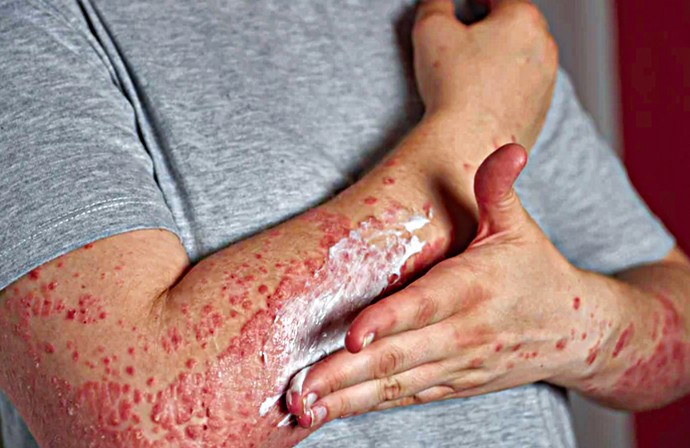
Imagine your body has a bad reaction to some medicine, like a super strong allergic reaction.
This is what Stevens-Johnson Syndrome (SJS) is like.
It starts with a rash, but quickly turns into blisters and sores.
The problem is, doctors and patients don't always recognize it early.
This makes it dangerous because it can lead to serious health problems.
Doctors need to learn more about it, and patients need to know what to watch out for.
The quicker the problem is spotted, the better the chance of getting help and getting better!

Stevens-Johnson Syndrome (SJS) is a severe reaction that can be triggered by common medications.
Initial symptoms include a rash and fever, which can escalate into widespread blistering and sores.
Early recognition is crucial for effective treatment and preventing life-threatening complications.
Gaps in medical education and poor patient communication contribute to delayed diagnosis.
Increased awareness and vigilance from both patients and providers can improve outcomes.
- Who
- Patients and healthcare providers
- What
- Stevens-Johnson Syndrome (SJS), a severe reaction often triggered by medication.
- When
- Early detection is crucial to prevent severe complications.
- Where
- Healthcare settings and in the general public.
- Why
- Lack of awareness, inadequate medical education, and poor patient communication contribute to delayed diagnosis and treatment.
- Condition
- Stevens-Johnson Syndrome (SJS)
- Initial Symptoms
- Rash, red blotches, mild fever
- Severe Symptoms
- Widespread blistering, painful sores, multi-organ damage
- Common Triggers
- Medications, including antibiotics and pain relievers
- Key to survival
- Early recognition and prompt treatment