1 week ago
West Bengal’s 72-Hour Doctor Practice Restriction Sparks Protests

West Bengal has created a new rule for doctors who work in government medical institutions.
When a patient is admitted on a doctor’s designated admission day, that doctor cannot work privately that day.
The doctor also cannot do private work for the next two days.
This makes a total restriction of 72 hours.
The government says this will help doctors stay nearby and care for admitted patients more closely.
Some doctors are protesting because the rule could remove many of their private-practice days.
Doctors with two admission days each week could be affected for most of the week.
Some patients and healthcare representatives think the rule could improve government hospitals.
Critics want the order withdrawn or clarified and say doctors’ working conditions should also improve.

West Bengal barred government medical faculty and doctors from private practice on patient admission days and for the following 48 hours.
The immediately effective order aims to keep treating doctors available and improve continuity of care for government-hospital patients.
Doctors with two weekly admission days could face restrictions covering most of their working week.
Medical associations called the directive arbitrary, legally unsustainable and harmful to doctors’ professional rights.
Some patients and healthcare representatives supported the goal, while critics demanded clearer rules, better facilities and withdrawal of the order.
- Who
- Faculty members and doctors at West Bengal government medical institutions, including those serving under the West Bengal Medical Education Service; medical associations are opposing the order.
- What
- A mandatory 72-hour restriction on private practice beginning on a patient’s admission day and lasting for the following 48 hours.
- Where
- West Bengal, including government hospitals and medical colleges.
- When
- The order took immediate effect and was published on August 25, 2026.
- Why
- The West Bengal Health and Family Welfare Department says the restriction is intended to ensure closer monitoring, doctor availability and continuity of care for admitted patients.
Supporters and Government Rationale
Doctors’ Associations and Critics
Continuity of care
Supporters and Government Rationale
The Health and Family Welfare Department says the restriction will ensure that treating faculty remain available for closer monitoring and continued care after admission. Some patients welcomed the move.
Doctors’ Associations and Critics
Doctors agree that patient care matters but argue that the directive is impractical and could disrupt patients already receiving private treatment.
Impact on private practice
Supporters and Government Rationale
Supporters see the reduction in private-practice days as necessary to prioritise patients admitted to government hospitals.
Doctors’ Associations and Critics
The Association of Health Service Doctors, West Bengal says the measure is draconian, discriminatory and potentially legally unsustainable; doctors with two admission days could face an effective blanket restriction.
Implementation and working conditions
Supporters and Government Rationale
The government is using existing service rules to regulate practice in the public interest.
Doctors’ Associations and Critics
Critics say the order does not explain how it will apply to doctors without admission days or address inadequate salaries, housing, transport and other facilities. They also oppose any coercive recovery of Non-Practicing Pay.
Key facts
- Restriction period
- The patient’s admission day plus the next 48 hours, totaling 72 hours.
- Effective status
- The directive took effect immediately.
- Affected institutions
- Government medical institutions, including government medical colleges and hospitals.
- Stated rationale
- To provide closer monitoring and continuity of care by keeping treating faculty and doctors available.
- Regulatory basis
- The notification cited the West Bengal Medical Education Service Rules of 2006 and public-interest provisions concerning practice privileges.
- Potential weekly impact
- Doctors with two designated admission days could be barred from private practice for most of the working week.
- Main demands from opponents
- The Association of Health Service Doctors, West Bengal called for withdrawal of the restriction, clarification of its provisions and an opportunity for voluntary retirement.
- Operational concerns
- Questions were raised about doctors without designated admission days, including radiologists, dermatologists and anaesthetists, as well as facilities, salaries, housing and transport.
Quotes
West Bengal Health and Family Welfare Department
State department issuing the private-practice restriction
“This step taken by the government, in a way, if we talk about the government healthcare system, is a welcome step to strengthen it. But at the same time, the facilities for doctors, the government doctors, should be improved further”
 indianexpress.com
“closer and more intense monitoring of patients is necessary to be performed by the faculty and doctors on the respective admission days and continued for a further duration of 48 hours thereafter”
indianexpress.com
Sources

Related news

Bengal Health Minister Proposes 72-Hour Private Surgery Restriction in Bardhaman

Maharashtra Resident Doctors Launch Indefinite Strike over Homoeopathy Registration

Maharashtra government urges resident doctors to end strike

BMC Resident Doctors Withdraw Routine Services as Protest Intensifies
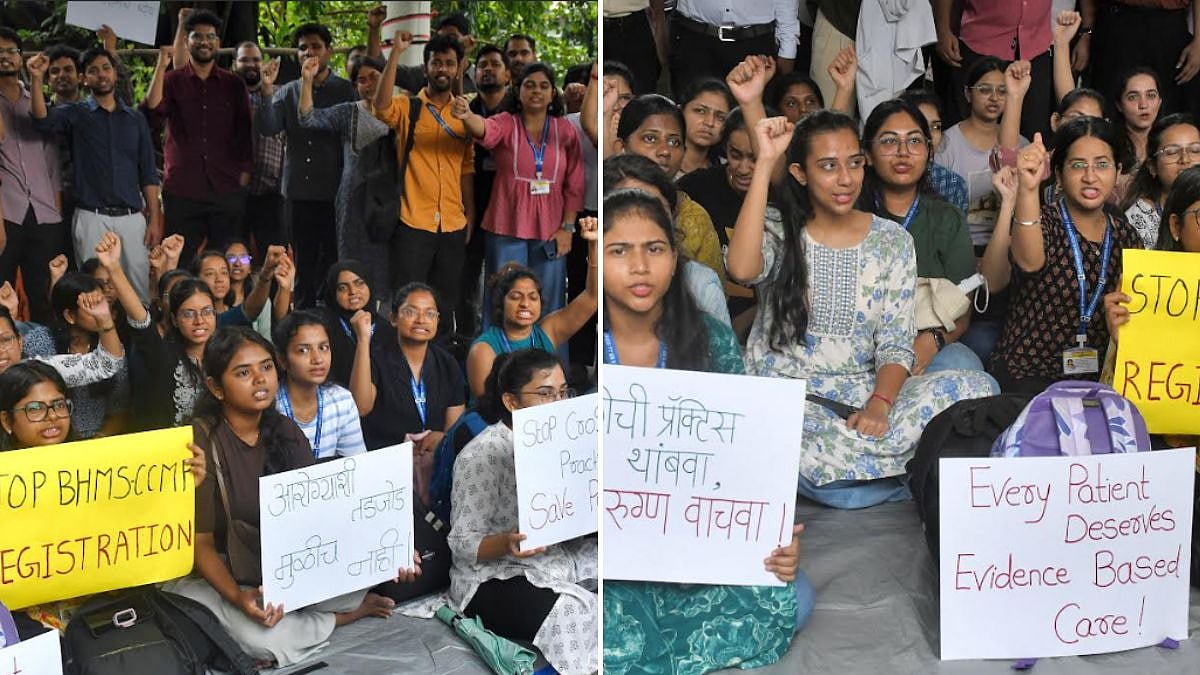
Maharashtra Resident Doctors' Strike Halts OPDs in Mumbai Hospitals
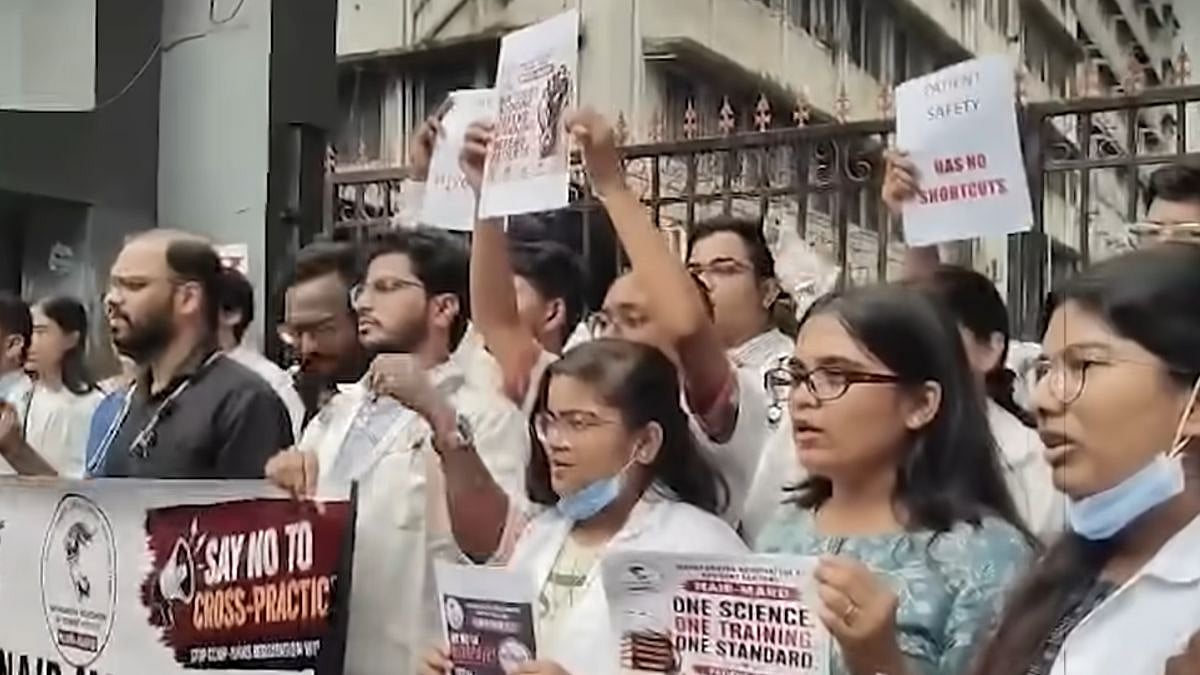
Bombay High Court orders Maharashtra doctors to call off strike

West Bengal Orders House-to-House Dengue Checks and Free Testing

West Bengal Sets September Delimitation Deadline for Municipal Polls
TMC Factions Turn West Bengal Assembly Gate Into Battleground
West Bengal SEC Orders Six Districts Ready Before Durga Puja
West Bengal Plans Grand Mahalaya Event, Inviting Modi and Shah