Archive · 25 Oct 2025
Super-Earth GJ 251 c: A Promising Habitable Exoplanet
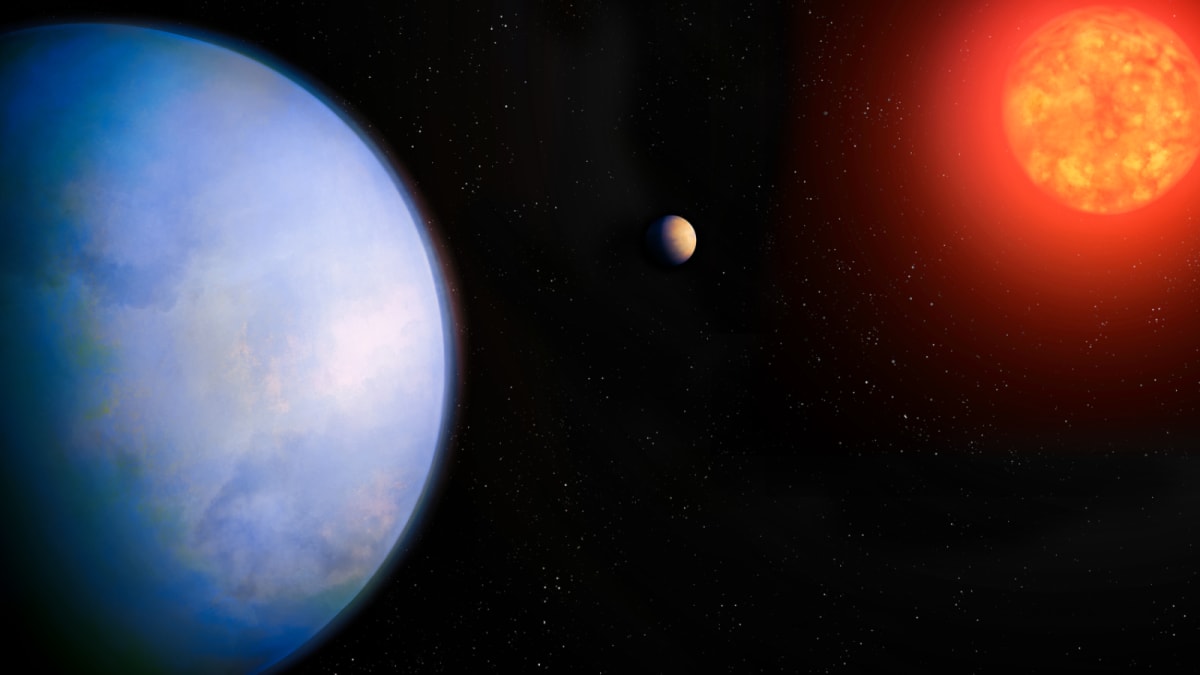
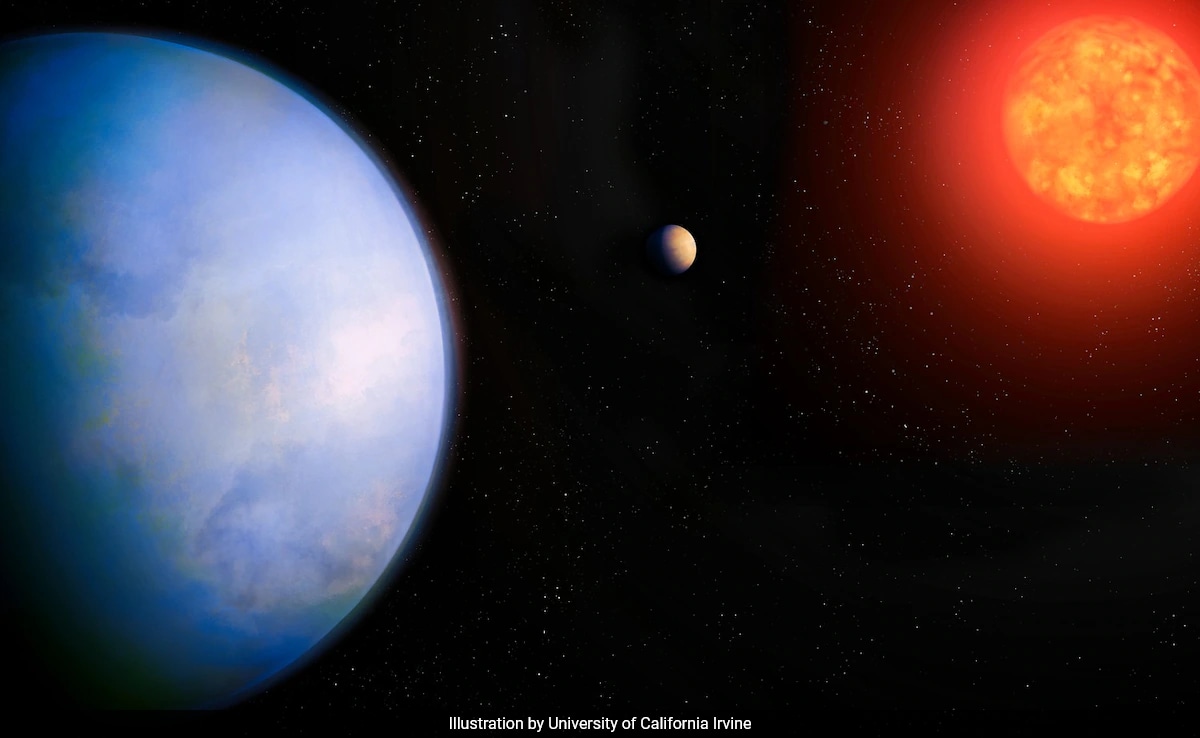
Scientists have found a planet called GJ 251 c, which is about four times bigger than Earth and likely made of rock.
This "super-Earth" is in an area around its star where the temperature could allow liquid water to exist if it has an atmosphere.
Finding planets like this is exciting because it helps scientists look for life elsewhere.
They use special instruments to spot tiny changes in starlight, which help them find these planets.
Because it's relatively close, GJ 251 c offers a good chance for future studies using new telescopes to look for signs of life.

Scientists discovered a "super-Earth" named GJ 251 c.
The exoplanet is located less than 20 light-years away from Earth.
GJ 251 c is likely rocky and about four times more massive than Earth.
The planet is in the habitable zone of its star, where liquid water could exist.
The discovery was made using instruments like the Habitable-Zone Planet Finder (HPF).
- Who
- An international team of scientists.
- What
- Identified a potential "super-Earth" exoplanet.
- When
- The discovery was announced in a paper published the week of October 25, 2025.
- Where
- Located less than 20 light-years away from Earth, in the constellation Gemini.
- Why
- To search for Earth-like planets that could potentially support life.
- Exoplanet Name
- GJ 251 c
- Distance from Earth
- Less than 20 light-years
- Mass
- About four times Earth's mass
- Composition
- Likely rocky
- Location
- Habitable Zone of host star
- Discovery Method
- Habitable-Zone Planet Finder (HPF)