

Archive · 20 Jan 2026
New Caecilian Species Discovered in Western Ghats
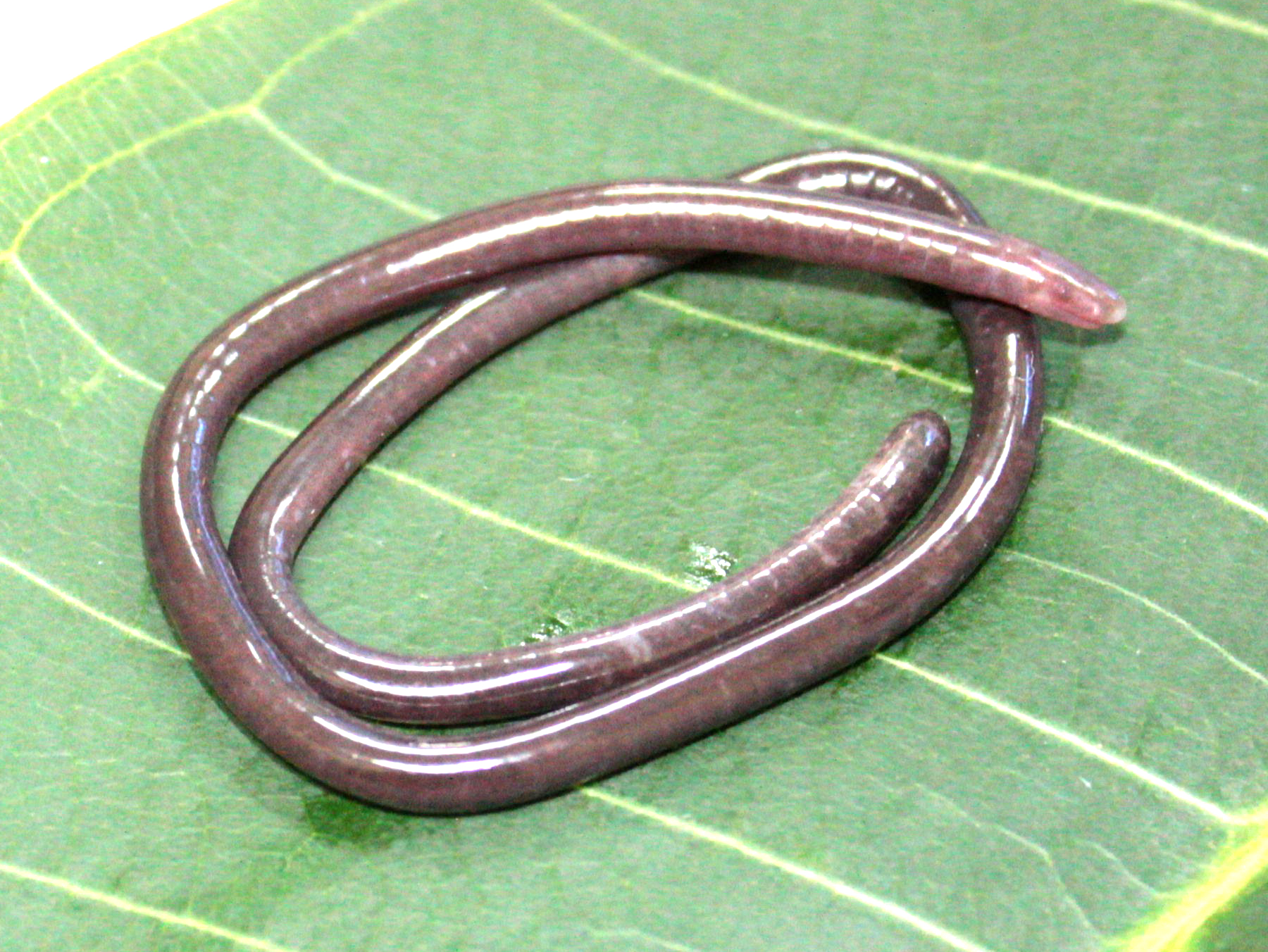
Scientists have found a new kind of worm-like amphibian called a caecilian in the Western Ghats of Maharashtra.
This new species is named Gegeneophis valmiki after a nearby temple.
Caecilians live underground and are hard to find because they don't make sounds like frogs.
The discovery is important because it helps scientists understand and protect these hidden animals.
The Western Ghats are home to many unique caecilians, and this find shows that there is still much to learn about these creatures.
The scientists hope that by studying and naming these species, they can help protect them from disappearing.

A new species of caecilian, Gegeneophis valmiki, was discovered in the Western Ghats of Maharashtra.
The species was named after the Maharshi Valmiki Mandir located on the Valmiki Plateau.
The discovery was made by a team of scientists from the Zoological Survey of India and other institutions.
Caecilians are limbless, subterranean amphibians that are difficult to find due to their silent nature.
The discovery is significant for conservation efforts, as it helps prevent the extinction of these elusive species.
- Who
- Scientists from the Zoological Survey of India and other institutions
- What
- Discovered a new species of caecilian, Gegeneophis valmiki
- When
- First collected in 2017, published recently
- Where
- Valmiki Plateau, Satara district, Maharashtra, Western Ghats
- Why
- To document and conserve the hidden biodiversity of the region
- Species Name
- Gegeneophis valmiki
- Discovery Location
- Valmiki Plateau, Satara district, Maharashtra
- Discovery Year
- 2017
- Journal
- Phyllomedusa
- Research Team
- K. P. Dinesh, Sahil Shikalgar, Pranjal Adhav, Bapurao Vishnu Jadhav, Nirmal U. Kulkarni
- Caecilian Benefits
- Aerate soil, enhance soil structure, feed on soil invertebrates
- Threat Status
- 41% of world's amphibians threatened with extinction
- Last Discovery
- No new species of Gegeneophis in the past ten years