

Archive · 26 Jul 2026
US Imposes 10% Tariff on Indian Imports
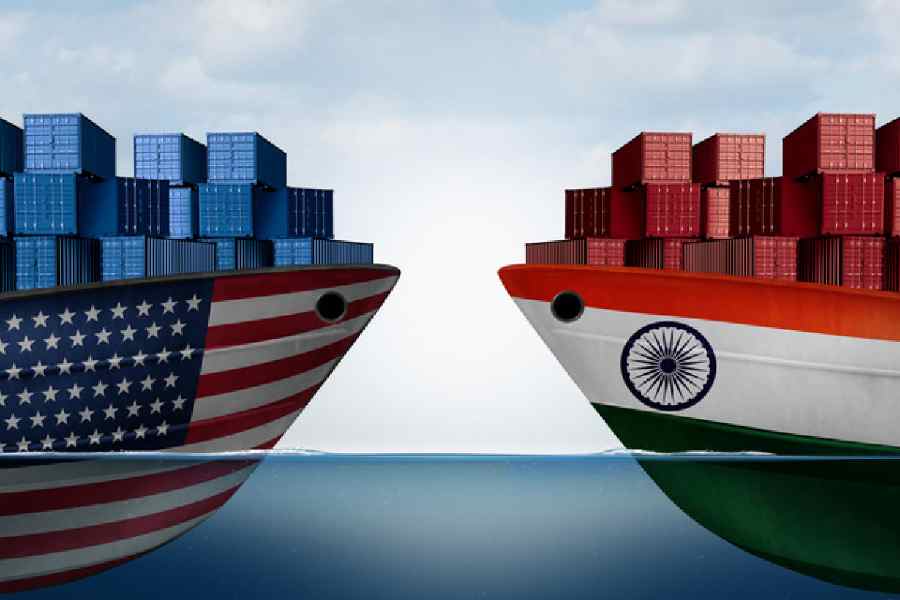
The United States has decided to put a 10% extra tax on some things it buys from India.
This is because the US thinks some of these things might be made using forced labor.
India talked to the US and managed to get a lower tax rate than what was first suggested.
Important things like medicines and phones from India won't have this extra tax.
This means India's exports to the US will still do well in key areas.

The US imposed a 10% tariff on Indian imports under Section 301 measures.
India successfully negotiated a lower tariff rate from the initially proposed 12.5%.
Key Indian exports like generic pharmaceuticals and smartphones remain exempt from the additional 10% duty.
The tariffs are aimed at addressing alleged forced labor concerns in India.
India engaged with the USTR through detailed submissions and consultations during the investigation.
- Who
- India and the United States
- What
- US imposed a 10% tariff on Indian imports under Section 301 measures
- When
- July 23
- Where
- United States and India
- Why
- To address alleged forced labor concerns in India
India's Perspective
US Perspective
Tariff Rate
India's Perspective
India successfully negotiated a lower tariff rate of 10% instead of the initially proposed 12.5%.
US Perspective
The US imposed a 10% tariff on Indian imports to address alleged forced labor concerns.
Impact on Exports
India's Perspective
India's key export sectors like generic pharmaceuticals and smartphones remain outside the scope of the additional 10% duty.
US Perspective
The US aims to ensure that goods produced with forced labor are not imported, protecting American workers and industries.
- Tariff Rate
- 10%
- Initial Proposed Tariff
- 12.5%
- Date of Announcement
- July 23
- US Trade Act
- Section 301 of the US Trade Act, 1974
- Key Exempted Exports
- Generic pharmaceuticals, smartphones, steel, aluminium, auto parts
